
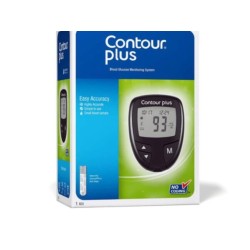
Contour Plus Meter Glucometer — available at DiabetesStore.com.bd
Life in Bangladesh is full of delicious food at every corner — from roadside chanachur and jhalmuri to sweet mishti and samosas fresh out of the oil. For people managing diabetes, this food-rich environment can feel both exciting and a little overwhelming. The good news? Smart snacking is absolutely possible, and it does not mean giving up flavour or fun.
This guide shares practical, everyday snack ideas that fit Bangladeshi tastes, budgets, and lifestyles — all while helping you keep your blood sugar levels more stable throughout the day.
Why Snacking Matters for People with Diabetes
The Blood Sugar Roller Coaster
When meals are skipped or spaced too far apart, blood sugar levels can drop lower than comfortable — a feeling often described as shakiness, tiredness, or difficulty concentrating. On the other hand, eating a large amount of carbohydrates all at once can cause blood sugar to spike quickly. Both extremes can be hard on the body over time.
Snacking — done thoughtfully — helps to smooth out this roller coaster. Eating smaller amounts more regularly keeps energy steadier and reduces the urge to overeat at main meals.
How Smart Snacks Help
A smart snack for someone with diabetes is one that:
- Contains a mix of protein, healthy fat, or fibre — nutrients that slow the release of sugar into the blood
- Is relatively low in added sugar and refined carbohydrates
- Comes in a sensible portion size
- Fits comfortably into your total daily eating plan
Your doctor or dietitian is the best person to advise on how many snacks per day suit your individual needs.
Common Snacking Pitfalls in Bangladesh
High-Sugar Street Foods to Watch
Bangladesh has a wonderful street food culture, but some popular snacks can cause rapid blood sugar spikes. Items to enjoy mindfully — rather than daily — include:
- Mishti (sweets) such as rasgolla, sandesh, or cham cham — high in refined sugar
- Fried snacks like singara, samosa, and pakora — high in refined carbohydrates and unhealthy fats
- Sweetened drinks including canned juices, bottled sherbet, and sugary lassi
- White bread and biscuits — often made with refined flour and added sugar
- Chanachur and flavoured chips — often high in salt and simple starch
This does not mean these foods are completely off limits. Portion size and frequency matter most. Enjoying a very small amount occasionally, as part of a balanced plan, is very different from eating them every day.
Portion Size Awareness
Even healthy foods can affect blood sugar if eaten in large amounts. Using a small plate or bowl, or pre-measuring your snack before eating, makes a big difference. Eating mindfully — slowly, without screens — also helps your body register fullness more accurately.
Diabetes-Friendly Snack Ideas Using Local Foods
Bangladesh has a rich variety of nutritious, affordable foods that make excellent diabetes-friendly snacks. Here are some easy ideas grouped by what they offer:
Protein-Rich Options
Protein slows the digestion of carbohydrates, making blood sugar rise more gradually. Good protein-rich snack ideas include:
- Boiled egg — one of the most affordable and nutritious snacks available anywhere in Bangladesh
- A small handful of roasted chana (boot) — a street market favourite that is high in plant protein and fibre
- Plain yoghurt (doi) without added sugar — pair with a few slices of fruit for balance
- A small portion of leftover dal — lentils are an excellent source of protein and slow-releasing carbohydrate
- Low-fat paneer (chhana) in a small portion — satisfying and protein-dense
Fibre-Packed Choices
Dietary fibre slows sugar absorption and supports digestive health. Try:
- Raw cucumber or carrot sticks — crunchy, refreshing, very low in sugar
- A small bowl of mixed salad with tomato, lettuce, and cucumber, lightly dressed with lemon juice
- Roasted makhana (lotus seeds) — increasingly available in Dhaka and other cities; naturally low in fat and high in fibre
- A small portion of mixed nuts (unsalted) — almonds, walnuts, or peanuts in a small handful
- Guava (peyara) — a local favourite that is high in fibre and has a lower glycaemic impact than many other fruits
Light and Refreshing Picks
Sometimes you just want something light — especially in Bangladesh's warm climate. Good options include:
- A small piece of papaya (pepe) — rich in vitamins and relatively gentle on blood sugar
- A glass of plain coconut water (daab) — naturally hydrating, though keep to one small glass as it does contain natural sugar
- Unsweetened green tea or black tea — warming, hydrating, and free of added sugar
- Sliced amra (hog plum) with a pinch of rock salt — tangy and low in calories
- A small bowl of poha (chira) made with minimal oil and extra vegetables rather than sugar
Reading Food Labels: A Simple Guide
More packaged foods are available in Bangladesh than ever before. Learning to read a food label helps you make better choices quickly. When checking a label, focus on:
- Serving size — all numbers on the label relate to one serving, not the whole packet
- Total carbohydrates — this includes all sugars and starches; lower is usually better for blood sugar control
- Sugar — look for this under the carbohydrates section; aim for snacks with less added sugar
- Fibre — more fibre is helpful; aim for snacks with at least 2–3 g per serving
- Sodium (salt) — people with diabetes are also advised to watch salt intake for heart and kidney health
If a product lists sugar, glucose syrup, or fructose within the first three ingredients, it is likely a high-sugar product.
Tips for Snacking on the Go in Bangladesh
Busy schedules, long commutes, and frequent social gatherings can make healthy snacking tricky. A few practical tips for staying on track:
- Pack snacks from home. A small container of roasted chana or a boiled egg costs very little and keeps you from reaching for high-sugar options.
- Choose water or plain cha (tea without sugar or with minimal sugar) over sweetened drinks when eating out.
- At social events, survey the food table before loading your plate. Pick the fibre and protein options first.
- Keep a light snack in your bag if your meals are often irregular — this helps prevent very low blood sugar between meals.
- Communicate your needs. Friends and family in Bangladesh are generally very supportive — most will happily adjust if you let them know you are watching your diet.
How Monitoring Supports Smart Snacking
One of the most helpful tools for understanding how snacks affect your blood sugar is a blood glucose meter (glucometer). Checking your blood sugar before and about two hours after a snack can give you real, personal information about which foods work well for your body and which ones cause larger rises.
Everyone's body responds slightly differently to the same food — what causes a sharp spike for one person may be fine for another. Regular monitoring, combined with advice from your doctor or dietitian, helps you personalise your snacking plan over time.
A reliable glucometer and fresh glucose test strips are essential tools for anyone managing diabetes at home. Make sure your test strips match your device model, and check the expiry date regularly. Explore our range of blood glucose monitors and accessories to find the right option for your needs.
If you use a diabetes logbook or tracker, noting down what you ate and your readings makes it much easier for your doctor to give you tailored guidance at your next visit.
Keeping a small diabetes care kit — with your glucometer, test strips, and lancets — close at hand makes monitoring easier wherever you are.
Building a Snack Routine That Lasts
Healthy snacking is not about perfect willpower — it is about building small habits that become second nature over time. Start with one or two changes, such as swapping a sugary drink for plain water or replacing biscuits with roasted chana. Once those feel easy, add another small change.
Involve your family where possible. When the whole household shifts towards better snack options, it becomes much easier to stay on track. Children and non-diabetic family members also benefit from eating more whole foods and fewer processed snacks.
Celebrate small wins. Choosing a boiled egg over a samosa on a stressful day is a real achievement worth acknowledging.
Frequently Asked Questions
Q: Can people with diabetes eat fruit as a snack?
A: Yes — many fruits are a healthy choice in moderate portions. Fruits like guava, papaya, amra, and jamun tend to have a lower glycaemic impact. Fruit juices, however, remove the fibre and concentrate the sugar, so whole fruit is generally a better option. Ask your doctor or dietitian for personalised guidance.
Q: Is peanut butter a good snack for diabetics in Bangladesh?
A: Plain, unsweetened peanut butter in a small amount (one teaspoon spread on a wholegrain cracker or rice cake) can be a satisfying, protein-rich snack. Avoid flavoured or sweetened versions. Check the label for added sugar.
Q: How many snacks per day are recommended for someone with diabetes?
A: This varies by individual. Some people manage well with three main meals and no snacks; others benefit from one or two small snacks between meals. Your doctor or registered dietitian is the right person to help you decide what works for your lifestyle and medication routine.
Q: Are rice-based snacks okay for people with diabetes?
A: Plain white rice and refined rice-based snacks (like white puffed rice/muri in large amounts) can raise blood sugar quickly. Smaller portions, or versions combined with protein and vegetables, are a better approach. Brown rice or wholegrain alternatives are preferable where available.
Q: What can I drink as a snack instead of sugary drinks?
A: Plain water is always the best choice. Unsweetened green tea, black tea with minimal milk and no sugar, plain coconut water in small amounts, and homemade lemon water (without added sugar) are all good options popular in Bangladesh.
Q: How do I know if a snack is affecting my blood sugar?
A: Checking your blood glucose with a glucometer about two hours after eating gives you useful data. Keep a simple log of what you ate and your readings. Over time, patterns become clear — and that information is very helpful for your healthcare team too.
Disclaimer: This article is for general information purposes only and does not constitute medical advice. Individual nutritional needs vary. Always consult your doctor, dietitian, or pharmacist before making significant changes to your diet or diabetes management routine.
]]>