
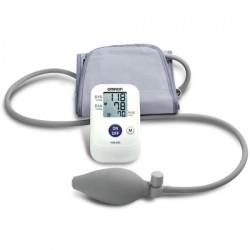
Automatic Blood Pressure Monitor HEM-4030 — available at DiabetesStore.com.bd
Winter in Bangladesh — from roughly November through February — brings welcome relief from the heat. But for people living with diabetes, the cooler months can quietly affect blood pressure in ways that are easy to miss. The good news? A few simple habits go a long way. This guide walks you through what happens in your body during winter, and how you can support healthy blood pressure with straightforward, everyday choices.
Why Winter Affects Blood Pressure in People with Diabetes
How Cold Weather Changes the Body
When temperatures drop, the body naturally tries to stay warm. One way it does this is by narrowing blood vessels — a process called vasoconstriction. Narrower blood vessels mean the heart has to push blood through a tighter space, which can raise blood pressure. This happens in everyone, but if you have diabetes, the effect can be a little stronger because diabetes can already affect the flexibility of blood vessel walls over time.
In Bangladesh, winter temperatures in cities like Dhaka or Chittagong may not feel extreme, but even a mild dip — especially on early mornings when you step outside for Fajr prayer or a morning walk — can trigger this response. Northern districts like Rajshahi and Dinajpur can see temperatures drop further, making the effect more noticeable.
The Diabetes–Blood Pressure Connection
Diabetes and high blood pressure (hypertension) often walk hand-in-hand. When blood sugar stays elevated over time, it can gradually affect the inner walls of blood vessels, making them stiffer. This means blood pressure may creep up more easily — and in winter, the added effect of cold makes the combination worth paying close attention to.
The encouraging part is that awareness itself is a powerful tool. People who know about this connection are far better placed to spot early changes and take sensible steps — no complicated equipment or expensive programmes needed.
Simple Daily Habits to Support Healthy Blood Pressure This Winter
Keep Warm — Smartly
Staying warm is one of the most direct things you can do to support comfortable blood pressure in winter. Here are some practical ideas suited to Bangladesh:
- Layer up in the mornings. Even in Dhaka, early-morning temperatures between December and January can be surprisingly cool. A light cardigan or shawl over your regular clothing makes a real difference.
- Warm your feet. Feet are often the first to feel cold, and cold feet can trigger wider body responses. Wear proper socks — especially diabetic-friendly socks that are not too tight — to keep circulation comfortable.
- Have a warm drink in the morning. A cup of ginger tea, warm lemon water, or plain warm water helps your body ease into the day without a cold-shock response. Go easy on sugar, of course.
- Avoid stepping outside in the coldest part of the morning for strenuous activity if you can. Mid-morning, when it is a bit warmer, is a gentler time for exercise.
Move a Little Every Day
Physical activity keeps blood vessels flexible and supports healthy circulation. In winter, the temptation to stay bundled up under a quilt (lep) is very real — and understandable! But even gentle movement helps.
- A 20–30 minute walk in the morning sun (around 9–10 am when it is warmer) is ideal.
- Indoor options like light stretching, yoga, or even dancing to your favourite music are great alternatives on cooler days.
- If you have a rooftop (chhat), a gentle walk up there in the midday warmth works well for many Bangladeshis.
Regular movement also helps your body use blood sugar more efficiently, which supports overall diabetes care alongside blood pressure wellness.
Watch What You Eat and Drink
Winter in Bangladesh comes with wonderful seasonal vegetables — and these are your best friends for heart and blood pressure support. Fill your plate with:
- Leafy greens: Spinach (palang shak), mustard greens (shorshe shak), and methi (fenugreek) leaves are in season and widely available at low cost.
- Root vegetables: Carrots, radish (mulo), and sweet potato provide fibre and potassium, which is a mineral linked to comfortable blood pressure.
- Whole grains: Brown rice, oats, or red rice rather than refined white rice when possible.
- Lentils (dal): A staple of the Bangladeshi diet and an excellent source of plant protein and fibre.
Staying hydrated is just as important in winter as in summer. People often feel less thirsty when it is cold, but your body still needs water. Aim for at least 6–8 glasses of plain water a day, spread throughout the day.
Limit Salt and Processed Foods
Salt (sodium) is one of the most well-known factors affecting blood pressure. During winter, people sometimes eat more pickles (achar), salty snacks, and processed foods. It is worth being mindful of this. Try these swaps:
- Use less salt during cooking and avoid adding extra at the table.
- Choose fresh spices and herbs like cumin, coriander, and turmeric to add flavour without salt.
- Limit commercially packaged snacks, instant noodles, and canned foods, which tend to be high in sodium.
Monitoring Blood Pressure at Home in Bangladesh
Home monitoring has become much easier and more affordable in Bangladesh in recent years. A good-quality digital blood pressure monitor (BP machine) allows you to track your readings without visiting a clinic every week. This is especially useful in winter, when readings may shift.
How Often Should You Check?
There is no single "right" answer for everyone — your doctor is the best guide here. As a general approach that many people find helpful:
- Check once in the morning, before breakfast and before any medications.
- Check once in the evening, before dinner.
- Record each reading in a small notebook or a phone note so you can share trends with your doctor.
During winter, if you notice your readings are consistently higher than your usual range, let your doctor know. Do not adjust any medications on your own.
Getting the Most Accurate Reading
A few small habits make your home readings much more reliable:
- Sit quietly for 5 minutes before measuring.
- Keep your arm at heart level, resting on a table.
- Avoid tea, coffee, or smoking for at least 30 minutes before checking.
- Take the reading twice, one minute apart, and record both.
- Use the correct cuff size for your arm — a too-small or too-large cuff gives inaccurate results.
You can find reliable blood pressure monitors at Diabetes Store, along with helpful guidance on choosing the right model for home use.
When to Talk to Your Doctor
Home monitoring is a great support tool, but it is not a replacement for professional care. Reach out to your doctor or pharmacist if:
- Your readings are consistently much higher or lower than your usual range.
- You feel dizzy, have a headache, or notice blurry vision.
- You are feeling unusually tired or short of breath.
- You are unsure whether your blood pressure machine is reading correctly.
Your pharmacist at a licensed pharmacy can also be a great first point of contact for quick questions about home monitoring.
Building a Winter Wellness Routine
Small, consistent habits add up more than any single big change. Here is a simple winter day routine that many people with diabetes in Bangladesh find manageable:
- Morning: Wake up, drink a glass of warm water. Layer up before stepping out. Take your blood pressure reading. Have a light, low-salt breakfast with seasonal vegetables or eggs.
- Mid-morning: Take a 20–30 minute walk in the warmer sunlight. This also supports vitamin D levels, which tend to dip in winter.
- Daytime: Keep sipping water. Choose a balanced lunch with dal, vegetables, and a smaller portion of rice.
- Evening: Take your second blood pressure reading. Have a light dinner at least 2 hours before sleep. Avoid salty snacks.
- Night: Keep your feet warm with comfortable socks. Aim for 7–8 hours of sleep. A regular sleep schedule supports both blood pressure and blood sugar.
For those who are also monitoring blood sugar at home, pairing your glucose checks with your blood pressure checks is a smart way to get a fuller picture of your health without adding extra effort. Browse our range of glucometers and blood sugar testing supplies to find options that suit your needs and budget.
If you have been advised to watch your feet carefully — which is common advice for people with diabetes — winter is a particularly good time to wear proper diabetic socks that keep feet warm without restricting circulation.
Frequently Asked Questions
Does cold weather always raise blood pressure?
Cold weather can cause blood pressure to rise in many people because blood vessels narrow to conserve heat. However, the effect varies from person to person. Tracking your readings at home helps you understand your own pattern.
Can I check my blood pressure at home if I have diabetes?
Yes, home monitoring is widely recommended as a helpful habit alongside regular doctor visits. Use a validated digital monitor and follow the correct technique for accurate readings.
What foods should I avoid in winter to support healthy blood pressure?
Try to limit high-salt foods like pickles, packaged snacks, and instant noodles. Also moderate caffeine and alcohol. Focus instead on fresh seasonal vegetables, whole grains, and lentils — all of which are affordable and widely available in Bangladesh.
Is it safe to exercise outdoors in winter with diabetes?
Gentle outdoor exercise is generally beneficial. Choose warmer parts of the day (mid-morning), dress in layers, and stay hydrated. If you have any specific concerns, check with your doctor first.
How does keeping feet warm help blood pressure?
Cold feet can trigger a reflex that narrows blood vessels throughout the body, which may nudge blood pressure upward. Keeping feet warm with appropriate socks helps your whole circulatory system stay more relaxed.
Should I buy a blood pressure monitor for home use?
Many people with diabetes find a home BP monitor very useful for tracking trends between doctor visits. Look for a validated digital arm-cuff model with the correct cuff size for your arm. Your pharmacist can help you choose a suitable one.
Disclaimer: This article is for general information purposes only and does not constitute medical advice. Individual health needs vary. Please consult your doctor, specialist, or licensed pharmacist before making any changes to your health routine or care plan.
]]>