
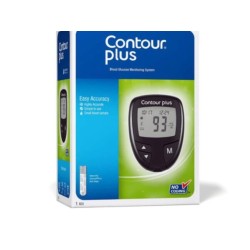
Contour Plus Meter Glucometer — available at DiabetesStore.com.bd
When you or someone you love is managing diabetes, a lot of attention goes to what you eat — rice portions, sweet fruits, sugary drinks. But one thing that often gets overlooked is the oil in the pan. The type and amount of cooking oil you use every single day can quietly affect your heart health, your weight, and how your body handles blood sugar over time.
The good news? You do not need to give up the flavours you love. You just need to know which oils are friendlier to your body and how to use them wisely. In this guide, we break it all down in plain language, using oils you can actually find in Bangladesh.
Why Does Cooking Oil Matter for People with Diabetes?
People with diabetes already have a higher chance of developing heart disease compared to the general population. The type of fat you eat every day plays a role in managing cholesterol levels and supporting heart health — both of which matter enormously when you have diabetes.
Oils are pure fat, and not all fats behave the same way in your body. Some fats can raise "bad" LDL cholesterol, which is not good for your arteries. Others contain fats that may support healthier cholesterol levels when used in the right amounts. Understanding the difference helps you make better choices at the kitchen stove every day.
The Link Between Dietary Fat, Blood Sugar, and Heart Health
Fat does not directly raise blood sugar the way carbohydrates do. However, eating a lot of saturated and trans fats — the kinds found in some oils and many fried foods — can make it harder for your body to use insulin effectively over time. This is why the quality of fat in your diet matters, not just the quantity of carbohydrates.
Choosing oils that are rich in monounsaturated and polyunsaturated fats, and low in saturated fats, is generally considered a more heart-friendly approach. Your doctor or dietitian can help you figure out the right amounts for your personal health plan.
Common Cooking Oils in Bangladesh — What You Need to Know
Let us look at the oils that are most commonly used in Bangladeshi kitchens and what makes each one worth knowing about.
Mustard Oil
Mustard oil (sarisher tel) is a staple in Bangladeshi and Bengali cooking. It has a strong flavour and a high smoke point, which means it can handle the high heat of bhuna and tarka cooking.
Mustard oil contains a good amount of monounsaturated fatty acids (MUFA) and omega-3 fatty acids, which are generally considered heart-friendly fats. It also contains erucic acid, and while debate around this has existed, mustard oil used in traditional quantities as part of a balanced diet is still widely consumed across South Asia.
The key is moderation. Using a small amount for flavour rather than deep-frying in it is a practical approach for people with diabetes.
Soybean Oil
Soybean oil is extremely popular in Bangladesh because it is affordable and widely available. It is a polyunsaturated fat source, which is better than saturated fat. However, it is high in omega-6 fatty acids, and most people in Bangladesh already get plenty of omega-6 from their diets.
Soybean oil is fine to use in reasonable amounts, but try not to use it for deep frying repeatedly, as reheating it multiple times can degrade its quality.
Rice Bran Oil
Rice bran oil is gaining popularity in Bangladesh and is now available in many supermarkets. It has a good balance of monounsaturated and polyunsaturated fats and a high smoke point, making it suitable for stir-frying and everyday cooking.
It contains a natural compound called oryzanol, which has been studied for its potential role in supporting healthy cholesterol levels. Rice bran oil is often recommended by nutritionists as a good everyday oil for people who are watching their heart health.
Sunflower Oil
Sunflower oil is light, mild in flavour, and has a high smoke point. It is mostly polyunsaturated fat (omega-6). Like soybean oil, it is a reasonable choice when used in moderate amounts, but it is not as nutritionally rich as mustard oil or rice bran oil.
If you use sunflower oil regularly, try to pair it with foods that contain omega-3 fats — like small fish (choto mach), which are plentiful and affordable in Bangladesh — to keep a better fat balance in your diet.
Olive Oil
Olive oil is widely known for its heart-healthy profile. Extra virgin olive oil is rich in monounsaturated fats and natural antioxidants. Research has long associated olive oil-rich diets with better heart health outcomes.
The challenge in Bangladesh is cost and availability — imported olive oil can be expensive. If you can afford it, using a small drizzle of extra virgin olive oil on salads or in low-heat cooking is a lovely addition to your kitchen. It is not practical for high-heat cooking like deep frying, as its smoke point is lower than mustard or rice bran oil.
Coconut Oil
Coconut oil has been trendy globally, but it is worth being careful here. Coconut oil is very high in saturated fat — higher than most other plant oils. While some argue that the type of saturated fat in coconut oil behaves differently in the body, most mainstream nutrition guidelines still recommend limiting saturated fat intake, especially for people with diabetes who already have a higher heart-disease risk.
Use coconut oil sparingly, mostly for flavour when a recipe truly calls for it, rather than as your main everyday cooking oil.
Simple Tips for Using Oil More Wisely Every Day
Choosing a good oil is only half the story. How you use it matters just as much.
Measure Your Oil Instead of Pouring Freely
In most Bangladeshi kitchens, oil is poured straight from the bottle with no measurement. It is easy to use far more than you intended this way. Try using a tablespoon to measure your oil before adding it to the pan. This one small habit can significantly reduce how much fat goes into your food over time.
Choose the Right Oil for the Right Cooking Method
Different cooking methods need different oils:
- High-heat cooking (bhuna, stir-frying): Mustard oil, rice bran oil, or sunflower oil — all have high smoke points and handle heat well.
- Light sautéing or steaming: Almost any oil works here, including olive oil.
- Salad dressings or finishing drizzles: Extra virgin olive oil is excellent for this purpose.
- Baking: Rice bran oil or sunflower oil work well.
Avoid Reusing or Overheating Oil
Reusing oil that has already been heated to high temperatures — especially for deep frying — is very common in Bangladesh but is something to avoid. When oil is repeatedly heated, it breaks down and forms harmful compounds. If you do fry occasionally, use fresh oil and dispose of the used oil rather than reheating it.
Also avoid heating oil until it smokes visibly. A smoking oil has already started to degrade and may irritate your lungs and add unwanted compounds to your food.
Other Everyday Habits That Support Healthy Cooking
Switching to a better oil is a great first step, but a few other habits can make your kitchen even more diabetes-friendly:
- Steam or boil more often. Steaming vegetables and fish preserves nutrients and uses no oil at all.
- Use a non-stick or cast-iron pan. These pans require much less oil than older aluminium pans, so you can cook with a lighter touch.
- Add flavour without fat. Garlic, ginger, turmeric, cumin, coriander, and other spices common in Bangladeshi cooking add wonderful depth of flavour without adding calories or unhealthy fat.
- Eat more small fish (choto mach). Small fish like shol, puti, and mola are naturally rich in omega-3 fatty acids and are an affordable, locally available source of heart-healthy nutrition.
- Balance your plate. Even the healthiest oil cannot fix an unbalanced meal. Aim for half your plate to be vegetables, a quarter lean protein, and a quarter wholegrains or lower-GI carbohydrates.
Tracking Your Progress: Why Monitoring Still Matters
Making changes to your cooking habits is a positive step, but it is hard to know whether those changes are working without keeping track. Regular blood sugar monitoring at home helps you understand how your body responds to different meals and cooking habits over time.
Keeping a simple food diary alongside your blood sugar readings can reveal patterns — for example, whether meals cooked with certain oils or methods lead to different readings after eating. Share these patterns with your doctor or diabetes care team so they can give you personalised guidance.
If you are looking for reliable tools to monitor your blood sugar at home, explore our range of glucometers and blood glucose monitors to find one that suits your needs and budget. You may also want to check our selection of glucose test strips to keep your monitoring routine consistent and cost-effective. For those looking to support a broader healthy lifestyle alongside dietary changes, browse our diabetes wellness supplements section for options recommended by healthcare professionals.
Frequently Asked Questions
Q: Is mustard oil safe for people with diabetes in Bangladesh?
A: Mustard oil is one of the most traditional cooking oils in Bangladesh and contains beneficial monounsaturated fats. Using it in moderate amounts as part of a balanced diet is generally considered acceptable. Avoid deep frying with large quantities of any oil. Always discuss your diet with your doctor or dietitian.
Q: Which oil is the best for everyday cooking if I have diabetes?
A: There is no single "best" oil for everyone. Rice bran oil and mustard oil are both widely available in Bangladesh and have a reasonable fat profile for everyday cooking. The most important thing is to use any oil in moderate amounts and avoid excessive frying. Your dietitian can give personalised advice based on your health needs.
Q: Can I use olive oil in Bangladeshi cooking?
A: Yes, but olive oil — especially extra virgin — is best for low-heat cooking or salad dressings rather than high-heat methods like bhuna. It is more expensive and less heat-stable than mustard or rice bran oil, so it is more of a finishing or salad oil in a Bangladeshi kitchen context.
Q: How much oil should a person with diabetes use per day?
A: There is no one-size-fits-all answer, as needs vary by individual. A registered dietitian or your diabetes care team can recommend the right amount based on your weight, activity level, and overall health goals. Generally, being mindful and measuring oil rather than free-pouring is a good place to start.
Q: Does changing cooking oil alone help manage blood sugar?
A: Changing cooking oil is one piece of a larger puzzle. It can support better heart health and overall nutrition, but blood sugar management involves your total diet, physical activity, medication (if prescribed), and regular monitoring. No single food or oil manages blood sugar on its own.
Disclaimer: This article is for general information purposes only and does not constitute medical advice. Every person's health needs are different. Please consult your doctor, dietitian, or pharmacist before making changes to your diet or diabetes care routine.
]]>