
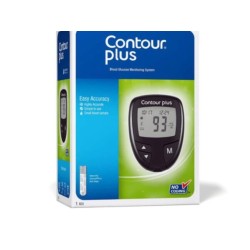
Contour Plus Meter Glucometer — available at DiabetesStore.com.bd
Water is something we reach for every day without thinking much about it. But if you are living with diabetes, staying well-hydrated is one of the simplest — and most overlooked — parts of good self-care. Whether you are managing type 1 or type 2 diabetes, the connection between what you drink and how your blood sugar behaves is closer than most people realise.
In a country like Bangladesh — where temperatures can climb sharply, monsoon humidity drains energy, and the cool dry months bring their own challenges — getting your daily fluids right matters all year round. This guide breaks it all down in plain, practical terms.
Why Hydration Matters for People with Diabetes
Your kidneys work hard every day to filter your blood and remove waste through urine. When blood sugar runs high, the kidneys work even harder, pulling extra water from your body to flush out excess glucose. This is why dehydration can happen more quickly for people with diabetes — and why keeping up with fluids is so important.
The Link Between Dehydration and Blood Sugar Levels
When the body does not have enough water, blood becomes more concentrated. This means glucose in the blood is also more concentrated, which can push blood sugar readings higher. It becomes a cycle: high blood sugar encourages fluid loss, which in turn can make blood sugar harder to manage.
This does not mean drinking extra water will fix high blood sugar on its own — it will not. But staying properly hydrated is a supportive habit that works alongside your regular care routine, healthy eating, physical activity, and your doctor's guidance.
Why People with Diabetes May Feel Thirstier
Feeling very thirsty — known medically as polydipsia — is one of the common signs that blood sugar may be running high. If you notice that you are drinking a lot more water than usual and still feel thirsty, that is worth mentioning to your doctor. It is your body's way of signalling that something needs attention.
How Much Water Do You Actually Need?
A commonly repeated figure is eight glasses (about two litres) of water per day for adults. But the honest answer is: it depends on the person. Your size, activity level, diet, and health conditions all play a role. Rather than counting glasses rigidly, a useful guide is the colour of your urine. Pale yellow is a good sign. Dark yellow or amber suggests you need to drink more.
Adjusting for Bangladesh's Climate and Seasons
Bangladesh's climate puts a real demand on the body's fluid levels throughout the year:
- Hot summer months (March–June): High heat and sweating mean you need more fluids than usual. Start your day with a full glass of water before anything else.
- Monsoon season (June–October): Humidity is high, but you can still lose fluids through sweat even on overcast days. Do not rely on "feeling hot" as your only cue to drink.
- Cool dry months (November–February): The air is drier, and people often feel less thirsty — but your body still needs regular fluids. Thirst is a late signal at any time of year, and in cool weather it can be even less reliable.
During any season, if you are physically active — walking, cycling, doing household work — you will need to replace lost fluids more actively.
Best Drinks for People with Diabetes in Bangladesh
Plain water is always the top choice — it has no calories, no sugar, and no additives. But variety is fine, and some other drinks can fit comfortably into a diabetes-friendly routine:
- Plain water: Tap water that has been boiled and cooled, or filtered water, is ideal and affordable.
- Green tea or black tea (unsweetened): Widely enjoyed in Bangladesh, these are perfectly fine when taken without sugar or with very minimal sweetener. Herbal teas are another option.
- Lemon water: A squeeze of fresh lemon or lime into water adds flavour with virtually no sugar. A very popular and refreshing choice in warm months.
- Coconut water (in moderation): Fresh coconut water (daab) does contain natural sugars, so it is best enjoyed in small amounts and not as a daily large serving. Check with your doctor or dietitian about whether it fits your plan.
- Buttermilk (ghol/lassi — unsweetened): A traditional option that can be hydrating, though sweet versions should be avoided.
Drinks to Limit or Avoid
Some common drinks in Bangladesh deserve caution for people with diabetes:
- Sugary soft drinks and bottled juices: These often contain large amounts of added sugar that can spike blood sugar rapidly. Even drinks marketed as "juice" or "natural" may be heavily sweetened.
- Sweetened tea and coffee: A single cup of tea with two or three teaspoons of sugar, taken multiple times a day, adds up quickly. Gradually reducing the sugar in your cup is a worthwhile goal.
- Energy drinks: These are typically high in sugar and caffeine and are best avoided.
- Alcohol: Alcohol affects blood sugar in unpredictable ways and should only be consumed — if at all — after specific discussion with your doctor.
Practical Hydration Habits You Can Start Today
Knowing you should drink more water and actually doing it are two different things. Here are some habits that work in real life:
Hydration at Work, Home, and on the Go
- Keep a water bottle visible. Whether you are at a desk, in a shop, or at home, having water in sight is one of the easiest ways to remember to drink it.
- Drink a glass of water before each meal. This is a simple routine that helps with hydration and may also help you avoid overeating.
- Set gentle reminders. A phone alarm every couple of hours can prompt you until drinking regularly becomes second nature.
- Flavour your water naturally. Add a few mint leaves, cucumber slices, or a wedge of lemon to make plain water more appealing.
- When travelling or commuting, carry your own water rather than relying on roadside stalls where hygiene may be uncertain.
Signs You May Not Be Drinking Enough
It helps to recognise the signs of mild dehydration early, before they affect how you feel or your blood sugar readings:
- Feeling tired or sluggish without a clear reason
- Headaches, particularly in the afternoon
- Dry mouth or cracked lips
- Dark-coloured urine
- Difficulty concentrating
- Feeling dizzy when you stand up quickly
If any of these are familiar, increasing your water intake gradually over the course of the day (rather than drinking a large amount all at once) is a sensible approach.
Monitoring Blood Sugar and Hydration Together
One of the most empowering things you can do for your diabetes care is to track your blood sugar regularly at home. Keeping an eye on your readings around the times you feel thirsty or notice changes in urination can give you and your doctor useful information.
A reliable glucometer makes home monitoring straightforward and convenient. Paired with glucose test strips compatible with your device, you can build a picture of how your body responds throughout the day — including on days when you may be more active or the weather is particularly hot.
Keeping a simple diary — noting your water intake, meals, and blood sugar readings — can help you spot patterns over time. Share this with your healthcare provider at your next visit for the most useful feedback.
Good hydration also supports kidney function, which is especially relevant for people with diabetes who are monitoring their kidney health alongside blood sugar. If your care team has recommended any specific fluid targets for you — for example, due to kidney-related concerns — always follow that guidance over general advice.
Explore our range of diabetes monitoring accessories to support your daily self-care routine at home.
Frequently Asked Questions
Q: Can drinking more water lower my blood sugar?
A: Drinking water helps the kidneys flush out excess glucose through urine, and staying well-hydrated supports your body's overall balance. However, water alone does not treat or control blood sugar — it works best as part of a broader care routine guided by your doctor.
Q: Is coconut water (daab) safe for people with diabetes?
A: Fresh coconut water does contain natural sugars, so large amounts are not recommended. Small servings on occasion may be fine for some people, but it is best to ask your doctor or dietitian whether it fits your individual meal plan.
Q: How do I know if I am drinking enough water?
A: The colour of your urine is a simple guide — pale yellow generally means you are well-hydrated, while dark yellow suggests you need more fluids. Feeling thirsty is a sign you are already mildly dehydrated, so try not to wait until you feel thirsty before drinking.
Q: Does drinking tea and coffee count towards daily fluid intake?
A: Unsweetened tea and coffee do contribute to your daily fluid intake. However, they also contain caffeine, which has a mild diuretic effect, so plain water should still make up the majority of what you drink.
Q: Is bottled mineral water better than boiled water for people with diabetes?
A: Both are safe options when properly prepared. Boiled and cooled water is a reliable and affordable choice. If choosing bottled water, ensure it is from a reputable brand with a properly sealed cap.
Disclaimer: This article is for general information purposes only and does not constitute medical advice. Individual needs vary. Always consult your doctor, diabetes educator, or pharmacist before making changes to your health routine.
]]>