
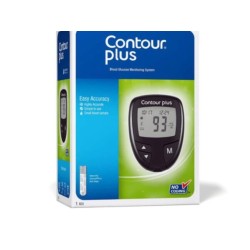
Contour Plus Meter Glucometer — available at DiabetesStore.com.bd
Bangladesh is a country full of wonderful destinations — from the mangrove forests of the Sundarbans to the tea gardens of Sylhet, the ancient mosques of Bagerhat to the sea beach at Cox's Bazar. Whether you are travelling for work, family, or adventure, having diabetes does not mean you have to stay home. With a little extra planning, you can enjoy every journey confidently and comfortably.
This guide shares practical, easy-to-follow tips for managing diabetes while travelling anywhere in Bangladesh. From packing the right supplies to making smart food choices at a roadside dhaba, we have got you covered.
Why Travel Planning Matters for People with Diabetes
Travelling disrupts your normal daily routine. Meal times shift, activity levels change, stress can go up, and sleep patterns are often affected. All of these things can influence your blood sugar levels. A long bus ride from Dhaka to Chittagong, a busy day of sightseeing, or even excitement about a trip can all cause unexpected changes in how your body responds.
The good news is that most of these challenges are very manageable. The key is to think ahead, prepare your supplies, and check your blood sugar more often than you normally would at home.
Building Your Diabetes Travel Kit
Think of your diabetes travel kit as your most important piece of luggage. Before you pack your clothes, make sure this kit is ready.
Essential Supplies to Pack
- Blood glucose meter (glucometer) and extra test strips — Always carry more strips than you think you will need. Running out mid-journey is a common and avoidable problem.
- Lancets and lancing device — Pack at least double the amount you normally use at home.
- Medications — Bring enough for the full trip, plus a few extra days' worth in case of delays. Keep a written list of your medicines in your bag.
- Fast-acting sugar source — Glucose tablets, hard candies, or small juice boxes are ideal for treating low blood sugar quickly.
- Healthy snacks — Dry biscuits, roasted nuts, or whole-grain crackers help bridge long gaps between meals.
- Doctor's letter or prescription copy — A simple note from your doctor listing your condition and medicines can be very helpful at checkpoints or pharmacies.
- Medical ID — A card or bracelet that says you have diabetes can help others assist you if you are ever unwell.
Keeping Medications and Supplies Cool
Bangladesh's climate can be very hot, especially between March and October. Heat can damage blood glucose meters, test strips, and certain medicines. Here are some practical tips:
- Store supplies in an insulated pouch or a small cooler bag — these are easy to find and affordable.
- Never leave your diabetes kit in a parked vehicle in the sun.
- If you are staying at a hotel or guesthouse, ask if there is a small refrigerator available — but remember that most medicines should not be frozen.
- Avoid placing supplies directly next to ice packs without a cloth buffer in between.
For convenient, travel-friendly storage solutions, explore the diabetes accessories collection at Diabetesstore.com.bd to find insulated cases and travel pouches suited for Bangladesh's climate.
Managing Blood Sugar on the Road
Monitoring More Frequently While Travelling
When you are at home, you likely know roughly when your blood sugar tends to rise or fall. Travel throws those patterns off. Plan to check your blood sugar more often — before and after meals, before a long journey, and any time you feel unusual symptoms like shakiness, dizziness, or unusual thirst.
A reliable glucometer from Diabetesstore.com.bd that is compact and easy to use on the go makes this habit much simpler to keep up. Modern meters give accurate readings in seconds, so there is no reason to skip a check just because you are away from home.
Adjusting for Disrupted Routines
Long bus or train journeys, delayed flights, or busy tour schedules can push your meal and medicine times around. A few habits that help:
- Set a gentle alarm on your phone to remind you of medicine or snack times.
- Eat smaller amounts more frequently rather than waiting for one big meal.
- If a meal is going to be very late, have a light snack to avoid a blood sugar dip.
- Always talk to your doctor before travel about any adjustments needed for your specific routine.
Eating Well During Travel in Bangladesh
Food is one of the greatest joys of travelling in Bangladesh — and it can also be one of the biggest challenges for blood sugar management. Fortunately, Bangladesh has plenty of nutritious options if you know what to look for.
Smart Food Choices at Bus Stations, Airports, and Dhabas
- Choose dal and vegetable dishes over heavily fried or sweetened foods. Dal (lentil soup) is filling, protein-rich, and generally lower in simple sugars.
- Go for roti or paratha over white rice when possible — or choose smaller portions of rice paired with more vegetables and protein like fish or egg.
- Avoid sugary drinks like bottled soft drinks, sweetened tea, or sharbat. Opt for plain water, unsweetened green tea, or coconut water (in moderate amounts).
- Be cautious with street sweets — mishti doi, rasgulla, and halwa are delicious but very high in sugar. An occasional small taste is better than skipping all the culture of the trip, but keep portions tiny.
- Ask before you eat — at local restaurants, it is perfectly fine to ask how a dish is prepared. Many cooks are happy to reduce oil or sugar if asked politely.
Staying Hydrated in Bangladesh's Heat
Dehydration can cause blood sugar to rise. In Bangladesh's warm, humid climate — especially outside of winter — staying well-hydrated is very important. Aim to drink clean, safe water throughout the day. If you are unsure about the tap water quality at your destination, carry sealed bottled water or use a reliable water purification method.
Signs that you may be getting dehydrated include a dry mouth, dark-coloured urine, or feeling more tired than usual. If you notice these, increase your water intake right away.
Staying Active and Comfortable on Long Journeys
Sitting still for many hours — like during a long bus or train journey — can affect circulation, especially in the feet and legs. People with diabetes need to pay special attention to foot health.
- Move around when you can — stand up and walk the aisle every hour or two on a bus or train.
- Do simple seated exercises — flex your feet up and down, rotate your ankles, and squeeze your calf muscles every 20–30 minutes.
- Wear comfortable, well-fitting footwear — never travel in new, tight shoes. Consider diabetic-friendly footwear or diabetic socks available at Diabetesstore.com.bd that support circulation without squeezing.
- Inspect your feet each evening — check for any redness, blisters, or sore spots that you may not have felt during the day.
Preparing for Emergencies While Travelling
Even with careful planning, unexpected situations happen. Here is how to prepare for the most common travel emergencies:
- Low blood sugar (hypoglycaemia): Always keep a fast sugar source — glucose tablets, a small juice box, or a few sweets — in your bag or pocket. If you feel shaky, sweaty, confused, or very hungry, treat the low right away and rest before continuing your journey.
- Illness or stomach upset: Traveller's diarrhoea or food-related illness can quickly affect blood sugar. Stay hydrated, eat bland foods if possible, and check your blood sugar more often. Contact a doctor if you feel unwell for more than a day.
- Lost or damaged supplies: Note the name of your glucometer brand and test strip type before travelling — pharmacies in major cities like Dhaka, Chittagong, Sylhet, and Rajshahi usually stock common brands. Ordering supplies from a trusted online pharmacy like Diabetesstore.com.bd before your trip means you can stock up in advance.
- Share your plan with a travel companion: Tell at least one person travelling with you about your diabetes, where your supplies are kept, and what to do if you seem unwell.
Special Tips for Common Bangladesh Travel Routes
Bangladesh has a range of travel environments, each with its own considerations:
- Dhaka to Cox's Bazar (bus or flight): On the beach, heat and activity levels can both rise sharply. Protect your supplies from the sun, drink plenty of water, and be extra careful about foot hygiene in sandy conditions.
- River journeys (launch/ferry): Meal options on ferries can be limited. Always pack your own snacks and water. Keep supplies out of direct sun and humidity.
- Sundarbans eco-tours: Remote areas have very limited access to pharmacies. Pack double your normal supply of everything, including extra test strips and glucose tablets.
- Sylhet and hill district treks: Higher activity levels and cooler nights can affect blood sugar differently than your usual routine. Monitor frequently and carry extra snacks.
Frequently Asked Questions (FAQ)
Can I travel by air domestically in Bangladesh with my diabetes supplies?
Yes. You can carry your diabetes supplies — including a glucometer, test strips, lancets, and medicines — in your carry-on bag. It is a good idea to keep them in your hand luggage rather than checked baggage so they are always accessible and not exposed to extreme temperatures in the cargo hold. Carry a copy of your prescription or a letter from your doctor in case you are asked about your supplies at security.
How often should I check my blood sugar while travelling?
More often than at home is the general guideline. Many healthcare providers suggest checking before meals, after long periods of sitting, when you feel any unusual symptoms, and before going to sleep. Your doctor can give you personalised advice for your situation.
What if I cannot find my usual test strips at a pharmacy while travelling?
This is one of the best reasons to pack extra supplies before you leave. If you do run out, pharmacies in major cities like Dhaka, Chittagong, and Sylhet carry a range of common brands. You can also order online from Diabetesstore.com.bd in advance to stock up before your trip.
Is it safe to eat street food in Bangladesh if I have diabetes?
Street food can be enjoyed thoughtfully. Choose freshly cooked items, avoid very sweet dishes, watch portion sizes, and be mindful of food hygiene. Bringing your own snacks as a backup helps you avoid making rushed food choices when you are hungry.
What should I do if I feel dizzy or unwell during travel?
Stop what you are doing, sit or lie down in a safe place, and check your blood sugar if you can. If it is low, consume a fast sugar source immediately. If you do not feel better within 15 minutes, or if you are unsure what is wrong, seek medical help. Always travel with someone who knows about your diabetes.
Can heat in Bangladesh damage my blood glucose test strips?
Yes, excessive heat can affect the accuracy of test strips and some medicines. Store them in an insulated pouch, away from direct sunlight, and check the temperature range listed on your test strip packaging for guidance.
Disclaimer: This article is for general information purposes only and does not constitute medical advice. Every person's diabetes management needs are different. Please consult your doctor, pharmacist, or qualified healthcare provider before making any changes to your diabetes care routine, especially when planning travel.
]]>