
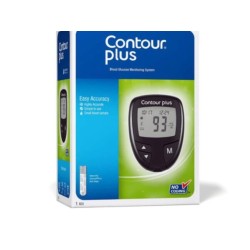
Contour Plus Meter Glucometer — available at DiabetesStore.com.bd
Bangladesh winters are mild compared to many countries, but the drop in temperature — even from 30°C to 12°C or 14°C — is enough to change the way your body behaves. For the many people in Bangladesh managing diabetes, this seasonal shift deserves a little extra thought, especially when it comes to the kidneys and urinary system. These organs quietly do an enormous amount of work every day, and when blood sugar levels are involved, they need some extra care.
This article shares practical, friendly guidance to help you look after your kidney and urinary health through the winter months — without complicated medical jargon and without any cause for alarm.
Why Winter Adds Extra Pressure on Kidneys for People with Diabetes
How Cold Weather Changes the Way Your Body Works
When the air turns cool, your body works a little harder to stay warm. Blood vessels near the skin narrow to hold heat inside — this is a perfectly normal response. But that narrowing can also mean the blood supply to organs like the kidneys changes slightly. In healthy people, this is hardly noticeable. In people with diabetes, whose blood vessels may already be under some stress, it is worth being mindful of.
Cold weather also tends to make people feel less thirsty. In summer or monsoon, you sweat and naturally drink more water. In winter, that built-in reminder disappears. If you are drinking less water without realising it, your kidneys have to work harder to filter waste from a smaller volume of fluid — and that is not ideal for anyone, especially those with diabetes.
The Link Between Blood Sugar and Kidney Stress
The kidneys contain tiny filtering units called glomeruli. Over time, consistently high blood sugar can affect how well these filters work. The kidneys start to let small amounts of protein slip through into the urine — something called microalbuminuria — which is an early sign that the kidneys may need more attention.
Winter can quietly make blood sugar a little harder to manage. People tend to move less, eat heavier comfort foods, and sometimes miss their regular walks or exercise routines. All of this can nudge blood sugar a little higher than usual, which in turn puts the kidneys under a bit more strain. Knowing this is the first step to doing something about it.
Warning Signs Worth Paying Attention To
Urinary Changes to Notice
Your urine is actually a useful window into how your kidneys are doing. Here are some things worth noticing — not to scare you, but because early awareness helps:
- Foamy or bubbly urine: Occasional bubbles are normal, but consistently foamy urine can sometimes indicate protein in the urine.
- Changes in colour: Dark urine often signals that you need to drink more water. Very light and very frequent urination can also be worth mentioning to your doctor.
- Burning or discomfort: Urinary tract infections (UTIs) are more common in people with diabetes. Cold weather and reduced water intake can increase the risk.
- Needing to go very often at night: While this can have many causes, it is always worth discussing with your healthcare team.
Swelling, Fatigue, and Other Signals
The kidneys also help control fluid balance in the body. If they are under stress, you might notice mild swelling around your ankles, feet, or face — particularly in the morning. Feeling more tired than usual, having a dull ache in the lower back, or noticing that your appetite has dropped can also be gentle signals that your body wants attention. None of these are reasons to panic, but all of them are worth mentioning to your doctor or pharmacist.
Simple Daily Habits That Support Kidney and Urinary Health
Staying Hydrated in the Cold
This is probably the single most practical thing you can do for your kidneys in winter. Even when you do not feel thirsty, your body still needs water. Aim to drink enough fluids throughout the day — water, light soup, herbal tea without sugar, or warm lemon water are all good options.
A simple tip: keep a water bottle or flask near your desk, bed, or favourite chair so it is always in sight. If you find plain water unappealing in the cold, warm water with a small slice of lemon can make it feel more comforting. Try to spread your drinks across the day rather than drinking a large amount all at once.
If your doctor has told you to limit fluids for a specific medical reason, follow their guidance — this general advice is for people who have not been given fluid restrictions.
Eating in a Kidney-Friendly Way
Winter in Bangladesh brings its own tempting foods — heavier curries, more salt, and rich festive dishes. For kidney wellness, a few gentle adjustments can make a real difference:
- Go easy on salt: Too much salt raises blood pressure, which is one of the biggest challenges for kidney health. Use less salt in cooking and avoid very salty snacks and pickles.
- Choose protein wisely: You do not need to avoid protein, but very large amounts of red meat or processed meat at every meal is not ideal. Fish, lentils (dal), and eggs are kinder options.
- Include vegetables: Seasonal winter vegetables like carrots, spinach, cauliflower, and gourd are great additions. They are filling, nutritious, and gentle on blood sugar.
- Watch potassium and phosphorus if advised: If your doctor or dietitian has already given you specific guidance on limiting certain minerals, winter is a good time to revisit that advice.
Keeping Blood Sugar Steady
Healthy kidneys and healthy blood sugar go hand in hand. When blood sugar stays within your target range, the kidneys face less strain. Some practical winter-specific tips:
- Try to eat at regular times rather than skipping meals and then overeating later.
- Keep healthy snacks close at hand so you are not tempted by high-sugar options when hunger strikes.
- Monitor your blood sugar at home regularly — especially in winter when your routine may shift. A reliable glucometer makes this easy and gives you real information to share with your doctor.
- Use glucose test strips that match your device, and keep a small stock at home so you are never caught short.
Staying Active Without Overdoing It
Exercise helps your heart pump blood efficiently to your kidneys, supports blood sugar balance, and keeps your weight in a healthy range — all of which benefit kidney health. In winter, you do not need to exercise outdoors in the cold if that feels uncomfortable. Indoor options like gentle stretching, yoga, or even walking around your home or apartment building work well.
Even 20 to 30 minutes of light movement most days of the week makes a meaningful difference. If you have been given specific exercise restrictions by your doctor, follow those first.
Practical Monitoring Tips for Winter
When to Test and What to Track
Winter is a great time to be a little more consistent with your home monitoring. Here is what to keep an eye on:
- Blood sugar levels: Test as advised by your healthcare team — fasting in the morning and after meals can both be useful.
- Blood pressure: High blood pressure is one of the main causes of kidney stress in people with diabetes. A simple home blood pressure monitor can help you keep track between clinic visits.
- Your weight: Sudden weight gain — especially in the ankles, legs, or abdomen — can sometimes indicate fluid retention related to kidney function. It is worth monitoring.
- Urine changes: As mentioned earlier, keep a gentle eye on any changes in the look, smell, or frequency of your urine.
Working With Your Healthcare Team
Regular check-ups are one of the most powerful tools you have. Your doctor may want to check your kidney function with a simple blood test (creatinine and eGFR) and a urine test for protein at least once a year — or more often if you have already been told your kidneys need closer watching. Winter is a good time to book that appointment if you have not done so recently.
Do not hesitate to ask your pharmacist about blood pressure monitors suitable for home use, or to check whether any of your medications need any seasonal adjustment — always under your doctor's guidance, of course.
If you notice anything unusual — swelling, a big change in urination, or simply something that feels different — reach out to your doctor sooner rather than waiting for your next scheduled visit. Early conversations always give you more options.
Frequently Asked Questions
Q: Does cold weather directly harm the kidneys in people with diabetes?
A: Cold weather itself does not directly harm the kidneys, but it does change habits — people drink less water, move less, and sometimes eat differently — which can collectively put more pressure on the kidneys. Being aware of these changes and making small adjustments can help keep things balanced.
Q: How much water should I drink in winter if I have diabetes?
A: There is no single number that suits everyone, because it depends on your size, activity level, and any specific health conditions. A general guide is around 6 to 8 glasses of fluid a day, but your doctor is the best person to advise you if you have kidney concerns. The colour of your urine is a practical guide — pale yellow is usually a good sign.
Q: Are urinary tract infections (UTIs) more common in winter for people with diabetes?
A: People with diabetes can be more prone to UTIs in general, because higher blood sugar can create an environment where bacteria grow more easily. Reduced water intake in winter can also increase the risk. Drinking enough fluids and keeping blood sugar within your target range are two of the best ways to lower this risk.
Q: Can I test my kidney health at home?
A: While there are some home urine test strips that can detect protein in the urine, proper kidney function tests (blood creatinine, eGFR) are done in a lab. Monitoring blood pressure and blood sugar at home, and watching for physical changes like swelling or urine changes, are the most practical things you can do between clinic visits.
Q: Is it safe to exercise in winter if I have diabetes and kidney concerns?
A: Gentle, regular exercise is generally beneficial for both blood sugar and kidney health. However, if you have been given specific restrictions by your doctor — especially related to kidney function or cardiovascular health — always follow their advice first. When in doubt, ask your doctor what level of activity is right for you.
Disclaimer: This article is for general information purposes only and does not constitute medical advice. Every person's health situation is different. Please consult your doctor, specialist, or pharmacist for guidance tailored to your individual needs before making any changes to your diet, lifestyle, or medication routine.
]]>