
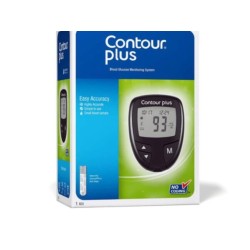
Contour Plus Meter Glucometer — available at DiabetesStore.com.bd
World Diabetes Day on 14 November brings a wonderful wave of awareness — posters in clinics, conversations in offices, and reminders on social media. But when the blue circle fades from the feed and December begins, what happens next?
For the millions of people managing diabetes across Bangladesh, the real work is not a single day. It is every ordinary Tuesday morning, every Eid gathering, every scorching April afternoon. This article is about turning the energy of World Diabetes Day into something that lasts — calm, sustainable habits that fit into real Bangladeshi life.
Why the Momentum Matters After World Diabetes Day
Awareness campaigns are valuable because they remind us to pause and reflect. That pause is a gift. The question is: what do you do with it?
Research consistently shows that steady, small daily actions matter far more than intense short bursts of effort. Think of it like watering a plant. Pouring a bucket once a month does not help as much as a little water every day. Diabetes care works the same way.
The good news? You do not need to overhaul your entire life in one go. Picking just one or two new habits this month — and sticking to them — can make a meaningful difference over the coming year.
Small Daily Habits That Add Up Over a Year
Morning Routines That Set the Tone
Mornings in Bangladeshi households are often busy — prayers, breakfast preparation, children getting ready for school. But even within that bustle, a few mindful moments can shape the whole day.
- Check in with your body. Before reaching for your phone, take three slow breaths and notice how you feel — rested, tired, stressed, or energised. This simple check-in builds body awareness over time.
- Eat a balanced breakfast. Try to include protein (eggs, dal, lentils), a small portion of whole grain (ruti or red rice), and something green if possible. A steady breakfast helps keep energy levels more even through the morning.
- Take a short walk. Even a 10-minute walk around the neighbourhood or on the rooftop after breakfast supports circulation and general wellbeing.
Mindful Eating Through Every Season
Bangladesh has a rich food culture, and eating well does not mean eating less joyfully. It simply means being a little more thoughtful.
- Fill half your plate with vegetables and leafy greens like shak, lau, or begun.
- Use smaller portions of white rice and pair it with dal or fish for a steadier meal.
- Choose water, lemon water, or green tea over sweet drinks like cola, bottled juice, or overly sweet cha.
- When street food calls — and it always does — go for boiled items (like boiled egg or muri) over deep-fried snacks when you can.
Staying Active Without a Gym
Gym memberships are not affordable or practical for most people in Bangladesh, and that is perfectly fine. Movement does not need a gym.
- Walk to the nearby bazaar instead of taking a rickshaw for short trips.
- Use stairways instead of lifts when possible.
- Try a short yoga or stretching routine on YouTube — many are available in Bangla and require no equipment.
- Evening walks after dinner are a beloved habit in many Bangladeshi communities and are genuinely helpful for overall wellness.
Monitoring Your Blood Sugar — Making It a Comfortable Habit
For people with diabetes, keeping an eye on blood sugar levels is one of the most useful things you can do at home. Many people feel nervous about it at first, but most find that it quickly becomes as routine as brushing teeth.
When to Check and Why It Helps
Your doctor will advise you on how often to check based on your personal situation. Regular monitoring helps you and your care team understand patterns — how your body responds to different meals, activity, or stress. That information is powerful because it helps you make small, well-informed adjustments.
A good-quality glucometer at home makes this easy and private. Modern devices are compact, fast, and require only a tiny drop of blood. If you do not already have one, it may be worth asking your doctor whether home monitoring would be helpful for you.
Remember to also keep a steady supply of glucose test strips that match your device. Using the wrong strips or expired ones can affect accuracy.
Keeping a Simple Log
You do not need a fancy app. A small notebook or even a note on your phone works well. Record:
- The date and time of the reading
- Your result
- A short note about what you ate or did before
Bring this log to your next doctor visit. It gives your care team a much clearer picture than any single reading could.
Navigating Bangladesh's Unique Daily Life With Diabetes
Managing Around Rickshaw Rides, Long Commutes, and Heat
Life in Bangladesh — especially in Dhaka, Chattogram, or Sylhet — means traffic, heat, and unpredictable schedules. These realities can make diabetes care feel challenging, but they are manageable with a little planning.
- Carry a small snack. If you are stuck in traffic or running late, having a small, balanced snack (like a handful of peanuts or a small ruti) can help you avoid skipping meals.
- Stay hydrated. Bangladesh's heat is real. Carry a water bottle wherever you go. Dehydration affects how your body feels and functions.
- Keep your supplies safe. If you carry diabetes supplies with you, use an insulated pouch during hot months to protect strips and devices from heat damage.
Social Gatherings and Festive Foods All Year
From Eid ul-Fitr to Eid ul-Adha, Pohela Boishakh, weddings, and office parties — Bangladeshi social life is full of food-centred celebrations, and that is beautiful.
Managing diabetes does not mean sitting out celebrations. It means making thoughtful choices:
- Eat a small balanced meal before attending a party so you are not arriving hungry.
- Choose smaller portions of sweets or rich biriyani rather than avoiding them entirely — balance is more sustainable than strict avoidance.
- Be the person who chooses water or fruit over sugary drinks — others may quietly follow your lead.
- Enjoy the company, the music, the conversation. Joy and laughter are genuinely good for overall wellbeing.
Staying Connected to Your Care Team Year-Round
World Diabetes Day often prompts people to book a check-up — which is wonderful. But one visit a year is rarely enough. Try to build a simple schedule with your doctor or pharmacist:
- Regular follow-up appointments — the frequency depends on your situation, so ask your doctor what is right for you.
- Annual eye checks — a simple but often-overlooked part of diabetes care.
- Foot checks — look at your feet regularly and ask a healthcare professional to check them at appointments.
- Pharmacy consultations — your pharmacist is a great, accessible resource for questions about supplies, devices, and general care tips.
If getting to a clinic is difficult, ask whether telemedicine options are available. Many Bangladeshi health services now offer phone or video consultations.
Building a Simple Home Diabetes Care Kit
Having the right supplies at home removes friction from daily care. A basic home kit might include:
- A reliable glucometer and matching test strips
- A stock of lancets for finger-prick testing
- Diabetic-friendly foot care items — a good moisturiser, clean cotton socks, and nail-care tools
- A small notebook or logbook for recording readings
- Your doctor's contact number and a list of your current medicines
Stocking up thoughtfully — without over-buying — means you are always prepared without waste. Check expiry dates on strips regularly and reorder before you run out. You can explore a range of diabetes care supplies at diabetesstore.com.bd, delivered conveniently across Bangladesh.
Frequently Asked Questions
How often should I check my blood sugar at home?
This depends on your individual situation and the advice of your doctor. Some people check once a day, others more frequently. Always follow your doctor's guidance for your personal monitoring schedule.
Can I eat rice if I have diabetes?
Rice is a staple in Bangladesh and many people with diabetes continue to eat it in moderation. Portion size, what you eat alongside it, and overall meal balance matter a great deal. Talk to your doctor or a registered dietitian for personalised advice.
What is the most important habit for year-round diabetes care?
Consistency tends to matter most. Regular check-ups, steady daily routines around meals and movement, and open communication with your care team all work together. No single habit works in isolation.
Are glucometers available across Bangladesh?
Yes. Glucometers and test strips are widely available at pharmacies and online. diabetesstore.com.bd delivers across Bangladesh, making it convenient to order supplies from home.
How can I stay motivated with diabetes care through the whole year?
Setting small, achievable goals — rather than big dramatic changes — tends to build lasting motivation. Celebrate small wins, involve a trusted family member or friend for support, and remember that good days and harder days are both normal parts of the journey.
Disclaimer: This article is for general information purposes only and does not constitute medical advice. Every person's health situation is different. Please consult your doctor, diabetes educator, or pharmacist before making any changes to your care routine.
]]>