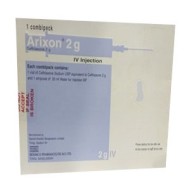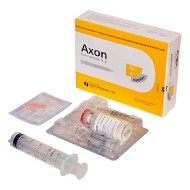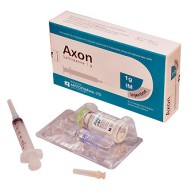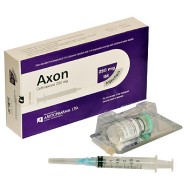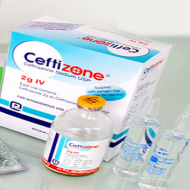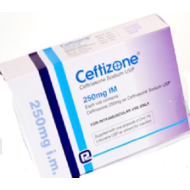

- Stock: Out Of Stock
- Brand: ACI Pharmaceuticals
- Product ID: Ceftriaxone
🔒 100% Secure Payment | bKash | Nagad | SSLCommerz | COD
⭐ Become a FREE Member: 7% Extra Savings • Free Delivery • Refill Reminders • Priority Support
This Item is for pre order
Aciphin IV 500mg Injection — Ceftriaxone 500mg Intravenous
| Product Overview | |
|---|---|
| Brand Name | Aciphin® IV 500mg |
| Generic Name | Ceftriaxone Sodium USP equivalent to Ceftriaxone 500 mg |
| Manufacturer | ACI Pharmaceuticals Ltd., Bangladesh |
| Drug Class | 3rd Generation Cephalosporin Antibiotic |
| Dosage Form | Dry Powder for Intravenous (IV) Injection |
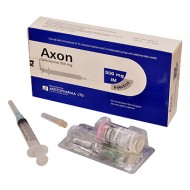
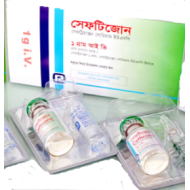
| Pack Contents | 1 vial ceftriaxone 500mg + 1 ampoule 5ml Water for Injection BP + 5ml syringe + baby needle + first aid bandage + alcohol pad |
| Route | Intravenous (IV) — slow IV push over minimum 5 minutes |
| Reconstitution | Dissolve 500mg in 5ml Water for Injection BP; administer IV over minimum 5 minutes |
| Prescription Status | Prescription Required (Rx) |
| Storage | Below 30°C, protected from light. Reconstituted: stable 6h at room temp, 24h at 5°C. |
1. Indications
Aciphin® IV 500mg contains ceftriaxone — a third-generation cephalosporin for once-daily intravenous treatment of moderate to severe bacterial infections. Indicated for: lower respiratory tract infections (community-acquired pneumonia, acute exacerbations of chronic bronchitis); urinary tract infections including pyelonephritis; septicaemia; skin, soft tissue, bone and joint infections; intra-abdominal infections; bacterial meningitis; gonorrhoea; pelvic inflammatory disease; ENT infections; acute bacterial otitis media; surgical prophylaxis; typhoid fever; and infections in immunocompromised patients. The 500mg IV dose is commonly used for paediatric infections and adults requiring intermediate dosing.
Diabetes relevance: Ceftriaxone IV is a cornerstone for hospitalised diabetic patients with diabetic foot infections, complicated UTIs, and systemic infections. Its dual hepatic-renal elimination ensures safety in diabetic nephropathy without dose adjustment for most patients.
2. Mechanism of Action
Ceftriaxone inhibits bacterial cell wall synthesis by binding penicillin-binding proteins (PBPs), preventing peptidoglycan cross-linking. This leads to osmotic lysis and bacterial death (bactericidal). Active against beta-lactamase producers. Broad spectrum: S. pneumoniae, H. influenzae, E. coli, K. pneumoniae, Neisseria spp., Salmonella typhi, and many Gram-positive and Gram-negative pathogens.
3. Dosage & Administration
Adults: 1–2g once daily IV. Children (15 days–12 years): 20–80 mg/kg/day. Neonates (<15 days): 20–50 mg/kg/day IV over 60 min (max 50 mg/kg).
IV Reconstitution: Dissolve 500mg in 5ml Water for Injection BP. Give by slow IV push over minimum 5 minutes using the baby needle and 5ml syringe provided. Reconstituted solution stable 6h at room temperature, 24h at 2–8°C.
Renal impairment: No dose adjustment for CrCl >10 ml/min. Max 2g/day if CrCl <10 ml/min. No change for hepatic impairment with intact renal function.
Duration: Continue 2–3 days after full symptom resolution (typically 4–14 days).
4. Side Effects
Generally well tolerated. GI: nausea, vomiting, diarrhoea (2–4%). C. difficile-associated diarrhoea possible. Haematological: eosinophilia, thrombocytosis/thrombocytopenia, leucopaenia. Hepatic: transient elevated liver enzymes. Biliary pseudolithiasis (reversible). IV site: phlebitis. Hypersensitivity: rash, urticaria; anaphylaxis (rare). CRITICAL: Never mix with calcium-containing IV solutions — fatal precipitation risk.
5. Contraindications
Hypersensitivity to ceftriaxone or cephalosporins; penicillin anaphylaxis history; hyperbilirubinaemic or premature neonates; concurrent calcium-containing IV solutions in neonates.
6. Warnings & Precautions
Screen for allergy; keep epinephrine available. Monitor for CDAD. Never co-administer with Ringer's Lactate or calcium-containing IV fluids. For CrCl <10 ml/min: cap at 2g/day.
7. Drug Interactions
Aminoglycosides: synergistic (separate IV lines). Warfarin: monitor INR. Calcium-containing IV: CONTRAINDICATED. Probenecid: no significant effect on ceftriaxone.
8. Pharmacokinetics
100% IV bioavailability. Protein binding 85–95%. Half-life 6–9h (once-daily dosing). Dual elimination: ~50% renal, ~50% biliary. Excellent CSF, bone, lung, and peritoneal penetration. Safe in renal impairment. Not dialyzable.
9. Storage
Store below 30°C, protected from light. After reconstitution with WFI: stable 6h at 25°C, 24h at 2–8°C. Use freshly prepared solutions whenever possible.
10. Course Completion
Complete the full prescribed course. Continue 2–3 days after resolution. Never stop early — risk of relapse and resistance.
11. Overdose
No specific antidote. Not removed by dialysis. Supportive care and neurological monitoring.
12. Clinical Evidence
WHO Essential Medicine. First-line for CAP, meningitis, typhoid, sepsis. Once-daily equivalent to multiple-daily dosing in multiple RCTs. Preferred IV antibiotic for diabetic foot infection and MDR typhoid in Bangladesh.
13. Patient Counselling
Requires healthcare professional administration. Report rash, breathing difficulty, or swelling immediately. Complete the full course. Report diarrhoea during treatment. This pack contains Water for Injection — NOT for IM use (IM packs use Xylone 1% solvent). Never interchange IV and IM packs.
Frequently Asked Questions (FAQ)
Q1. What is the difference between Aciphin IV 500mg and Aciphin IM 500mg?
Both contain ceftriaxone 500mg but differ in route and solvent. The IV pack is reconstituted with Water for Injection BP and given intravenously. The IM pack is reconstituted with Xylone 1% (lidocaine HCl 1%) and given deep intramuscularly only. The lidocaine-reconstituted IM solution must NEVER be given IV — cardiac toxicity risk. Check the solvent ampoule and pack label before every preparation.
Q2. Can ceftriaxone 500mg IV be used for children?
Yes — ceftriaxone is widely used in paediatric patients (15 days and older) at 20–80 mg/kg/day IV. The 500mg dose is often used for younger children and infants. Neonates (0–14 days) can receive ceftriaxone only if they are not hyperbilirubinaemic. Always calculate weight-based dose and confirm no contraindications in neonates before use.
Q3. Why must ceftriaxone never be mixed with Ringer's Lactate?
Ringer's Lactate and Hartmann's solution contain calcium ions. When mixed with ceftriaxone in the IV line or infusion bag, they form an insoluble ceftriaxone-calcium precipitate. This precipitate can occlude blood vessels causing embolism — fatalities have been reported, particularly in neonates. Always use 0.9% NaCl or 5% dextrose for reconstitution and IV flushing, and use a separate IV line from calcium-containing infusions.
Q4. Is ceftriaxone 500mg IV effective for typhoid fever?
Yes — ceftriaxone is a first-line treatment for typhoid fever in Bangladesh, particularly for multidrug-resistant (MDR) and fluoroquinolone-resistant strains now prevalent in the country. Adult doses of 1–2g/day IV are standard (higher than 500mg for severe typhoid). The 500mg IV dose is used for paediatric typhoid (weight-based). Typical treatment duration: 10–14 days IV or with oral step-down after defervescence.
⚕ Medical Disclaimer: Aciphin® IV 500mg is a prescription parenteral antibiotic for IV administration by trained healthcare professionals only. Information sourced from ACI Pharmaceuticals Ltd. official prescribing data. Educational purposes only.