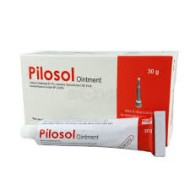

- Stock: Out Of Stock
- Brand: ACI Pharmaceuticals
- Product ID: Naproxen Sodium
🔒 100% Secure Payment | bKash | Nagad | SSLCommerz | COD
⭐ Become a FREE Member: 7% Extra Savings • Free Delivery • Refill Reminders • Priority Support
This Item is for pre order
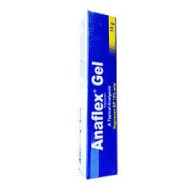
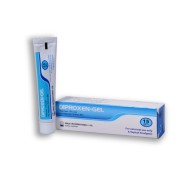
Anaflex Gel 30g (Naproxen Sodium 10% Topical Gel) – ACI Limited
| Brand Name | Anaflex Gel 30g |
|---|---|
| Generic Name | Naproxen Sodium 10% w/w Topical Gel |
| Strength | 10% w/w (100 mg per gram) |
| Dosage Form | Topical Gel |
| Manufacturer | ACI Limited, Bangladesh |
| Drug Class | Topical NSAID — Non-Steroidal Anti-Inflammatory Drug |
| Pack Size | 30g Tube (Economy Value Pack) |
| Prescription Required | No (OTC available for topical use) |
| Storage | Store below 30°C, away from direct sunlight. Do not freeze. |
1. About Anaflex Gel 30g (Naproxen Sodium 10%)
Anaflex Gel 30g is the economy value pack of ACI Limited's topical NSAID gel, containing Naproxen Sodium 10% w/w. It provides double the volume of the 15g tube at a lower per-gram cost — making it the preferred choice for patients with ongoing arthritis management or those treating multiple joints. The same clinically effective formulation as the 15g tube, it delivers targeted local anti-inflammatory and analgesic action with minimal systemic absorption.
Anaflex Gel 30g is particularly recommended for patients requiring long-term topical therapy — knee osteoarthritis, shoulder tendinitis, or ongoing musculoskeletal conditions — where consistent twice to four-times-daily application over weeks or months is needed. The larger tube size reduces cost per application and avoids frequent repurchases.
2. Mechanism of Action
Naproxen sodium (10% topical) penetrates the skin and accumulates in underlying synovial tissue, tendons, and muscle, inhibiting local COX-1 and COX-2 enzymes and reducing prostaglandin synthesis at the site of inflammation. This reduces pain, tissue swelling, and local vasodilation. Systemic plasma concentrations remain far below oral dose levels (1–6% bioavailability topically), preserving the efficacy–safety balance critical for chronic use in elderly or comorbid patients.
3. Indications
- Chronic Knee Osteoarthritis: Preferred first-line topical NSAID for ongoing joint management (NICE, OARSI guidelines)
- Shoulder and Hip OA
- Tendinitis: Elbow epicondylitis, Achilles tendinitis, rotator cuff tendinitis
- Bursitis: Shoulder, knee, hip bursitis
- Acute Sports Injuries: Sprains, strains, muscle contusions
- Soft Tissue Rheumatism and Myofascial Pain
- Patients on Long-Term Topical NSAID Therapy — 30g tube economical for daily use
4. Dosage and Administration
Adults: Apply a small amount (~1–2 cm of gel per 10 cm² of skin area) over the affected joint or muscle. Massage gently until absorbed. Use 3–4 times daily. Wash hands after application unless the hands are being treated.
Osteoarthritis (long-term use): Continue as directed by physician — regular daily application maintains local tissue drug levels and sustained anti-inflammatory effect. The 30g tube provides approximately 3–4 weeks of twice-daily knee application — ideal for ongoing management.
Avoid: Broken, infected, or eczematous skin; eyes; mucous membranes; UV/sun exposure on treated areas during and 2 weeks post-treatment.
5. Contraindications
- Hypersensitivity to naproxen, any NSAID, or aspirin (including aspirin-sensitive asthma)
- Application to broken, infected, abraded, or inflamed skin
- Third trimester of pregnancy
- Children under 12 years of age
6. Warnings and Precautions
External use only. Avoid eyes, mouth, and mucous membranes. Flush with water if contact occurs.
Photosensitivity: Do not expose treated skin to sunlight or UV lamps during use and for 2 weeks after. Wear protective clothing if outdoors.
Skin reactions: Discontinue if localised rash, erythema, or contact dermatitis develops. Rare phototoxic reactions reported.
Pregnancy: Avoid in third trimester. Consult physician before use in first/second trimester.
Diabetic patients — key clinical advantage: Anaflex Gel 30g is the recommended analgesic choice for chronic joint pain management in diabetic patients with renal impairment. Topical naproxen does not reduce GFR, elevate blood pressure, cause fluid retention, or interact with antidiabetic or antihypertensive medications — critical safety advantages over oral NSAIDs in diabetes with CKD. Long-term topical therapy is well-tolerated in diabetic elderly patients with bilateral knee OA.
7. Side Effects
Common (local): Mild burning, itching, erythema, or dry skin at application site — occurs in ~5–10% of users. Usually mild and transient.
Uncommon: Contact dermatitis, blistering, skin discolouration at treated site. Phototoxic reaction if sun-exposed.
Systemic effects: Clinically negligible with standard topical dosing. Unlike oral NSAIDs, topical application does not cause GI ulcers, renal impairment, or clinically meaningful CV risk at recommended doses.
8. Drug Interactions
Clinically significant systemic drug interactions are not expected with correct topical use of the 30g tube. Extensive application (large surface areas, multiple sites, prolonged) could theoretically result in systemic absorption sufficient to interact with anticoagulants or other NSAIDs — avoid in such scenarios. No interaction with oral diabetes medications at standard recommended dosing.
9. Pharmacokinetics
Topical naproxen 10% achieves local tissue (synovium, tendon, muscle) drug concentrations well above minimum effective levels within hours of application. Systemic bioavailability is approximately 1–6% of an equivalent oral dose. This means a 2g application (~200 mg naproxen) yields plasma levels equivalent to approximately 2–12 mg oral naproxen — far below the 250–500 mg therapeutic oral dose. The gel provides local efficacy without systemic NSAID burden. Half-life in tissue approximately parallels plasma elimination (12–17 hours), supporting continued local effect between applications.
10. Why the 30g Tube is Preferred for Ongoing Therapy
For patients requiring regular daily application — knee OA, bilateral arthritis, chronic tendinitis — the 30g tube provides 2× the volume at significantly better cost-per-gram value than the 15g tube. Consistent, uninterrupted topical NSAID therapy is essential for sustained anti-inflammatory effect in osteoarthritis. Running out mid-treatment and delaying repurchase interrupts therapeutic local tissue drug levels. The 30g format reduces this risk and is recommended for: patients on physician-prescribed long-term topical NSAID therapy; elderly patients with bilateral knee OA; patients treating multiple sites simultaneously.
11. Topical NSAID Evidence in OA Management
Cochrane Reviews and OARSI 2019 guidelines consistently support topical NSAIDs as first-line pharmacological therapy for knee osteoarthritis, particularly in patients over 75, those with GI risk, or those with renal impairment. In Bangladesh, where knee OA is highly prevalent in the elderly diabetic population (combined diabetes-driven cartilage damage and age-related degeneration), Anaflex Gel 30g fills a critical evidence-based treatment gap — effective local anti-inflammatory therapy with a safety profile acceptable even in complex comorbid patients.
12. ACI Limited Anaflex Range
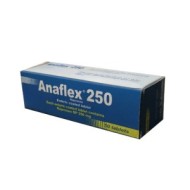
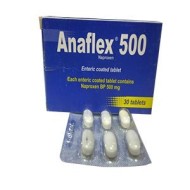
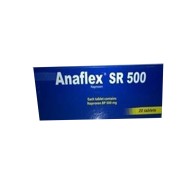
Anaflex Gel 30g is part of ACI Limited's complete Anaflex range: Anaflex Gel 15g (acute/short-term use), Anaflex Gel 30g (chronic/ongoing value pack), Anaflex 250/500 mg tablets, Anaflex SR 500 mg (sustained-release), and Anaflex Max 375/500 mg (naproxen + esomeprazole for gastroprotection). This comprehensive range allows tailored therapy selection based on the clinical scenario and patient risk profile.
13. Storage
- Store below 30°C. Do not freeze.
- Keep away from direct sunlight and heat. Recap tightly after each use.
- Keep out of reach of children. Do not use after expiry date.
Frequently Asked Questions (FAQ)
Q1: What is the difference between Anaflex Gel 15g and 30g?
Both tubes contain identical Naproxen Sodium 10% topical gel with the same clinical formulation — the only difference is pack size. Anaflex Gel 30g is the economy/value pack with double the volume, offering a lower cost per gram. It is preferred for ongoing osteoarthritis management, long-term therapy, or patients treating multiple joints. The 15g tube suits short-term acute injury treatment or trying the product for the first time.
Q2: Is Anaflex Gel 30g safe for long-term use?
Topical naproxen is well-tolerated for long-term use under physician guidance. Because systemic absorption is very low (1–6% of oral dose), the GI, cardiovascular, and renal risks associated with chronic oral NSAID use are largely avoided. Clinical trials have used topical naproxen gel for up to 12 months in knee OA without significant safety concerns. The main long-term local risk is skin sensitisation — if skin irritation develops, consult your physician.
Q3: Can I use Anaflex Gel if I have diabetes and kidney disease?
Yes — topical naproxen is strongly preferred over oral NSAIDs in diabetic patients with chronic kidney disease. Systemic absorption is minimal, so topical naproxen does not reduce GFR, elevate blood pressure, cause sodium or water retention, or interact with ACE inhibitors or ARBs used for diabetic nephroprotection. International rheumatology guidelines recommend topical NSAIDs as first-line therapy for knee OA specifically in patients with renal impairment or GI risk.
Q4: How many applications does a 30g tube provide?
Application amount varies by the size of the treated area. For a single knee joint (typical adult knee requiring ~1g of gel per application), a 30g tube provides approximately 30 applications. Applied 3 times daily, this is ~10 days of treatment. Applied twice daily as maintenance, approximately 2–3 weeks. For smaller areas (single finger/wrist/ankle joint), the 30g tube can last 4–6 weeks of regular use — excellent value for ongoing arthritis management.