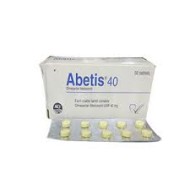
- Stock: Out Of Stock
- Brand: Amico Laboratories Ltd.
- Product ID: Atenolol
Available Options
🔒 100% Secure Payment | bKash | Nagad | SSLCommerz | COD
⭐ Become a FREE Member: 7% Extra Savings • Free Delivery • Refill Reminders • Priority Support
This Item is for pre order
Atenolol 50mg Tablet — Beta-Blocker for Blood Pressure and Heart Rate Control
Attribute Details
| Brand Name | ATENOLOL 50 MG |
| Generic Name | Atenolol |
| Strength | 50 mg |
| Dosage Form | Oral Tablet |
| Pack Size | Strip/box pack (see listing for unit count) |
| Drug Class | Cardioselective Beta-1 Blocker |
| Manufacturer | See product listing for manufacturer details |
About Atenolol 50mg Tablet
Atenolol is a cardioselective beta-blocker that slows the heart rate and reduces the force of heart contractions, lowering blood pressure and reducing the heart's oxygen demand. It is commonly prescribed for hypertension, angina (chest pain), certain heart rhythm disorders, and to reduce the risk of further heart attacks in patients who have already had one. Because it acts mainly on beta-1 receptors in the heart, atenolol has comparatively less effect on the lungs than older, non-selective beta-blockers, though caution is still needed in patients with asthma or COPD.
Atenolol Use in Patients with Diabetes: Important Precautions
Beta-blockers such as atenolol require special attention in people with diabetes for two main reasons. First, atenolol can mask the early warning signs of hypoglycemia (low blood sugar) — particularly the rapid heartbeat and tremor that normally alert a person to dropping blood sugar — making sweating sometimes the only remaining warning sign. Diabetic patients on atenolol, especially those using insulin or sulfonylureas, should check their blood glucose more frequently and be alert to subtler hypoglycemia symptoms such as confusion, sweating, or hunger. Second, beta-blockers can modestly raise blood glucose and slightly worsen insulin sensitivity over the long term in some patients, so periodic blood glucose monitoring is recommended. Despite these precautions, atenolol is still prescribed to diabetic patients when clinically indicated, particularly after a heart attack, since the cardioprotective benefits generally outweigh the metabolic risks under proper monitoring.
Stopping Atenolol Safely
Atenolol, like other beta-blockers, must never be stopped abruptly after long-term use, as sudden discontinuation can trigger a dangerous rebound effect — including a sharp rise in blood pressure, worsening angina, or even heart attack in susceptible patients. If discontinuation is needed (for surgery, side effects, or a change in treatment plan), the dose should be tapered gradually over 1–2 weeks under physician supervision. Diabetic patients with coexisting heart disease should be especially careful to follow this tapering schedule exactly as directed.
Dosing Guide
| Indication | Typical Adult Dose | Notes |
|---|---|---|
| Hypertension | 50mg once daily | May increase to 100mg if needed, per physician |
| Angina | 50–100mg once daily | Per physician guidance |
| Post-heart attack (secondary prevention) | 50–100mg daily, often started lower | Per cardiologist protocol |
| Diabetic patients | As prescribed, same general dosing | Requires closer blood glucose monitoring, especially if on insulin |
Frequently Asked Questions (FAQ)
Q1: I have diabetes and take insulin — is Atenolol safe for me?
Atenolol can be used by diabetic patients, but it can mask some of the warning symptoms of low blood sugar (especially rapid heartbeat and tremor). If you take insulin or sulfonylureas, monitor your blood glucose more closely and learn to recognize other hypoglycemia symptoms such as sweating, confusion, or hunger, since these may be your main warning signs while on atenolol.
Q2: Can Atenolol affect my blood sugar levels directly?
Beta-blockers like atenolol can modestly raise blood glucose and slightly reduce insulin sensitivity in some patients over time, though this effect is usually small. Your physician may monitor your blood glucose periodically while you're on this medication, particularly if you have diabetes.
Q3: Why shouldn't I stop taking Atenolol suddenly?
Stopping a beta-blocker abruptly after taking it regularly can cause a rebound increase in blood pressure and heart rate, and can even trigger angina or a heart attack in people with underlying heart disease. Always taper off gradually under your doctor's guidance if you need to stop.
Q4: Can I take Atenolol if I also have asthma?
Atenolol is more heart-selective than older beta-blockers, but it can still affect breathing in some people with asthma or COPD. Discuss your full respiratory history with your physician before starting, and report any new wheezing or shortness of breath promptly.
Medical Disclaimer
Atenolol 50mg Tablet should be taken exactly as prescribed by your physician, and never stopped abruptly. Diabetic patients should monitor blood glucose closely, particularly for atypical hypoglycemia symptoms. This content is for educational purposes only and does not replace professional medical advice.