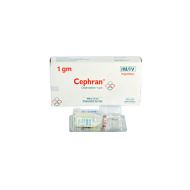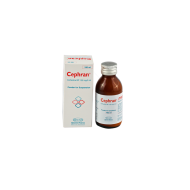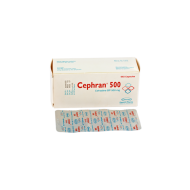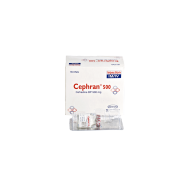
- Stock: Out Of Stock
- Brand: ACI Pharmaceuticals
- Product ID: Cephradine
🔒 100% Secure Payment | bKash | Nagad | SSLCommerz | COD
⭐ Become a FREE Member: 7% Extra Savings • Free Delivery • Refill Reminders • Priority Support
This Item is for pre order
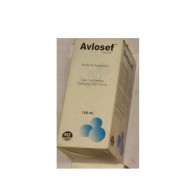
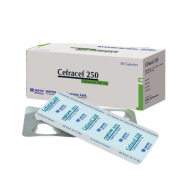
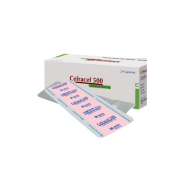
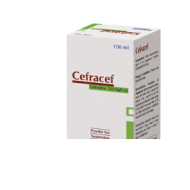
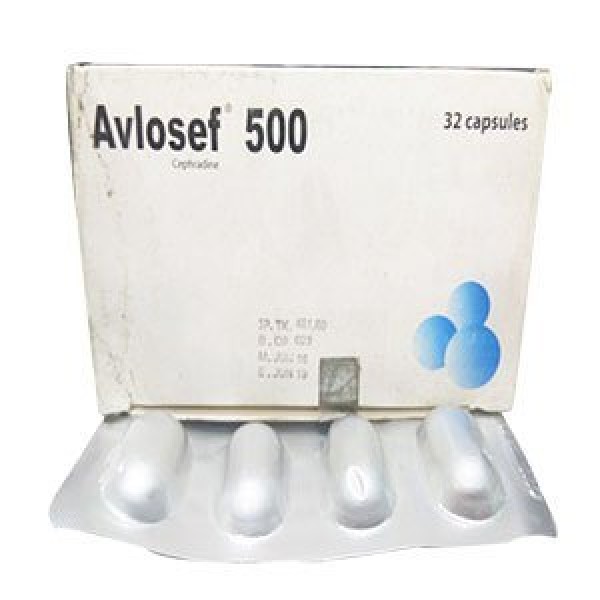
Avlosef 500mg Capsule – High-Dose Cephradine for Moderate Infections & Surgical Prophylaxis
| Brand Name | Avlosef 500mg |
|---|---|
| Generic Name | Cephradine (Cefradine) 500mg |
| Strength | 500mg per capsule |
| Dosage Form | Hard Gelatin Capsule |
| Manufacturer | ACI Limited, Bangladesh |
| Drug Class | First-Generation Cephalosporin Antibiotic |
| Prescription Required | Yes (Rx) |
| Storage | Below 25°C, dry place, away from light and moisture. |
1. When 500mg Cephradine Is Preferred Over 250mg
Avlosef 500mg capsule by ACI Limited delivers double the dose of the 250mg formulation — indicated when higher tissue concentrations are required. The 500mg dose is preferred for: (1) Moderate-to-severe skin and soft tissue infections with significant cellulitis, lymphangitis, or systemic signs (fever above 38°C); (2) Lower respiratory tract infections — community-acquired pneumonia due to susceptible S. pneumoniae (though note that higher-generation cephalosporins or amoxicillin are often preferred for CAP in Bangladesh); (3) Complicated UTI and pyelonephritis — higher systemic concentrations needed for upper urinary tract infections; (4) Post-surgical prophylaxis continuation — after IV cephradine given peri-operatively, oral 500mg BD may continue the prophylaxis course for minor surgical procedures; (5) Obese patients: Higher body weight may require 500mg doses to achieve therapeutic tissue levels equivalent to standard doses in normal-weight patients.
2. Oral Surgical Prophylaxis with Cephradine
In Bangladesh, cephradine is used for pre-operative oral prophylaxis in minor surgical procedures where S. aureus wound infection is the primary concern (dermatological procedures, minor orthopaedic surgery, insertion of breast implants). Evidence-based guidance: (1) Single pre-operative dose (1–2g, 1–2 hours before incision) is more effective than multi-day post-operative prophylaxis — prolonged post-operative antibiotics do not reduce SSI rate and increase resistance; (2) Cephradine 500mg is an acceptable oral prophylaxis agent for procedures with low-to-moderate SSI risk when IV prophylaxis is not logistically feasible; (3) For clean-contaminated and contaminated wounds (bowel surgery, biliary surgery), IV cephradine + metronidazole is required — oral capsules are not adequate for these higher-risk categories; (4) Diabetes and obesity are independent risk factors for SSI — diabetic patients undergoing surgery should have prophylaxis and tight glycaemic control (target blood glucose 6–10 mmol/L peri-operatively).
3. Cephradine Pharmacokinetics and Food Effect
Cephradine 500mg pharmacokinetics: peak plasma concentration approximately 9–17 mcg/ml after 500mg oral dose; half-life 0.7–1 hour (short, hence QDS dosing); protein binding approximately 8–10% (very low — most drug is free and active); volume of distribution 0.25 L/kg; excreted 90% unchanged in urine within 6 hours. Food effect: Food slows but does not reduce total absorption of cephradine (AUC unchanged). Unlike some antibiotics, cephradine can be taken with meals to reduce GI side effects without sacrificing efficacy. However, for highest peak concentrations when treating infections where rapid bactericidal effect is critical, fasting administration gives faster Tmax (0.5–1h fasted vs 1.5–2h fed). In practice: take with food if GI intolerance is a concern; take on an empty stomach if faster onset is preferred.
4. Dosage
Adults: 500mg every 6 hours (QDS) or 1g every 12 hours (BD) for moderate infections. Maximum dose: 4g/day. Severe infections: 500mg–1g QDS. Duration: 7–10 days for most indications; 10–14 days for pyelonephritis; single dose or 24 hours for surgical prophylaxis. Renal dose adjustment: GFR 20–50ml/min: 500mg every 6–8 hours; GFR <20ml/min: 250mg every 6 hours or 500mg every 12 hours. Dialysis patients: supplement dose after each dialysis session.
5. Cephradine in Respiratory Tract Infections
Avlosef 500mg is used for respiratory infections caused by susceptible organisms. Indications and caveats: (1) Acute tonsillitis/pharyngitis (Group A Strep): Cephradine 500mg BD or 250mg QDS × 10 days. Non-inferior to penicillin V; (2) Acute otitis media (adults): Cephradine covers S. pneumoniae and S. aureus but not H. influenzae well — amoxicillin is usually preferred for AOM; (3) Community-acquired pneumonia (mild): Cephradine can cover S. pneumoniae if susceptible; however, macrolides or amoxicillin are generally preferred as first-line. Cephradine is more appropriate when S. aureus pneumonia is suspected (post-influenza secondary pneumonia) — characterised by rapid deterioration, haemoptysis, and cavitation on X-ray; (4) Acute exacerbations of chronic bronchitis: Cephradine 500mg BD may be appropriate for mild exacerbations with purulent sputum.
Frequently Asked Questions (FAQ)
Q1: Can I take Avlosef 500mg twice a day instead of four times a day?
Yes — 500mg BD (twice daily) is an accepted dosing regimen for mild-to-moderate infections. The BD schedule (every 12 hours) is more convenient and has shown comparable clinical outcomes to QDS (every 6 hours) for most outpatient indications including skin infections, tonsillitis, and uncomplicated UTI. For severe infections, QDS or TDS is preferred to maintain tissue concentrations above the MIC for a greater percentage of the dosing interval (time-dependent killing). Check your prescription — your doctor may have specified a particular frequency based on infection severity.
Q2: I need surgery next week and my doctor prescribed cephradine — how do I take it?
If prescribed for surgical prophylaxis: take 1–2 capsules (500mg–1g) approximately 1–2 hours before the procedure with a small amount of water. Do not eat a large meal before surgery as instructed by your surgical team. A single pre-operative dose is usually sufficient for prophylaxis. Do not continue taking cephradine after surgery unless specifically instructed — prolonged post-operative antibiotics are not recommended for prophylaxis and increase antibiotic resistance without reducing infection risk.
Q3: My doctor prescribed cephradine for a chest infection — why not amoxicillin?
Your doctor may have chosen cephradine instead of amoxicillin for several reasons: (1) You have a history of mild penicillin/amoxicillin rash (non-anaphylactic allergy) — cephradine is a safer alternative; (2) Previous failed treatment with amoxicillin — a β-lactamase-producing organism may be responsible; (3) S. aureus pneumonia is suspected (e.g., post-influenza deterioration) — cephradine has better anti-staphylococcal activity; (4) Local prescribing preference. Take the full course as prescribed, even if symptoms improve after 2–3 days.
Q4: What should I do if I miss a dose of Avlosef 500mg?
If you miss a dose: take it as soon as you remember — unless it is almost time for the next dose (within 2–3 hours). In that case, skip the missed dose and take the next one at the regular time. Do not take 2 doses at once to compensate. For QDS dosing (every 6 hours), if you miss one dose and remember within 3 hours, take it; if more than 3 hours have passed, skip. Missing occasional doses is far less important than completing the full course — an incomplete antibiotic course is more likely to result in treatment failure than a single missed dose.