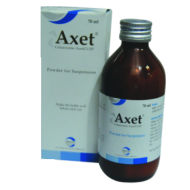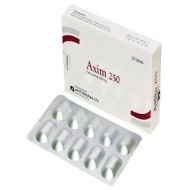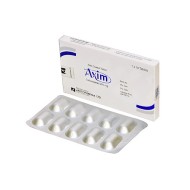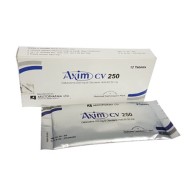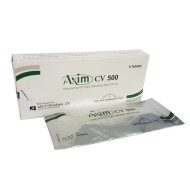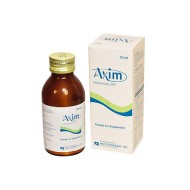
- Stock: In Stock
- Brand: Aristopharma
- Product ID: Cefuroxime Axetil + Clavulanic Acid
🔒 100% Secure Payment | bKash | Nagad | SSLCommerz | COD
⭐ Become a FREE Member: 7% Extra Savings • Free Delivery • Refill Reminders • Priority Support
This Item is for pre order
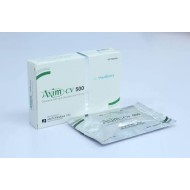
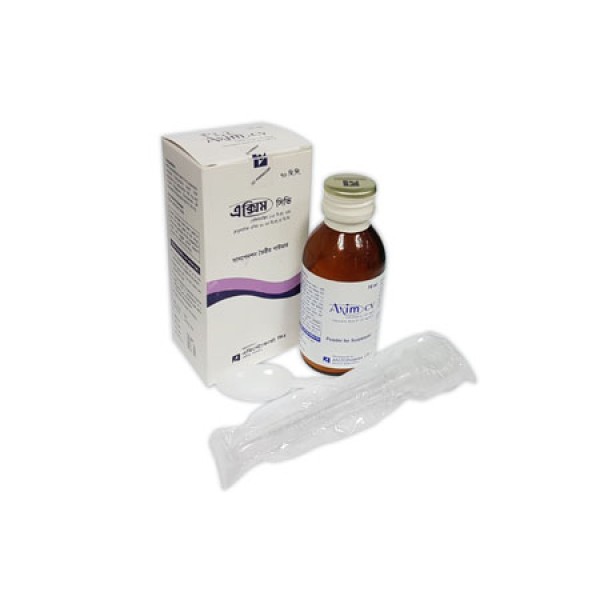
Axim CV 70 ml Suspension (Cefuroxime Axetil + Clavulanic Acid) — Clinical Overview
| Brand Name | Axim CV 70 ml Susp |
|---|---|
| Generic Name | Cefuroxime Axetil + Clavulanic Acid |
| Manufacturer | ACI Limited, Bangladesh |
| Strength | Cefuroxime 125 mg + Clavulanic Acid 31.25 mg per 5 ml |
| Dosage Form | Powder for Oral Suspension |
| Pack Size | 70 ml when reconstituted |
| Drug Class | 2nd-Generation Cephalosporin + Beta-Lactamase Inhibitor |
| Prescription Status | Prescription Only Medicine (POM) |
What is Axim CV Suspension?
Axim CV 70 ml is a paediatric antibiotic suspension manufactured by ACI Limited, Bangladesh. It combines two active ingredients: cefuroxime axetil (a second-generation cephalosporin antibiotic) and clavulanic acid (a beta-lactamase inhibitor). This dual combination is designed to tackle infections caused by bacteria that produce beta-lactamase enzymes — enzymes that would otherwise destroy cefuroxime and render it ineffective.
Axim CV is the beta-lactamase-protected paediatric formulation within ACI's Axim range, distinct from plain Axim Suspension (cefuroxime alone). It is used when clinicians suspect or have identified beta-lactamase-producing bacteria, particularly in resistant upper and lower respiratory tract infections or ear infections that have not responded to first-line antibiotics.
Mechanism of Action
Cefuroxime axetil is an ester prodrug that is hydrolysed after oral absorption to the active cefuroxime, which then inhibits bacterial cell wall synthesis by binding to penicillin-binding proteins (PBPs) — enzymes essential for the final cross-linking steps of peptidoglycan synthesis. Loss of cell wall integrity causes bacterial lysis and death. Clavulanic acid irreversibly inhibits a broad spectrum of beta-lactamase enzymes produced by resistant organisms such as H. influenzae and M. catarrhalis, protecting cefuroxime from hydrolysis and restoring its antibacterial activity against these producers.
Indications — When is Axim CV Prescribed?
Axim CV Suspension is indicated in paediatric patients for infections due to suspected or confirmed beta-lactamase-producing organisms:
- Acute otitis media (AOM): Middle ear infections in children — particularly second-line use when amoxicillin has failed, due to H. influenzae or M. catarrhalis resistance
- Acute bacterial sinusitis: Upper respiratory sinus infections failing first-line therapy
- Community-acquired pneumonia (CAP) — mild cases: Where beta-lactamase-producing organisms are suspected
- Acute exacerbations of chronic bronchitis in older paediatric patients
- Skin and soft tissue infections: Impetigo, infected wounds, cellulitis due to susceptible Staphylococcus or Streptococcus strains
Dosage and Administration
- Standard paediatric dose: 30 mg/kg/day of cefuroxime component in two divided doses (every 12 hours)
- Acute otitis media / sinusitis: 30 mg/kg/day in 2 divided doses × 10 days (maximum 500 mg cefuroxime/dose)
- Reconstitute with the volume of water specified on the label; shake well before each dose
- Administer immediately after food — food significantly improves cefuroxime axetil absorption (bioavailability doubles with food)
- Refrigerate reconstituted suspension (2–8°C); use within 10 days; do not freeze
- Discard any unused suspension after 10 days
Key Difference: Axim CV vs Plain Axim Suspension
| Feature | Axim Suspension (Plain) | Axim CV Suspension |
|---|---|---|
| Active Ingredient | Cefuroxime Axetil 125 mg/5 ml | Cefuroxime Axetil 125 mg + Clavulanic Acid 31.25 mg per 5 ml |
| Beta-Lactamase Coverage | Susceptible to beta-lactamase-producing organisms | Protected — clavulanate inhibits beta-lactamases |
| First-line use | Yes, for susceptible organisms | Second-line or when resistance suspected |
| GI side effects | Moderate | Higher diarrhoea risk (clavulanate adds GI load) |
Special Considerations in Diabetic Children
Children with Type 1 diabetes or secondary diabetes from conditions like cystic fibrosis require particular attention during antibiotic therapy:
- Blood glucose monitoring: Infections increase counter-regulatory hormones (cortisol, glucagon), raising blood glucose. More frequent monitoring is recommended during the treatment course.
- Appetite and food intake: Axim CV must be given with food for adequate absorption. Coordinate with meal and insulin timing carefully to avoid post-dose hypoglycaemia if the child does not eat well.
- Diarrhoea risk: Clavulanic acid increases GI motility and diarrhoea risk compared to plain cefuroxime. Diarrhoea in a diabetic child can cause fluid and electrolyte imbalances, affect carbohydrate absorption, and destabilise glucose control. Ensure adequate hydration.
- Gut microbiome: Antibiotic use disrupts intestinal flora; consider probiotic supplementation after completing the course.
Side Effects
- Common: Diarrhoea, nausea, vomiting, abdominal pain (more frequent than with plain cefuroxime due to clavulanate)
- Uncommon: Candidal superinfection (oral thrush, nappy rash), rash
- Rare: Hypersensitivity reactions (urticaria, anaphylaxis), liver enzyme elevations, cholestatic jaundice
- Very rare: Clostridioides difficile-associated diarrhoea (CDAD)
Contraindications
- Known hypersensitivity to cephalosporins, penicillins, or other beta-lactam antibiotics
- Penicillin allergy (use with caution; cross-reactivity risk ~1–2%)
- Previous history of jaundice/hepatic dysfunction associated with amoxicillin-clavulanate or cefuroxime
Reconstitution Instructions
- Tap the bottle to loosen powder
- Add the specified volume of cooled boiled water in two portions, shaking vigorously after each addition
- Allow to stand for 5 minutes, then shake again to ensure uniform suspension
- Refrigerate; shake well before each use
- Use within 10 days of reconstitution; discard remaining suspension after 10 days
Frequently Asked Questions (FAQ)
Why is Axim CV prescribed instead of plain Axim Suspension?
Axim CV contains clavulanic acid in addition to cefuroxime. Clavulanic acid inhibits beta-lactamase enzymes produced by resistant bacteria (particularly H. influenzae and M. catarrhalis), protecting cefuroxime from being broken down. It is preferred when infections involve suspected beta-lactamase-producing organisms, or when first-line antibiotics have failed — most commonly in otitis media and sinusitis.
How long after reconstitution can Axim CV Suspension be used?
Reconstituted Axim CV Suspension must be refrigerated (2–8°C) and used within 10 days. Discard any remaining suspension after 10 days even if some is left in the bottle. Do not freeze the suspension.
Should Axim CV Suspension be given with food?
Yes — Axim CV must be given immediately after food or with a meal. Food nearly doubles the absorption of cefuroxime axetil. Always shake the bottle well before measuring each dose.
Is Axim CV Suspension safe for children with diabetes?
Yes, but with close monitoring. Diabetic children should have more frequent blood glucose checks during the treatment course, as the underlying infection raises blood glucose. Coordinate meal, dose, and insulin timing carefully. Monitor for diarrhoea (more common with the clavulanate component) as it can affect glucose control and hydration in diabetic children.