- Stock: Pre-Order
- Brand: Aristopharma
- Product ID: Ceftriaxone
🔒 100% Secure Payment | bKash | Nagad | SSLCommerz | COD
⭐ Become a FREE Member: 7% Extra Savings • Free Delivery • Refill Reminders • Priority Support
This Item is for pre order
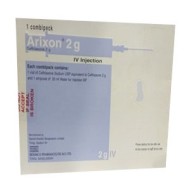
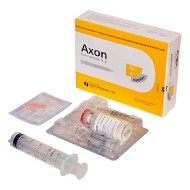
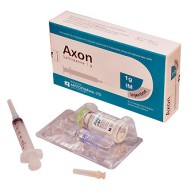
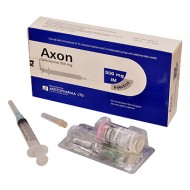
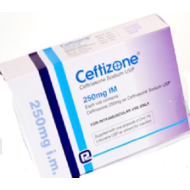
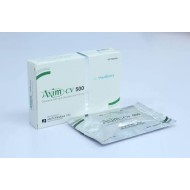
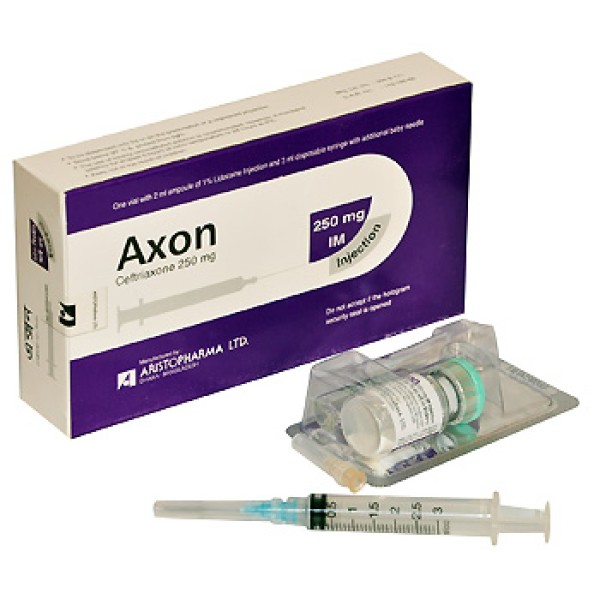
Axon IM 250 mg Injection (Ceftriaxone 250 mg) — IM Formulation
| Brand Name | Axon IM 250 mg IV Injection |
|---|---|
| Generic Name | Ceftriaxone Sodium |
| Manufacturer | ACI Limited, Bangladesh |
| Strength | 250 mg per vial |
| Dosage Form | Powder for Injection (IM/IV) |
| Drug Class | Third-Generation Cephalosporin Antibiotic |
| Primary Route | Intramuscular (IM) |
| Prescription Status | Prescription Only Medicine (POM) |
About Axon IM 250 mg Injection
Axon IM 250 mg Injection is a ceftriaxone sodium 250 mg formulation by ACI Limited, Bangladesh, presented for intramuscular (IM) delivery as the primary route of administration. At this dose, ceftriaxone IM is the treatment of choice for specific clinical scenarios where the 250 mg single-dose or lower daily-dose approach is clinically appropriate — most prominently, single-dose treatment of uncomplicated gonorrhoea (recommended by WHO and Bangladesh's National STI guidelines), paediatric infections in lower-weight patients, and selected outpatient infection scenarios where a lower dose achieves adequate treatment.
The IM route at 250 mg is practical, fast, and requires no IV access — the entire dose is contained in a small volume after reconstitution with 1% lidocaine, making this the most convenient delivery format for single-dose gonorrhoea treatment in STI clinics and primary healthcare settings throughout Bangladesh.
Primary Indications for 250 mg IM
- Uncomplicated gonorrhoea (urethral, cervical, rectal): Single 250 mg IM dose — this is the WHO Treatment Guidelines-recommended first-line treatment for N. gonorrhoeae in the era of rising fluoroquinolone resistance. Typically combined with azithromycin 1 g oral single dose for dual therapy (covering concurrent chlamydia infection)
- Gonococcal ophthalmia neonatorum prophylaxis: 25–50 mg/kg IM (max 125 mg) in neonates born to mothers with gonorrhoea — one of the most time-sensitive neonatal antibiotic indications
- Paediatric infections (low-weight children 2.5–5 kg): Weight-based dosing at 50–100 mg/kg/day may yield a 250 mg once-daily dose in very young infants and small children with serious infections
- Surgical prophylaxis (low-risk): 250 mg pre-operative IM dose for select clean surgical procedures; evidence base supports prophylaxis at doses from 250 mg in some protocols
- Mild gram-negative infections in outpatient settings: Where a single initial parenteral dose is warranted to achieve rapid bactericidal concentrations before transitioning to oral therapy
Reconstitution and IM Administration
- Lidocaine reconstitution: Add 0.9 ml of 1% lidocaine HCl injection (without adrenaline) to the 250 mg vial; shake to dissolve completely
- Volume for injection: Approximately 1.0 ml — minimal volume, well-tolerated at a single IM site
- Injection site: Upper outer quadrant of gluteus maximus, ventrogluteal, or vastus lateralis (thigh); 21–23G needle
- Important: 1% lidocaine without adrenaline must be used — never with adrenaline (epinephrine), as this is not safe for IM antibiotic reconstitution
- Administer immediately: Reconstituted solutions should be used within 30 minutes for best stability and sterility assurance
- Single-dose applications: For gonorrhoea treatment, the 250 mg IM dose is given once only — no repeat dosing required if the patient follows test-of-cure recommendations
Gonorrhoea Treatment — Context for Bangladesh
Gonorrhoea caused by Neisseria gonorrhoeae is a notifiable sexually transmitted infection in Bangladesh. Resistance to earlier first-line treatments (penicillin, tetracycline, fluoroquinolones) has progressively eroded their utility, making injectable ceftriaxone 250 mg the most reliable treatment available:
- Single-dose IM ceftriaxone eliminates the adherence problem associated with multi-day oral regimens
- Treatment failure with 250 mg ceftriaxone is rare for pharyngeal and genital gonorrhoea; re-culture after 7 days (test-of-cure) is recommended if symptoms persist
- Partner notification and treatment is an essential component of gonorrhoea management
- Patients with diabetes are not at particular increased risk of gonorrhoea, but any concurrent STI in a diabetic patient may impair glycaemic control — treat promptly and reinforce safe sexual health practices
Frequently Asked Questions (FAQ)
Is 250 mg ceftriaxone IM effective for gonorrhoea?
Yes — a single 250 mg IM dose of ceftriaxone is the WHO-recommended and nationally guideline-endorsed first-line treatment for uncomplicated gonorrhoea (urethral, cervical, rectal, and pharyngeal) in Bangladesh and globally. It achieves bactericidal concentrations against Neisseria gonorrhoeae far exceeding the MIC for virtually all currently circulating strains. It is typically combined with a single oral dose of azithromycin 1 g to cover concurrent chlamydial infection, which is present in approximately 20–40% of gonorrhoea cases.
Why is 250 mg used for gonorrhoea when higher doses are used for other infections?
Neisseria gonorrhoeae is highly susceptible to ceftriaxone, with a minimum inhibitory concentration (MIC) far below the plasma and tissue concentrations achieved by a single 250 mg IM dose. Higher doses (1 g, 2 g) are needed for less susceptible organisms or infections at sites that require greater drug penetration (such as the CNS for meningitis). For gonorrhoea limited to genital, rectal, or most pharyngeal sites, 250 mg provides more than adequate bactericidal exposure. Some international guidelines have updated the recommended gonorrhoea dose to 500 mg due to emerging resistance — follow current national guidelines and specialist advice.
What should be done if gonorrhoea symptoms persist after 250 mg ceftriaxone IM?
If symptoms persist or recur after 7 days, a test-of-cure is essential — obtain urethral or cervical swabs for gonorrhoea culture and sensitivity testing. Treatment failure or reinfection should be investigated. In confirmed treatment failure, refer to an infectious disease specialist or sexual health clinic for guidance on alternative antibiotic regimens. Ensure partner(s) have also been appropriately tested and treated to exclude reinfection as the cause of symptom recurrence.
Can Axon IM 250 mg be given to children?
Yes — ceftriaxone is used in paediatric infections at weight-based doses of 50–100 mg/kg/day (once daily). A 250 mg dose falls within the appropriate weight-based range for children weighing approximately 2.5–5 kg (at 50–100 mg/kg). For neonates (under 28 days), ceftriaxone must be used with caution — it displaces bilirubin from albumin and can worsen neonatal jaundice (hyperbilirubinaemia). Do not use ceftriaxone with calcium-containing IV fluids in neonates. Paediatric dosing decisions must always be made by a qualified paediatrician.