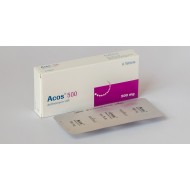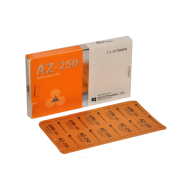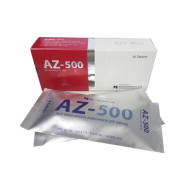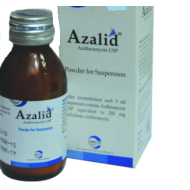
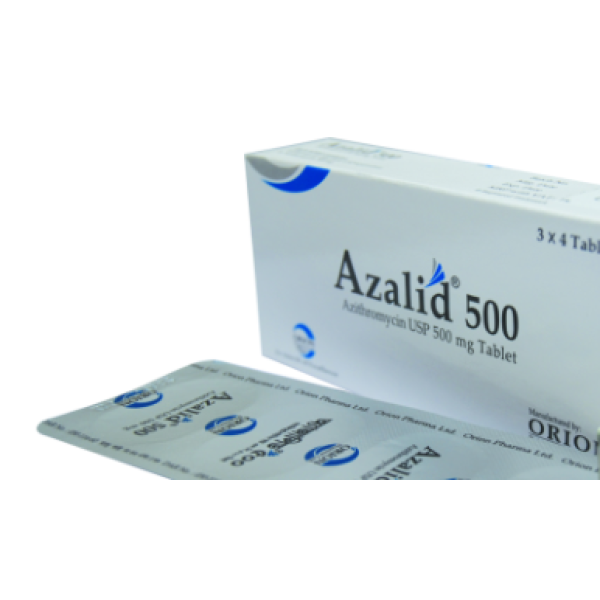
- Stock: In Stock
- Brand: Orion Pharma Limited
- Product ID: Azithromycin
🔒 100% Secure Payment | bKash | Nagad | SSLCommerz | COD
⭐ Become a FREE Member: 7% Extra Savings • Free Delivery • Refill Reminders • Priority Support
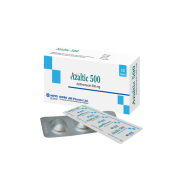
Azalid 500mg Tablet Overview
| Generic Name | Azithromycin |
|---|---|
| Strength | 500mg |
| Dosage Form | Tablet |
| Manufacturer | Orion Pharma Limited |
| Therapeutic Class | Macrolide Antibiotic |
| Price | ৳45 |
What Is Azalid 500mg Tablet?
Azalid 500mg is Orion Pharma's higher-strength azithromycin tablet, commonly used for shorter treatment courses (often 3 days instead of the standard 5-day regimen) or for infections that require a single, higher daily dose.
Why the 500mg Strength Is Often Preferred for Short Courses
Because azithromycin has a long tissue half-life, a 500mg once-daily dose for 3 days can achieve similar overall drug exposure to a 5-day course of 250mg tablets. This makes the 500mg tablet a convenient option when adherence over a shorter period is preferred, such as for community-acquired pneumonia or certain sexually transmitted infections.
Mechanism of Action
Azithromycin inhibits bacterial protein synthesis by binding to the 50S ribosomal subunit, preventing bacteria from multiplying. This action, combined with high tissue penetration, allows the drug to remain effective at the infection site well after the last dose is taken.
Approved Indications
This tablet is used for community-acquired pneumonia, acute bacterial exacerbations of chronic bronchitis, acute bacterial sinusitis, pharyngitis/tonsillitis, uncomplicated skin infections, and as a single-dose option for certain sexually transmitted infections such as chlamydia.
Dosing Guidance
Common regimens include 500mg once daily for 3 days for respiratory infections, or a single 1g dose (typically as two 500mg tablets) for uncomplicated genital chlamydia infection, as directed by your physician.
Administration With Food
This tablet can be taken with or without food. If stomach upset occurs, taking it with a light meal may help reduce discomfort without significantly affecting absorption.
Side Effects
Common side effects include diarrhea, nausea, abdominal pain, and headache. Rare but serious effects include allergic reactions, liver function changes, and abnormal heart rhythms, particularly in patients with existing cardiac risk factors.
Drug Interactions
Avoid taking aluminum or magnesium-based antacids within 2 hours of this tablet. Use caution with other QT-prolonging drugs and inform your doctor if you are taking warfarin or ergot-derivative medications.
Precautions for Diabetic Patients
Patients with diabetes undergoing treatment with this antibiotic should monitor blood glucose more closely during the infection and treatment period, as acute illness can affect glycemic control independent of the medication itself.
Storage
Store below 30°C in a dry place away from direct sunlight, and keep out of reach of children.
Frequently Asked Questions
- Q1: Why would a doctor prescribe a 3-day, 500mg course instead of a 5-day, 250mg course?
- A1: Both regimens deliver similar total drug exposure due to azithromycin's long half-life; the 3-day option may be chosen for convenience or specific infection types where shorter dosing is supported by clinical guidelines.
- Q2: Can this tablet be used for a single-dose treatment?
- A2: Yes, for certain infections such as uncomplicated chlamydia, a single 1g dose (two 500mg tablets) may be prescribed; follow your doctor's specific instructions.
- Q3: Is it safe to take this with my diabetes medications?
- A3: Azithromycin does not have major known interactions with most standard diabetes medications, but always inform your doctor of all medicines you are taking to rule out individual risks.
- Q4: What should I do if I experience diarrhea while on this medication?
- A4: Mild diarrhea is common and often resolves on its own; stay hydrated and contact your doctor if it becomes severe, persistent, or bloody.
Medical Disclaimer: This information is provided for educational purposes only and does not replace professional medical advice. Always consult a registered physician or pharmacist before starting, stopping, or changing any medication.