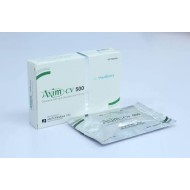
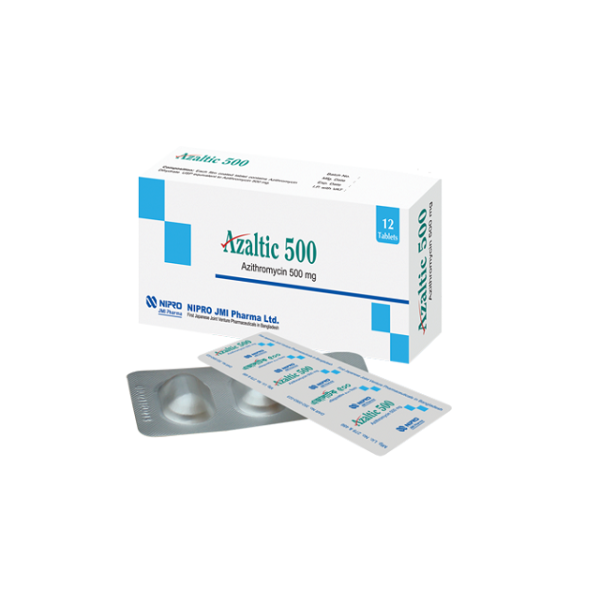
- Stock: In Stock
- Brand: NIPRO JMI Pharma Ltd.
- Product ID: Azithromycin
🔒 100% Secure Payment | bKash | Nagad | SSLCommerz | COD
⭐ Become a FREE Member: 7% Extra Savings • Free Delivery • Refill Reminders • Priority Support
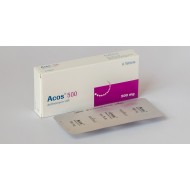
Azaltic 500 mg Tablet (Azithromycin 500mg) — Clinical Overview
| Attribute | Details |
|---|---|
| Brand Name | Azaltic 500 |
| Generic Name | Azithromycin |
| Strength | 500 mg |
| Dosage Form | Film-coated Tablet |
| Drug Class | Macrolide Antibiotic (Azalide) |
| Manufacturer | NIPRO JMI Pharma Ltd., Bangladesh |
| Route of Administration | Oral (may be taken with or without food) |
About Azaltic 500 mg Tablet
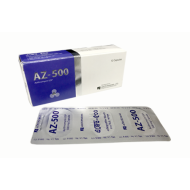
Azaltic 500 mg Tablet contains azithromycin 500mg as a film-coated oral tablet, manufactured by NIPRO JMI Pharma Ltd., Bangladesh — a WHO-GMP certified pharmaceutical manufacturer operating under Japanese technical collaboration. NIPRO JMI is committed to producing high-quality, affordable generic medicines meeting international quality standards. Azaltic 500 is the brand name for azithromycin 500mg in NIPRO JMI's portfolio, complementing the Azaltic suspension for paediatric use.
As a film-coated tablet, Azaltic 500 mg can be taken with or without food — this is an important distinction from azithromycin hard gelatin capsules, which require strict administration on an empty stomach to achieve adequate absorption. The film coating also improves tablet integrity during storage in Bangladesh's tropical climate (high temperature and humidity) and makes swallowing easier for adults.
Clinical Role in Antibiotic Prescribing Decisions
Azithromycin 500mg occupies a specific clinical niche in antibiotic prescribing. Prescribing decision guide: choose azithromycin (Azaltic 500mg) when the suspected pathogen is an atypical organism (Mycoplasma pneumoniae, Chlamydophila pneumoniae, Legionella pneumophila, Chlamydia trachomatis, Ureaplasma urealyticum, Bordetella pertussis); when the patient has penicillin allergy and requires treatment for a penicillin-susceptible organism; for community-acquired pneumonia where atypical coverage is needed alongside a beta-lactam; for sexually transmitted infections where azithromycin is guideline-recommended; for typhoid fever in settings with fluoroquinolone resistance; and for traveller's diarrhoea caused by Campylobacter or azithromycin-susceptible E. coli. Choose beta-lactams (amoxicillin, ampicillin, cephalosporins) over azithromycin for: suspected pneumococcal pneumonia (macrolide resistance is high); dental infections as first line; uncomplicated urinary tract infections (azithromycin has poor urinary excretion); and skin infections caused by known MRSA.
Azithromycin's Post-Antibiotic Effect and Dosing Rationale
A clinically important property of azithromycin is its pronounced post-antibiotic effect (PAE) — defined as continued suppression of bacterial growth after drug concentrations fall below the minimum inhibitory concentration (MIC). Azithromycin's PAE against susceptible organisms ranges from 2 to 5 hours at the MIC, and is even more pronounced at concentrations achieved in tissues (intracellular concentrations up to 700 times plasma). This extended PAE, combined with the drug's long tissue half-life of approximately 68 hours, explains why once-daily dosing and short 3-day courses are clinically effective for infections that would require 10 days of treatment with older antibiotics. For azithromycin 500mg once daily × 3 days (total 1500mg), tissue bactericidal activity continues for approximately 7–10 days after the last dose, providing an effective 10-day treatment course with only 3 doses — a major compliance advantage in Bangladesh's outpatient setting.
Resistance Surveillance — Bangladesh Context
Azithromycin resistance patterns relevant to Bangladesh clinical practice: Streptococcus pneumoniae macrolide resistance is estimated at 20–35% in South Asian surveillance data — azithromycin monotherapy for presumed pneumococcal pneumonia risks failure in a significant minority of patients; combination with a beta-lactam is recommended for hospitalised pneumonia. Salmonella typhi azithromycin susceptibility remains high (>95% in most surveillance studies), making azithromycin one of the most reliable oral treatments for typhoid in Bangladesh. Neisseria gonorrhoeae azithromycin resistance is rising globally and in Bangladesh — azithromycin monotherapy for gonorrhoea is no longer recommended; use ceftriaxone. Helicobacter pylori macrolide resistance in Bangladesh is estimated at 30–50%+, limiting empirical use of azithromycin in H. pylori eradication regimens. Campylobacter jejuni remains largely azithromycin-susceptible in Bangladesh (>80%), making azithromycin the drug of choice for severe or prolonged Campylobacter gastroenteritis.
Frequently Asked Questions (FAQ)
Q1: Can Azaltic 500 mg Tablet be used for upper respiratory tract infections (common cold, sore throat)?
Azaltic 500 mg Tablet — or any antibiotic — is not effective against viral upper respiratory tract infections such as the common cold, viral pharyngitis, or viral rhinosinusitis. These infections are caused by viruses (rhinovirus, coronavirus, adenovirus) that are completely unaffected by antibiotics. Prescribing azithromycin for a viral URI exposes the patient to antibiotic side effects, costs, and contributes to macrolide resistance without any therapeutic benefit. Azaltic 500 is appropriate for bacterial pharyngitis (Group A Strep confirmed or highly suspected), bacterial sinusitis (symptoms persisting beyond 10 days without improvement or worsening), or lower respiratory infections with atypical pathogen features.
Q2: Is it safe to take Azaltic 500 mg Tablet during Ramadan fasting?
Yes — Azaltic 500 mg can be taken during Ramadan with a glass of water at the time of breaking the fast (Iftar) or before the pre-dawn meal (Sehri), as the tablet can be taken with or without food. Once-daily dosing makes it easy to fit into Ramadan schedules. Medication taken by mouth for medical purposes does not break the fast according to mainstream Islamic scholarly opinion. Patients with infections requiring antibiotic treatment should continue their prescribed course during Ramadan. If nausea is a concern, taking the tablet with Iftar food is acceptable and does not significantly reduce efficacy.
Q3: Why does my doctor sometimes prescribe Azaltic 500 mg alongside amoxicillin for pneumonia?
For community-acquired pneumonia, current international guidelines recommend a combination of a beta-lactam antibiotic (amoxicillin, co-amoxiclav, or a cephalosporin) plus a macrolide like azithromycin. This dual-antibiotic approach provides: beta-lactam coverage for typical pneumococcal and Haemophilus pneumonia; azithromycin coverage for atypical organisms (Mycoplasma, Legionella, Chlamydophila) that beta-lactams cannot treat; and in severe pneumonia, combination therapy has been associated with lower mortality in multiple observational studies. This is a recognised clinical indication for combination prescribing, not polypharmacy.
Q4: Can Azaltic 500 mg Tablet be split or crushed for easier swallowing?
Splitting or crushing film-coated tablets is generally not recommended. The film coating is designed to protect against gastric acid, control dissolution rate, and improve taste. Crushing destroys these properties, may expose the patient to a bitter taste, and potentially alters the drug's bioavailability. For patients who cannot swallow tablets, the Azaltic suspension formulation is the appropriate alternative and can be taken with food. If no suspension is available, consult a pharmacist before crushing any film-coated tablet.
Medical Disclaimer: Azaltic 500 mg Tablet is a prescription-only antibiotic. Clinical decisions regarding antibiotic prescribing must be made by a qualified physician based on clinical assessment, microbiological data where available, and current evidence-based guidelines. Antibiotic overuse is a major driver of antimicrobial resistance in Bangladesh.