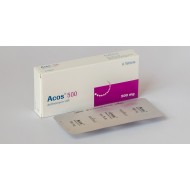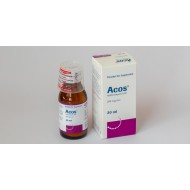
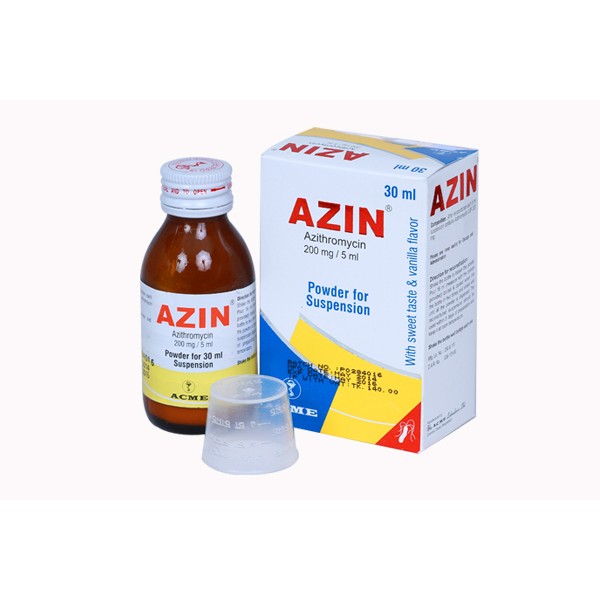
- Stock: Out Of Stock
- Brand: Acme Laboratories Limited
- Product ID: Azithromycin
🔒 100% Secure Payment | bKash | Nagad | SSLCommerz | COD
⭐ Become a FREE Member: 7% Extra Savings • Free Delivery • Refill Reminders • Priority Support
This Item is for pre order
Azin 30ml Suspension — Azithromycin 200mg/5ml by Acme Laboratories for Mid-Range Paediatric Courses
| Attribute | Details |
|---|---|
| Brand Name | Azin |
| Generic Name | Azithromycin |
| Strength | 200 mg / 5 mL |
| Dosage Form | Oral Suspension (after reconstitution) |
| Pack Size | 30 mL bottle |
| Total Azithromycin | 1200 mg per bottle |
| Drug Class | Macrolide Antibiotic (Azalide) |
| Manufacturer | Acme Laboratories Limited, Bangladesh |
About Azin 30ml Suspension
Azin 30ml Suspension contains azithromycin 200 mg per 5 mL manufactured by Acme Laboratories Limited, Bangladesh. The 30 mL bottle provides a total of 1200 mg azithromycin — precisely sized for a complete 5-day course in children of 24 kg (1200mg = 240mg/day × 5 days) or a 3-day course for children up to 40 kg (1200mg = 400mg/day × 3 days). Acme Laboratories, founded in 1954, is one of the most established pharmaceutical manufacturers in Bangladesh, with extensive experience in paediatric oral liquid formulations. Azin suspension is produced to international quality standards with carefully selected sweeteners and stabilisers to ensure palatability and shelf stability after reconstitution.
Dosing Table for Azin 30ml Suspension at 10mg/kg/day
| Child Weight | Daily Dose (10mg/kg) | Volume/Day | 3-day course | 5-day course |
|---|---|---|---|---|
| 10 kg | 100 mg | 2.5 mL | 7.5 mL ✓ | 12.5 mL ✓ |
| 14 kg | 140 mg | 3.5 mL | 10.5 mL ✓ | 17.5 mL ✓ |
| 18 kg | 180 mg | 4.5 mL | 13.5 mL ✓ | 22.5 mL ✓ |
| 20 kg | 200 mg | 5 mL | 15 mL ✓ | 25 mL ✓ |
| 24 kg | 240 mg | 6 mL | 18 mL ✓ | 30 mL ✓ (exact) |
| 28 kg | 280 mg | 7 mL | 21 mL ✓ | 35 mL ✗ need 50mL |
The 30mL bottle is the optimal size for children aged approximately 3–8 years (typical weight 10–24 kg) completing 5-day courses, or for children up to about 40 kg completing 3-day courses.
Chlamydia Pneumoniae and Respiratory Infections in Children
Chlamydophila pneumoniae (formerly Chlamydia pneumoniae) is an obligate intracellular bacterium that causes atypical pneumonia and prolonged cough syndromes in school-age children and adolescents. Like Mycoplasma pneumoniae, it lacks a cell wall and is intrinsically resistant to beta-lactam antibiotics. Distinguishing features of Chlamydophila pneumoniae respiratory infection: hoarse voice or laryngitis in addition to cough; gradual onset over 1–3 weeks; mild systemic illness with persistent dry cough; radiological findings of patchy infiltrates without lobar consolidation; possible association with exacerbation of asthma in susceptible children. Azithromycin is the first-line treatment for Chlamydophila pneumoniae respiratory infections in children and adults, with documented intracellular tissue concentrations many times higher than plasma levels — essential for effective treatment of intracellular pathogens. For children 10–24 kg: Azin 30ml Suspension at 10mg/kg/day × 5 days provides the complete azithromycin course for Chlamydophila respiratory infection.
Step-Down Therapy: From IV Antibiotics to Oral Azin Suspension
Children hospitalised with severe pneumonia or other bacterial infections often begin treatment with intravenous (IV) antibiotics. Once clinical improvement is established — typically defined as: temperature normalising for 24 hours, improving respiratory rate, no vomiting, tolerating oral intake, and stable oxygen saturation — guidelines recommend switching from IV to oral antibiotic therapy (step-down therapy). Azithromycin oral suspension is a common step-down agent when IV azithromycin has been used, as it provides bioequivalent drug exposure by the oral route. For moderate-severity paediatric CAP managed initially with IV azithromycin, Azin 30ml Suspension enables step-down in children 10–24 kg, completing the remaining course at home after hospital discharge. This approach reduces hospital length of stay, lowers healthcare costs, and reduces the risk of hospital-acquired infections — with equivalent clinical outcomes to completing the full IV course.
Frequently Asked Questions (FAQ)
Q1: How do I reconstitute the Azin 30ml suspension correctly?
Reconstitution procedure for Azin 30ml Suspension: (1) Tap the bottle gently to loosen the powder from the base. (2) Check the label for the specific volume of water to add — the label specifies exactly how much cooled, boiled water to add to reach the 30mL final volume. (3) Add approximately half the specified water, close the bottle with the cap, and shake vigorously for 15–20 seconds until the powder is fully dispersed. (4) Add the remaining water, recap, and shake again for 30 seconds until uniformly mixed. (5) Allow to stand for 5 minutes, then shake once more before measuring the first dose. Do not add more water than specified — over-dilution reduces drug concentration and results in under-dosing. Shake well before every dose (the suspension settles between uses).
Q2: My child was prescribed Azin suspension and the pharmacist says it's the same as another brand — is that true?
Generic equivalence: Azin 30ml Suspension (Acme) and other brands of azithromycin 200mg/5mL suspension are bioequivalent — they contain the same active ingredient at the same concentration and deliver equivalent drug exposure. Differences between brands may include flavour/sweetener formulations, bottle design, and excipient composition. None of these differences affect clinical efficacy. If your child has shown allergy or intolerance to a specific excipient (e.g., a particular dye or sweetener), check the inactive ingredients listed on each brand's package insert with your pharmacist. For clinically uncomplicated cases, switching between bioequivalent brands mid-course is generally acceptable if the dose in mg/kg remains the same.
Q3: Can Azin 30ml suspension be used for impetigo in children?
Yes — azithromycin suspension is effective for impetigo (superficial skin infection caused by Staphylococcus aureus or Streptococcus pyogenes) when systemic antibiotic treatment is indicated. Indications for systemic antibiotics in impetigo: widespread lesions covering multiple areas of the body; impetigo with systemic signs (fever, lymphadenopathy); bullous impetigo; or impetigo that has failed to respond to topical antibiotics (mupirocin, fusidic acid). Azithromycin dose for impetigo in children: 10mg/kg/day × 5 days. Note: topical antibiotics alone (mupirocin cream) are preferred for limited, non-spreading impetigo lesions — systemic azithromycin is reserved for more extensive or complicated cases, or where topical therapy is impractical.
Q4: After the course is finished, what should I do with leftover Azin suspension?
Any unused Azin 30ml Suspension remaining after the prescribed course is completed should be safely disposed of. Do not store reconstituted suspension for future use — it is only stable for 10 days after mixing. Disposal method: pour the remaining suspension down the sink or into the toilet; rinse the bottle with water and discard appropriately. Do not leave medicines where children can access them. Do not give leftover prescription antibiotics to other children or family members — each antibiotic prescription is individualised and sharing is dangerous. If you have remaining suspension that has not been reconstituted (powder still in the bottle), it can remain usable until the expiry date printed on the label, but requires a new prescription before any future use.
Medical Disclaimer: Azin 30ml Suspension dosing is weight-based and must be calculated by a physician or pharmacist at time of prescribing. Measure every dose with a calibrated oral syringe, not a household spoon. Discard reconstituted suspension after 10 days.