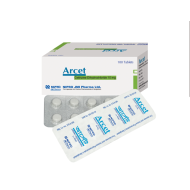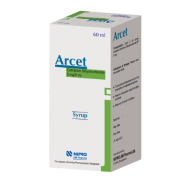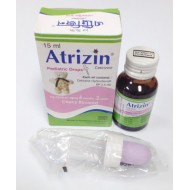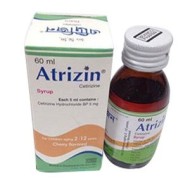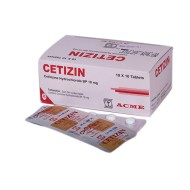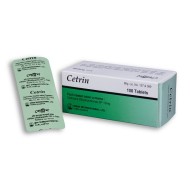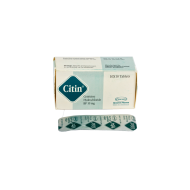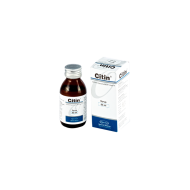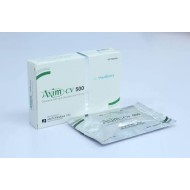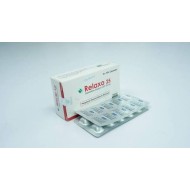

- Stock: Out Of Stock
- Brand: ACI Pharmaceuticals
- Product ID: Cetirizine Dihydrochloride
🔒 100% Secure Payment | bKash | Nagad | SSLCommerz | COD
⭐ Become a FREE Member: 7% Extra Savings • Free Delivery • Refill Reminders • Priority Support
This Item is for pre order
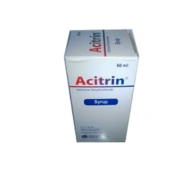
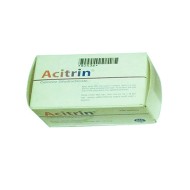
Acitrin Drops — Cetirizine 2.5mg/ml Paediatric Drops for Allergy
| Product Overview | |
|---|---|
| Brand Name | Acitrin® Paediatric Drops |
| Generic Name | Cetirizine Dihydrochloride 2.5 mg/ml (Oral Drops) |
| Manufacturer | ACI Pharmaceuticals Ltd., Bangladesh |
| Drug Class | Second-Generation Antihistamine (H1-receptor antagonist) |
| Dosage Form | Oral Drops (2.5 mg/ml) |
| Pack Size | 15ml dropper bottle |
| Route | Oral (drops counted by dropper) |
| Prescription Status | Prescription Required (Rx) |
| Storage | Store below 30°C, protected from light. Keep tightly closed. |
1. Indications
Acitrin® Drops is the paediatric formulation of cetirizine — a second-generation non-sedating antihistamine for young children with allergic conditions. Indicated for children aged 1–6 years for: seasonal and perennial allergic rhinitis (runny/itchy nose, sneezing); allergic conjunctivitis (red, itchy, watery eyes); chronic idiopathic urticaria (hives and itching); atopic eczema and allergic pruritus; insect bite reactions; and food allergy-related skin manifestations (adjunct).
The drops formulation allows precise weight-based dosing for infants and toddlers who cannot swallow tablets or tolerate full syrup volumes.
2. Mechanism of Action
Cetirizine competitively and selectively blocks peripheral histamine H1 receptors, preventing histamine from triggering allergic cascade reactions — vasodilation, vascular permeability, smooth muscle contraction, mucus secretion, and nerve stimulation (itch/sneeze reflex). As a second-generation antihistamine, cetirizine's zwitterionic structure at physiological pH limits CNS penetration, minimising sedation while maintaining full peripheral H1 blockade. Onset of antihistamine effect: within 1 hour.
3. Dosage & Administration
Children 1–2 years: 2.5mg (1ml = 10 drops) once daily. Children 2–6 years: 2.5mg twice daily or 5mg once daily. Children ≥6 years: Transition to Acitrin® Syrup or Tablet formulation.
Measuring drops: Use the calibrated dropper provided. 1ml = 10 drops = 2.5mg cetirizine. Can be administered directly into the mouth or mixed with a small amount of water/juice/infant formula. Shake well before use. Administer with or without food.
4. Side Effects
Commonly well tolerated in children. Mild drowsiness (less than chlorpheniramine). Headache, dry mouth. GI: nausea, abdominal pain (uncommon). Paradoxical excitability/agitation possible in young children (uncommon). Urinary retention rare.
5. Contraindications
Hypersensitivity to cetirizine, hydroxyzine, or excipients. Children under 1 year (safety not established). Severe renal impairment. Avoid in infants with galactose intolerance (if formulation contains lactose — check excipients).
6. Warnings & Precautions
Do not exceed recommended dose — overdose risk higher in young children due to lower body weight. Store with dropper cap tightly closed. Use calibrated dropper only — do not estimate drops. Some children may experience increased activity or sleep disturbance — monitor for paradoxical CNS effects. If drowsiness is problematic, give at bedtime.
7. Drug Interactions
Sedatives, anticonvulsants: additive CNS depression. No clinically significant interactions with common childhood medications at standard doses. Cetirizine does not inhibit CYP450 — low interaction potential.
8. Pharmacokinetics
Oral bioavailability ~70%. Tmax ~1h. Protein binding 93%. Half-life ~10h (shorter in young children — approximately 6h). Primarily renal elimination. Low CNS penetration vs first-generation agents. Once or twice-daily dosing effective in children based on half-life and age.
9. Storage
Store below 30°C in a dry place, protected from light. Keep dropper bottle tightly closed after each use. Keep out of reach of children. Do not use beyond expiry date.
10. Course Duration
For seasonal allergies: throughout the allergy season. For chronic urticaria: regular daily dosing as prescribed. For acute reactions: short course 3–7 days. Do not continue beyond prescribed period without physician review for children under 2 years.
11. Overdose
In children: drowsiness (most common) or paradoxical agitation. Supportive management. No specific antidote. Consult poison control if accidental overdose occurs.
12. Clinical Evidence
Cetirizine is the most extensively studied antihistamine in children. Multiple RCTs confirm efficacy in paediatric allergic rhinitis (CARAT trial), urticaria, and atopic dermatitis. The ETAC study (Early Treatment of the Atopic Child) showed cetirizine reduced progression to asthma in high-risk children aged 1–2 years with atopic eczema. Recommended by Bangladesh paediatric allergy guidelines as first-line antihistamine from 1 year of age.
13. Patient / Parent Counselling
Use calibrated dropper — do not estimate. Give at the same time each day; evening dosing preferred to minimise drowsiness. May be mixed with water or juice if child resists direct administration. Keep tightly closed. Report excessive sleepiness, agitation, or difficulty urinating. Not recommended under 1 year without specialist guidance.
Frequently Asked Questions (FAQ)
Q1. What age can Acitrin Drops be given to children?
Acitrin® Drops is indicated for children from 1 year of age. For infants under 12 months, antihistamines are generally not recommended without specialist guidance due to limited safety data and risk of paradoxical CNS excitation. From 1–2 years: 2.5mg once daily; from 2–6 years: 2.5mg twice daily or 5mg once daily. From age 6 onwards, transition to Acitrin® Syrup 5mg/5ml or Tablet 10mg depending on weight and symptoms.
Q2. Can Acitrin Drops be mixed with breast milk or infant formula?
Yes — cetirizine drops can be mixed with a small amount (5–10ml) of breast milk, infant formula, water, or fruit juice for easier administration. Add drops to the liquid immediately before feeding — do not prepare in advance and store. Ensure the entire measured amount is consumed. Using the dropper directly into the side of the child's mouth (buccal cavity) is also effective and avoids waste.
Q3. My child became more active after taking Acitrin Drops — is this normal?
Yes — paradoxical CNS excitation (hyperactivity, irritability, insomnia) is a known but uncommon reaction to antihistamines in young children, particularly under 5 years. This is the opposite of the drowsiness seen in older children and adults. If this occurs, consult your child's physician — a dose reduction, timing adjustment (to daytime), or switch to levocetirizine (Acitrin-L) may help. The reaction is not dangerous but can be distressing.
Q4. How is the 2.5mg/ml concentration of Acitrin Drops measured accurately?
The 15ml bottle contains a calibrated dropper (1ml = 10 drops = 2.5mg). For a 2.5mg dose, count 10 drops carefully. Hold the bottle vertically and count drops as they fall from the dropper. Do not shake or squeeze rapidly — drops may vary in size. For a 5mg dose (for children 2–6 years taking once-daily dose), count 20 drops (2ml). Write the prescribed dose in drops on the bottle label after consulting your physician to avoid errors.
⚕ Medical Disclaimer: Acitrin® Drops is a prescription paediatric antihistamine. Always consult a physician before giving to children under 2 years. Information sourced from ACI Pharmaceuticals Ltd. official prescribing data. Educational purposes only.