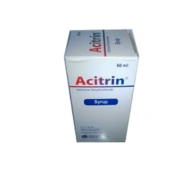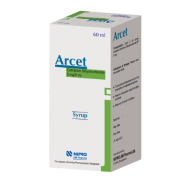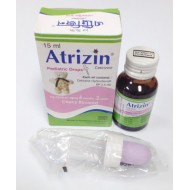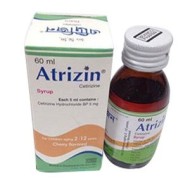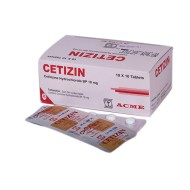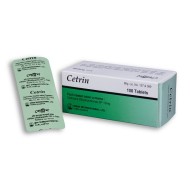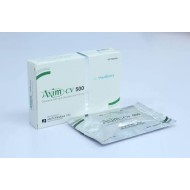
- Stock: Out Of Stock
- Brand: ACI Pharmaceuticals
- Product ID: Cetirizine Dihydrochloride
🔒 100% Secure Payment | bKash | Nagad | SSLCommerz | COD
⭐ Become a FREE Member: 7% Extra Savings • Free Delivery • Refill Reminders • Priority Support
This Item is for pre order
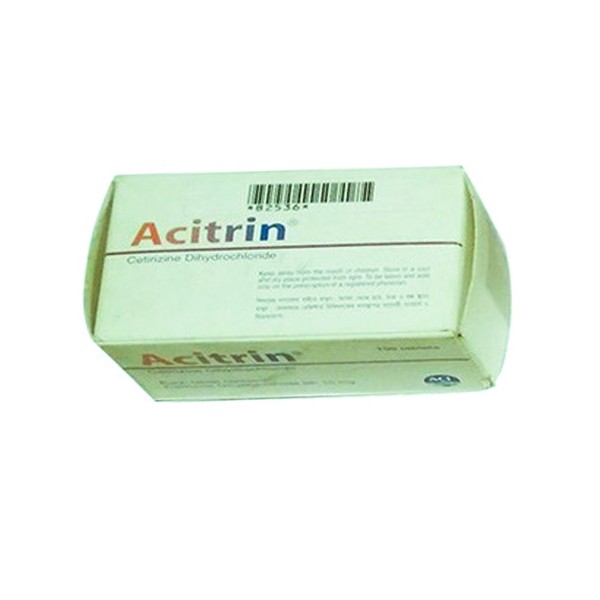
Acitrin Tablet — Cetirizine 10mg Antihistamine for Allergy Relief
| Product Overview | |
|---|---|
| Brand Name | Acitrin® Tablet |
| Generic Name | Cetirizine Dihydrochloride 10 mg |
| Manufacturer | ACI Pharmaceuticals Ltd., Bangladesh |
| Drug Class | Second-Generation Antihistamine (Non-sedating H1-receptor antagonist) |
| Dosage Form | Film-coated Tablet |
| Pack Size | 10 tablets per strip |
| Strength | 10 mg per tablet |
| Prescription Status | Prescription Required (Rx) |
| Storage | Store below 30°C, in a dry place, protected from light. |
1. Indications
Acitrin® Tablet (Cetirizine 10mg) is a second-generation antihistamine for the relief of allergic symptoms. Indicated for: seasonal allergic rhinitis (hay fever) — sneezing, runny nose, itchy/watery eyes; perennial allergic rhinitis — year-round allergy to dust mites, pet dander, mould; chronic idiopathic urticaria (hives) — itchy wheals; allergic conjunctivitis; allergic skin conditions including pruritus; insect bite reactions; and food allergy-related skin symptoms (adjunct therapy).
Diabetes relevance: Diabetic patients are more prone to skin conditions, fungal infections, and pruritus due to hyperglycaemia-related immune changes. Cetirizine is commonly needed for allergic pruritus, drug-related rash, and urticaria in diabetic patients. Its minimal sedating profile (second-generation) is preferred in diabetics who drive or operate machinery, as sedation can mask hypoglycaemia signs.
2. Mechanism of Action
Cetirizine is a selective, peripherally acting histamine H1-receptor antagonist. It competitively blocks H1 receptors on smooth muscle, secretory cells, and sensory nerves, preventing the binding of histamine released from mast cells and basophils. This inhibits vasodilation, vascular permeability, mucus secretion, sneezing, and itching that characterise allergic responses. Being a second-generation antihistamine, cetirizine has low CNS penetration — minimising sedation compared to first-generation antihistamines such as chlorpheniramine.
3. Dosage & Administration
Adults and children ≥12 years: 10mg (1 tablet) once daily. Children 6–11 years: 5mg (half tablet or syrup) once daily. Renal impairment (CrCl 11–31 ml/min): 5mg once daily. Dialysis: 5mg once daily (contraindicated if CrCl <10 ml/min). Elderly: 5–10mg once daily (use lower dose if renal function reduced).
Take with or without food. Swallow whole with water. Best taken in the evening to minimise any residual drowsiness.
4. Side Effects
Generally well tolerated. Most common: mild drowsiness (less than first-generation antihistamines), headache, dry mouth, fatigue. GI: nausea, abdominal discomfort (uncommon). Urinary retention possible in elderly men. Rarely: agitation, palpitations, elevated liver enzymes. At normal doses, does not significantly affect blood glucose in diabetic patients.
5. Contraindications
Hypersensitivity to cetirizine, hydroxyzine, or excipients; severe renal impairment (CrCl <10 ml/min); pregnancy (first trimester — consult physician); breastfeeding.
6. Warnings & Precautions
Although less sedating than first-generation antihistamines, cetirizine may still cause drowsiness in some patients — caution when driving or operating heavy machinery. Avoid alcohol (additive CNS depression). Dose reduction in renal impairment. Diabetic patients: no direct effect on blood glucose; safe with metformin, sulfonylureas, insulin, and GLP-1 agonists — no pharmacokinetic interactions reported.
7. Drug Interactions
CNS depressants (sedatives, anxiolytics, alcohol): additive drowsiness. Theophylline (high dose): slight increase in cetirizine AUC. Ritonavir: increased cetirizine exposure (reduce dose). No interactions with common diabetes medications (metformin, glibenclamide, insulin, sitagliptin, empagliflozin). Cetirizine does not inhibit CYP450 — low drug interaction potential.
8. Pharmacokinetics
Oral bioavailability ~70%. Peak plasma concentration: 1h (fasted). Protein binding 93%. Half-life ~10h (allows once-daily dosing). Primarily renal elimination (~70% unchanged in urine). Low CNS penetration vs first-generation antihistamines — accounts for minimal sedation. Onset of action: 1h; duration: 24h.
9. Storage
Store below 30°C in a dry place, protected from light and moisture. Keep out of reach of children.
10. Course Duration
For seasonal allergic rhinitis: take throughout the allergy season (pollen season). For chronic urticaria: take regularly as prescribed — benefits accumulate with consistent use. For acute urticaria or insect reactions: short course 3–7 days typically. Do not exceed prescribed dose.
11. Overdose
Symptoms: drowsiness, agitation, restlessness (children). No specific antidote. Supportive management. Gastric lavage if very recent ingestion. Not removed by dialysis.
12. Clinical Evidence
Cetirizine is among the most prescribed antihistamines globally. Multiple RCTs and meta-analyses confirm efficacy for allergic rhinitis (superior to placebo; comparable to loratadine) and chronic urticaria (EAACI guidelines recommendation). First-choice antihistamine in Bangladesh for adults due to lower sedation profile vs chlorpheniramine, affordable cost, and once-daily convenience.
13. Patient Counselling
Take once daily at a consistent time — evening dosing reduces any mild drowsiness. May cause some drowsiness in sensitive individuals — avoid driving until you know your response. Do not exceed one tablet per day. Avoid alcohol. Report persistent rash, difficulty urinating, or heart palpitations. Safe for diabetic patients — no blood sugar effect.
Frequently Asked Questions (FAQ)
Q1. Is cetirizine (Acitrin) safe for diabetic patients?
Yes — cetirizine has no effect on blood glucose levels and does not interact with any common diabetes medications (metformin, sulfonylureas, insulin, DPP-4 inhibitors, SGLT-2 inhibitors, GLP-1 agonists). It is one of the safest antihistamines for diabetic patients because its low sedation profile also means it is less likely to mask hypoglycaemia symptoms than first-generation sedating antihistamines. Dose reduction is advised in diabetic patients with significant renal impairment (CrCl <30 ml/min).
Q2. What is the difference between Acitrin (Cetirizine) and Acitrin-L (Levocetirizine)?
Levocetirizine (Acitrin-L) is the active R-enantiomer of cetirizine with approximately twice the potency — the effective dose is 5mg levocetirizine vs 10mg cetirizine. Clinical studies show levocetirizine provides similar or superior efficacy at half the dose, with potentially fewer side effects. For most patients both are effective; levocetirizine 5mg is preferred when higher potency or lower side-effect burden is needed. Both are once-daily and manufactured by ACI.
Q3. Can cetirizine be taken on an empty stomach?
Yes — cetirizine can be taken with or without food. Food does not affect its bioavailability (though it may slightly delay time to peak by about 1.7 hours). For best convenience and to minimise any drowsiness effect, taking it in the evening with or after dinner is recommended. Swallow the tablet whole with a glass of water.
Q4. How quickly does Acitrin (Cetirizine) work for allergic symptoms?
Cetirizine begins working within 1 hour of taking a dose, with maximum effect at 1–2 hours. Once-daily dosing provides 24-hour symptom control. For seasonal allergic rhinitis, consistent daily use provides better symptom control than taking it only when symptoms occur. For chronic urticaria (hives), regular daily dosing reduces recurrence and severity; relief from active wheals typically occurs within 1–2 hours of the first dose.
⚕ Medical Disclaimer: Acitrin® Tablet is a prescription antihistamine. Information sourced from ACI Pharmaceuticals Ltd. official prescribing data. For personalised medical advice, consult a qualified healthcare professional.