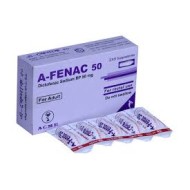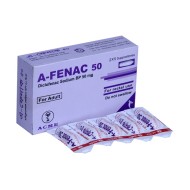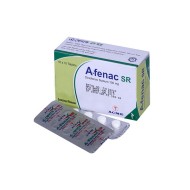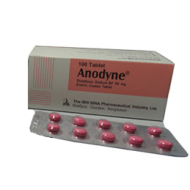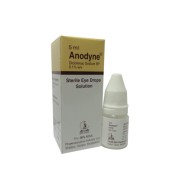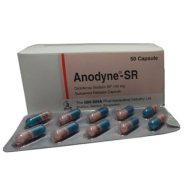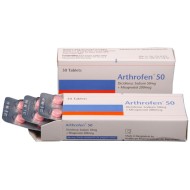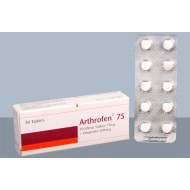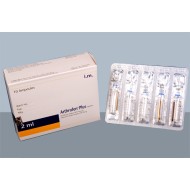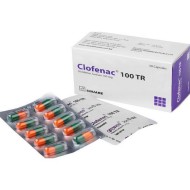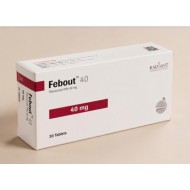
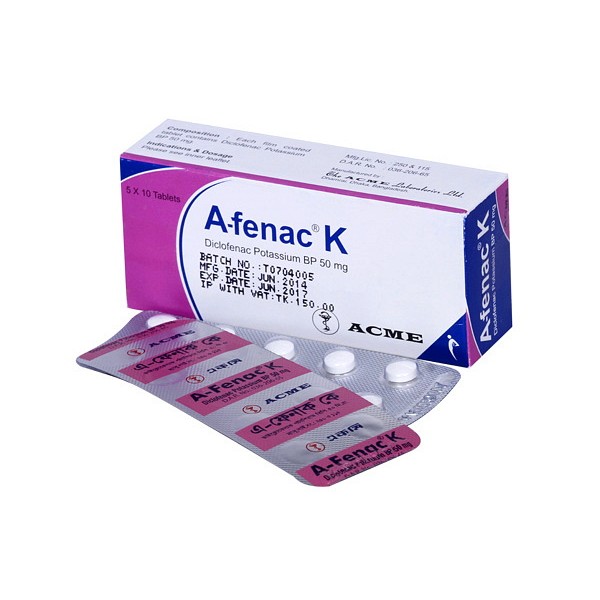
- Stock: Out Of Stock
- Brand: Acme Laboratories Limited
- Product ID: Diclofenac Potassium
🔒 100% Secure Payment | bKash | Nagad | SSLCommerz | COD
⭐ Become a FREE Member: 7% Extra Savings • Free Delivery • Refill Reminders • Priority Support
This Item is for pre order
A-Fenac K 50 mg Tablet (Diclofenac Potassium) — Product Overview
| Quick Reference | |
|---|---|
| Brand Name | A-Fenac K |
| Generic Name | Diclofenac Potassium 50 mg |
| Drug Class | NSAID (Non-Steroidal Anti-Inflammatory Drug) |
| Manufacturer | ACI Limited, Bangladesh |
| Dosage Form | Tablet (immediate-release) |
| Strength | 50 mg per tablet |
| Key Feature | Faster onset than diclofenac sodium — begins working in ~15–30 minutes |
| Storage | Below 25°C, dry place, protected from light |
| Prescription Status | Prescription Required |
What is A-Fenac K (Diclofenac Potassium)?
A-Fenac K contains Diclofenac Potassium 50 mg, the potassium salt form of diclofenac — one of the world's most widely used anti-inflammatory and analgesic (pain-relieving) medications. The key clinical advantage of diclofenac potassium over diclofenac sodium is its faster dissolution and absorption — it begins working in approximately 15–30 minutes, making it the preferred choice for acute pain. It is used for a wide range of painful and inflammatory conditions, from headaches and period pain to arthritis and post-operative pain.
Mechanism of Action
Diclofenac potassium works by inhibiting cyclooxygenase-1 (COX-1) and cyclooxygenase-2 (COX-2) enzymes, which are responsible for synthesising prostaglandins. Prostaglandins are lipid mediators that sensitise pain receptors, cause inflammation, and promote fever. By blocking their production, diclofenac reduces pain, inflammation, and fever. It also inhibits arachidonic acid release from cell membranes and has antioxidant properties not seen in all NSAIDs.
Indications
A-Fenac K 50 mg is indicated for acute pain and inflammatory conditions, including:
- Dysmenorrhoea (period pain): First-line NSAID for moderate-to-severe menstrual cramps — faster onset vs sodium form is particularly valuable here
- Migraine and tension headache: Acute treatment of moderate migraine attacks
- Dental pain: Post-extraction and peri-operative dental pain
- Post-traumatic pain: Sprains, strains, sports injuries
- Musculoskeletal pain: Back pain, neck pain, shoulder pain
- Arthritis: Rheumatoid arthritis, osteoarthritis — acute flares
- Renal colic: Acute pain from kidney stones (as adjunct)
- Post-operative pain: After minor surgical procedures
Diclofenac Potassium vs Diclofenac Sodium — What's the Difference?
Both contain the same active molecule (diclofenac) but in different salt forms. The potassium salt dissolves faster in the stomach, producing higher peak plasma levels sooner — onset is ~15–30 minutes vs ~1–2 hours for sodium. This makes A-Fenac K (potassium) preferred for acute pain requiring rapid relief. The sodium salt (A-Fenac 25mg/50mg) is preferred for chronic inflammatory conditions where sustained effect matters more than speed of onset.
Dosage and Administration
Adults: 50 mg two to three times daily. Maximum daily dose: 150 mg. For dysmenorrhoea: 50 mg three times daily, beginning at onset of pain.
Elderly: Use the lowest effective dose; maximum 100 mg/day.
Children (≥14 years for this indication): Use only under medical supervision.
Administration: Take with food or milk to reduce gastric irritation. Do not crush or chew — swallow whole. Take with a full glass of water. For acute pain, can be taken on an empty stomach for faster absorption if GI tolerability is not a concern.
Contraindications
- Active peptic ulcer or GI bleeding
- Severe heart failure (NYHA Class III–IV)
- Severe renal impairment (eGFR <15 ml/min)
- Severe hepatic impairment
- Known hypersensitivity to diclofenac or other NSAIDs
- Aspirin-sensitive asthma / NSAID-induced bronchospasm
- Third trimester of pregnancy
- Patients on anticoagulants without monitoring
Side Effects
Common (≥1/100): Nausea, GI discomfort, dyspepsia, diarrhoea, headache, dizziness.
Uncommon: Gastric ulceration, GI bleeding, elevated liver enzymes, elevated blood pressure, oedema.
Rare but serious: Severe GI bleeding, cardiovascular events (myocardial infarction, stroke — with long-term high-dose use), severe hepatotoxicity, severe skin reactions (Stevens-Johnson syndrome), renal impairment.
Important Precautions for Diabetic Patients
Diabetic patients should use NSAIDs including diclofenac with caution because: NSAIDs can reduce renal blood flow (particularly dangerous in diabetic nephropathy), may mask fever (an important sign of infection), and can interact with certain antidiabetic medications. Use the lowest effective dose for the shortest duration, and monitor kidney function during prolonged use.
Frequently Asked Questions (FAQ)
Q: How is A-Fenac K different from regular A-Fenac (Diclofenac Sodium)?
A: A-Fenac K (diclofenac potassium) works faster — onset in 15–30 minutes. Regular A-Fenac (sodium salt) takes 1–2 hours. Use A-Fenac K for acute pain needing quick relief (period pain, migraine, dental pain). Use A-Fenac sodium for chronic conditions where prolonged effect is needed.
Q: Can A-Fenac K be taken on an empty stomach?
A: It can, and taking on an empty stomach gives faster absorption. However, taking with food reduces stomach irritation. For acute pain, if you can tolerate it, taking without food gives faster relief.
Q: Is A-Fenac K safe for period pain (dysmenorrhoea)?
A: Yes — diclofenac potassium is one of the most effective treatments for dysmenorrhoea. Start at the onset of pain: 50 mg three times daily. The fast onset (15–30 min) is particularly beneficial for menstrual cramps.
Q: Can I take A-Fenac K with paracetamol?
A: Yes. Diclofenac and paracetamol work via different mechanisms and can be safely combined for enhanced pain relief. This combination is commonly prescribed after dental procedures or surgery.
Medical Disclaimer
The information provided is for educational purposes only. NSAIDs including diclofenac should be used at the lowest effective dose for the shortest duration. Seek medical advice if pain persists beyond 3–5 days or if you have cardiovascular, renal, or GI conditions. Not for long-term self-medication without medical supervision.