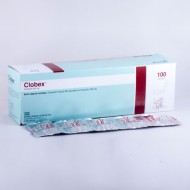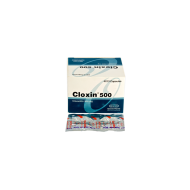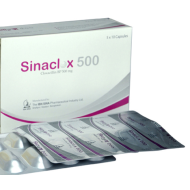
- Stock: Out Of Stock
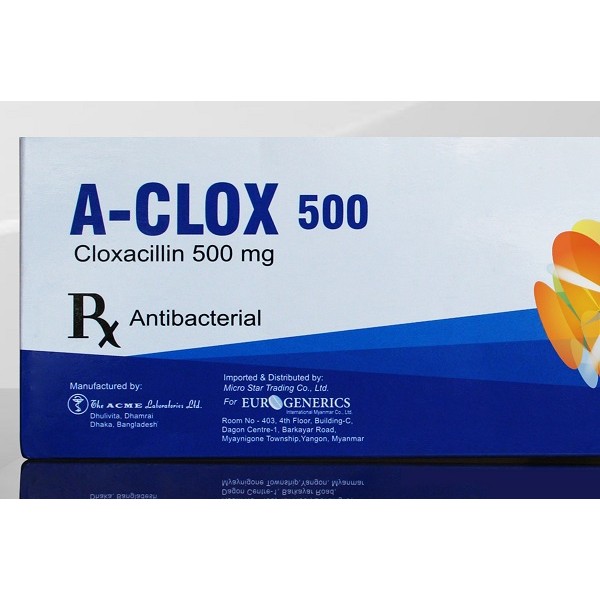
- Brand: Acme Laboratories Limited
- Product ID: Cloxacillin
🔒 100% Secure Payment | bKash | Nagad | SSLCommerz | COD
⭐ Become a FREE Member: 7% Extra Savings • Free Delivery • Refill Reminders • Priority Support
This Item is for pre order
A-clox 500 mg Capsule (Cloxacillin Sodium) — Product Overview
| Quick Reference | |
|---|---|
| Brand Name | A-clox |
| Generic Name | Cloxacillin Sodium 500 mg |
| Drug Class | Beta-Lactamase Resistant Penicillin Antibiotic |
| Manufacturer | ACI Limited, Bangladesh |
| Dosage Form | Capsule |
| Strength | 500 mg per capsule |
| Key Feature | Effective against penicillinase-producing (beta-lactamase-resistant) staphylococci |
| Storage | Below 25°C, dry place, protected from light |
| Prescription Status | Prescription Required |
What is A-clox (Cloxacillin)?
A-clox contains Cloxacillin Sodium 500 mg, a narrow-spectrum, beta-lactamase-resistant penicillin antibiotic. Its key distinguishing feature is resistance to beta-lactamase enzymes produced by Staphylococcus aureus — the most common cause of skin, soft tissue, and wound infections. Regular penicillin (ampicillin, amoxicillin) is inactivated by these enzymes, but cloxacillin is not. This makes A-clox the antibiotic of choice for staphylococcal infections including infected wounds, abscesses, cellulitis, and diabetic foot infections caused by Staphylococcus.
Why Cloxacillin Matters for Diabetic Patients
Diabetic patients are at significantly increased risk of staphylococcal skin and soft tissue infections, particularly diabetic foot infections and wound infections. S. aureus is the most common pathogen in these cases. Because most community-acquired S. aureus strains produce penicillinase (beta-lactamase), standard amoxicillin is ineffective. Cloxacillin, being beta-lactamase-resistant, remains active against these strains and is frequently prescribed in diabetic wound care protocols.
Mechanism of Action
Cloxacillin is a bactericidal antibiotic that works by inhibiting bacterial cell wall synthesis. It binds to penicillin-binding proteins (PBPs) on the bacterial cell surface, blocking transpeptidation of peptidoglycan strands. The result is a weakened cell wall that ruptures under osmotic pressure, killing the bacteria. Its isoxazolyl side chain sterically hinders beta-lactamase enzymes, preventing them from hydrolyzing the beta-lactam ring — this is the structural basis of its penicillinase resistance.
Indications
A-clox is indicated for infections caused by beta-lactamase-producing staphylococci, including:
- Skin and soft tissue infections: Cellulitis, impetigo, infected wounds, boils, carbuncles, abscesses
- Diabetic foot infections: Staphylococcal component of wound infections
- Post-operative wound infections
- Osteomyelitis (bone infection): Staphylococcal bone infections
- Septic arthritis
- Staphylococcal pneumonia: Including hospital-acquired and post-influenza pneumonia
- Endocarditis: Staphylococcal infective endocarditis (high-dose IV formulation for this)
Dosage and Administration
Adults and children over 20 kg: 500 mg–1 g every 6 hours (4 times daily). For severe infections: 1 g every 4–6 hours.
Children under 20 kg: 50–100 mg/kg/day in 4 divided doses.
Duration: Skin infections: 5–10 days. Osteomyelitis: 4–6 weeks. Follow the full prescribed course.
Critical administration note: Cloxacillin must be taken on an empty stomach (30–60 minutes before meals or 2 hours after). Food significantly reduces absorption — bioavailability drops from ~50% to ~20–30% when taken with food. This is one of the most commonly misused aspects of cloxacillin therapy.
Contraindications
- Hypersensitivity to penicillins or other beta-lactam antibiotics (cross-reactivity with cephalosporins)
- History of severe allergic reaction (anaphylaxis) to any penicillin
Side Effects
Common: GI upset, nausea, diarrhoea (especially if taken with food).
Uncommon: Elevated liver enzymes (cholestatic hepatitis with prolonged use), skin rash, urticaria.
Rare: Anaphylaxis (severe allergic reaction), neutropenia, interstitial nephritis, pseudomembranous colitis (Clostridioides difficile). Seek emergency care immediately if rash, facial swelling, or breathing difficulty develop.
Drug Interactions
- Warfarin: Cloxacillin significantly induces warfarin metabolism — INR may drop sharply, reducing anticoagulation. Monitor INR closely if used together
- Methotrexate: Penicillins reduce renal elimination of methotrexate — risk of toxicity
- Probenecid: Increases cloxacillin plasma levels by blocking renal excretion
- Oral contraceptives: Theoretical risk of reduced efficacy (limited evidence)
Frequently Asked Questions (FAQ)
Q: Why must I take A-clox on an empty stomach?
A: Food significantly reduces cloxacillin absorption. If taken with meals, only 20–30% of the dose is absorbed instead of ~50%. Always take A-clox 30–60 minutes before meals or 2 hours after eating, with a full glass of water.
Q: Why is A-clox used for diabetic foot infections?
A: Diabetic foot infections are commonly caused by Staphylococcus aureus, which produces penicillinase enzymes that inactivate regular penicillins. Cloxacillin is resistant to these enzymes and remains effective, making it a first-line choice for staphylococcal diabetic wound infections.
Q: Can I use A-clox for all types of infections?
A: No. Cloxacillin has a narrow spectrum — it works well against staphylococci but is not effective against Gram-negative bacteria, MRSA (methicillin-resistant S. aureus), or most other pathogens. Always use antibiotics only for the type of infection they are prescribed for.
Q: How is A-clox (Cloxacillin) different from Flucloxacillin?
A: Both are beta-lactamase-resistant penicillins with the same mechanism and indications. Flucloxacillin has slightly better oral bioavailability and is more commonly used in some countries. In Bangladesh, cloxacillin remains widely available and effective for community staphylococcal infections.
Medical Disclaimer
The information provided is for educational purposes only. Antibiotics should only be used as prescribed by a qualified healthcare professional. Never self-medicate with antibiotics. If you have a penicillin allergy, inform your doctor and pharmacist before taking A-clox.