- Stock: Pre-Order
- Brand: Aristopharma
- Product ID: Lactulose
🔒 100% Secure Payment | bKash | Nagad | SSLCommerz | COD
⭐ Become a FREE Member: 7% Extra Savings • Free Delivery • Refill Reminders • Priority Support
This Item is for pre order
Product Overview
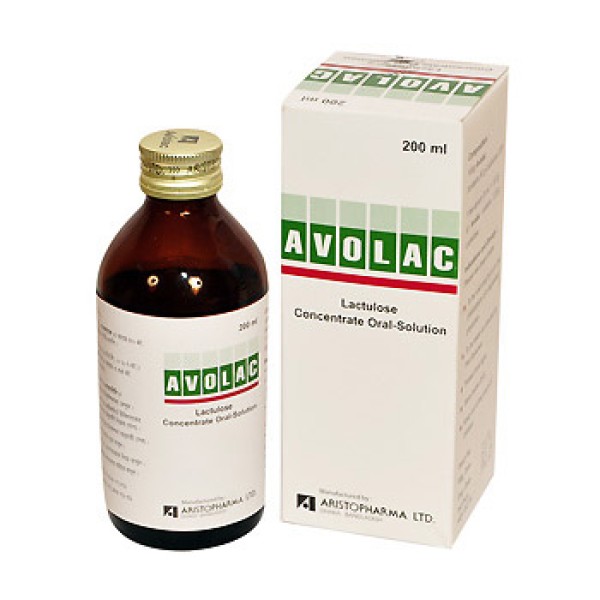
| Brand Name | Avolac 200 ml Oral Solution |
|---|---|
| Generic Name | Lactulose (3.35 g per 5 ml) |
| Manufacturer | ACI Limited, Bangladesh |
| Strength | 3.35 g lactulose per 5 ml |
| Pack Size | 200 ml bottle |
| Dosage Form | Oral Solution (Syrup) |
| Therapeutic Class | Osmotic Laxative / Bowel Regulator / Ammonia Detoxicant |
| MRP (Bangladesh) | ৳320.00 per 200 ml bottle |
| Prescription Status | Available with or without prescription; physician guidance recommended |
What Is Avolac 200 ml (Lactulose Oral Solution)?
Avolac 200 ml Oral Solution is a larger-pack formulation of lactulose manufactured by ACI Limited, Bangladesh, providing 3.35 g of lactulose per 5 ml in a 200 ml bottle. The 200 ml pack is particularly suited for patients requiring longer-duration therapy — including chronic constipation management, maintenance therapy for hepatic encephalopathy, and patients with ongoing bowel motility disorders requiring regular daily dosing. Lactulose is a non-absorbable synthetic disaccharide that acts exclusively in the colon, making it pharmacologically safe for systemic use and free from concerns about drug accumulation or systemic toxicity. For patients with diabetes who require ongoing bowel management due to enteric autonomic neuropathy, the larger 200 ml pack offers greater convenience and better treatment adherence by reducing the frequency of prescription refills.
Mechanism of Action
Lactulose, a synthetic disaccharide of galactose and fructose, resists hydrolysis by human intestinal disaccharidases and reaches the colon intact. Within the colon, commensal bacteria — predominantly saccharolytic species including Lactobacillus, Bifidobacterium, and Bacteroides — ferment lactulose into short-chain organic acids (lactic acid, acetic acid, propionic acid) and carbon dioxide. This fermentation achieves two complementary therapeutic effects. First, the accumulation of osmotically active fermentation products draws water into the colonic lumen through osmotic pressure, increasing faecal water content, softening the bolus, and stimulating propulsive peristalsis through mechanical distension of the bowel wall. Second — of critical importance in hepatic encephalopathy — the organic acids lower colonic pH from approximately 6.5 to below 5.5, which converts freely diffusible ammonia (NH3) to non-diffusible ammonium ions (NH4+). Ammonium, unable to cross the colonic mucosa, is excreted in the stool rather than absorbed into the portal circulation and transported to the liver — which, in hepatic failure, cannot detoxify it. This ammonium trapping effect reduces systemic ammonia levels and ameliorates the neuropsychiatric manifestations of hepatic encephalopathy.
Indications: Constipation and Hepatic Encephalopathy
Avolac 200 ml is indicated for two main clinical contexts. For constipation management, it is used in adults with chronic or functional constipation, patients with opioid-induced constipation, post-operative bowel care, constipation in pregnancy, and — highly relevant in Bangladesh — constipation in patients with type 2 diabetes mellitus. Diabetic enteric autonomic neuropathy results in impaired colonic motility, with slow-transit constipation developing in a substantial proportion of patients with longstanding poorly controlled diabetes. Lactulose is the preferred non-stimulant osmotic laxative in this context, as it does not cause electrolyte depletion, does not habituate the enteric reflex, and has a well-established safety record across age groups. For hepatic encephalopathy, lactulose is first-line therapy recommended by international hepatology guidelines. It is used both for acute encephalopathy episodes (at higher titrated doses aiming for 2–3 soft stools per day) and for secondary prophylaxis to prevent recurrence. Patients with liver cirrhosis in Bangladesh, where hepatitis B and C are endemic and alcohol-related liver disease is prevalent, may require ongoing lactulose therapy for months to years.
Dosage for Constipation and Hepatic Encephalopathy
For constipation in adults, the starting dose of lactulose is 15–30 ml (10–20 g) once or twice daily, titrated over several days to the minimum dose that maintains comfortable bowel frequency (typically one soft formed stool daily). The maintenance dose should be individualized. For hepatic encephalopathy (acute episodes), lactulose is given 30–45 ml every 1–2 hours initially until the patient achieves 2–3 soft stools per day, then the dose is reduced to 15–45 ml two to three times daily for maintenance. In comatose or intubated patients, lactulose may be administered via nasogastric tube or as a retention enema. For paediatric patients, doses are weight-adjusted: 1.7–6.7 g/kg/day in divided doses for hepatic encephalopathy, or age-appropriate doses for constipation as directed by the physician. The solution may be taken neat or diluted with water, fruit juice, or milk. Adequate daily fluid intake (minimum 1.5–2 litres for adults) should be maintained to support the osmotic mechanism. The 200 ml bottle typically provides approximately 8–13 days of treatment at standard adult doses.
Special Considerations for Diabetic Patients
Patients with diabetes mellitus using lactulose long-term should be aware of several practical considerations. Lactulose contains residual free galactose, lactose, and fructose in addition to the lactulose disaccharide. At standard therapeutic doses, these residual sugars are present in amounts that do not significantly impact blood glucose in most patients, but patients on strict carbohydrate counting or continuous glucose monitoring may wish to note this. The fermentation of lactulose by gut microbiota also transiently alters the gut microbiome composition, which has been the subject of increasing research interest in the context of metabolic diseases including type 2 diabetes. Lactulose does not significantly interact with antidiabetic medications including metformin, sulfonylureas, DPP-4 inhibitors, or insulin. Diabetic patients with renal impairment who are also at risk of electrolyte disturbance should be monitored periodically, particularly if using higher doses. The convenience of the 200 ml pack supports adherence to chronic bowel management regimens in elderly diabetic patients living at home or in care facilities.
Contraindications and Precautions
Avolac oral solution is contraindicated in patients with galactosaemia due to the galactose content. It must not be used in the presence of bowel obstruction, suspected ileus, or toxic megacolon. Lactulose is not appropriate as a colonoscopy preparation due to the risk of combustible gas accumulation from fermentation during electrocautery procedures — dedicated bowel preparation agents should be used instead. In patients with inflammatory bowel disease experiencing an acute flare, lactulose may exacerbate symptoms and should be used with caution. Diabetic patients with autonomic neuropathy affecting the bowel may have unpredictable gastrointestinal transit times; close monitoring of response and dose adjustment may be required. Excessive dosing leading to profuse diarrhoea can cause hyponatraemia and hypokalaemia — clinically significant in diabetic patients who may already have electrolyte vulnerabilities from diuretic use or nephropathy.
Adverse Effects
Gastrointestinal side effects are the most common adverse reactions and are usually dose-dependent and transient. Flatulence and abdominal bloating are very common, particularly in the first week of therapy, as the colonic bacterial population adjusts to the increased fermentation substrate. Abdominal cramping may occur. Excessive doses reliably cause diarrhoea, which resolves with dose reduction. Nausea, particularly on an empty stomach, can be minimized by diluting the solution or taking it with a meal. Chronic use at excessive doses may cause electrolyte disturbances (hyponatraemia, hypokalaemia, hypernatraemia from dehydration). The sweet taste of the solution may be problematic for some patients; offering dilution in a less sweet beverage improves palatability and adherence.
Storage
Store Avolac 200 ml Oral Solution at room temperature below 25°C, protected from direct sunlight and heat. Do not freeze. Keep out of reach of children. Once opened, use within the period stated on the label. Do not use if the solution appears discoloured, cloudy, or has developed an unusual odour.
Frequently Asked Questions (FAQ)
Q1: What is the difference between the 100 ml and 200 ml Avolac bottles?
A: The concentration is identical (3.35 g lactulose per 5 ml). The 200 ml bottle contains double the volume and is more cost-effective for patients on chronic treatment, such as long-term bowel management in diabetes-related autonomic neuropathy or ongoing hepatic encephalopathy prophylaxis.
Q2: Can lactulose be used for hepatic encephalopathy (liver-related confusion)?
A: Yes. Lactulose is first-line therapy for hepatic encephalopathy. By acidifying the colon, it traps ammonia as non-absorbable ammonium in the stool, reducing systemic ammonia levels and improving neurological function. Doses and frequency are higher than for constipation and should be supervised by a physician.
Q3: Is it safe to use lactulose every day for chronic constipation?
A: Yes, lactulose is considered safe for long-term daily use and does not cause colonic habituation or "lazy bowel" — a concern with stimulant laxatives. Periodic medical review is recommended to assess electrolyte levels and the underlying cause of constipation, particularly in elderly or diabetic patients.
Q4: Can I give Avolac to my child?
A: Lactulose is commonly used in paediatric constipation and is generally safe in children and infants under medical supervision. Doses are age and weight dependent. Infants below 1 year may be prescribed as little as 2.5 ml twice daily. Always consult a physician before giving lactulose to an infant or young child.
Medical Disclaimer: This information is provided for educational purposes only and does not constitute medical advice. Always consult a licensed physician or pharmacist before starting or changing any medication. DiabetesStore.com.bd does not assume liability for clinical decisions made based on this content.