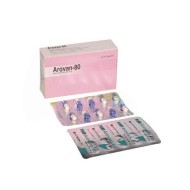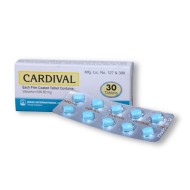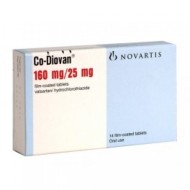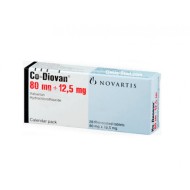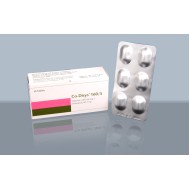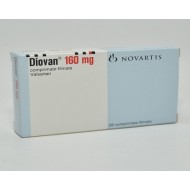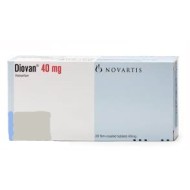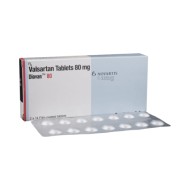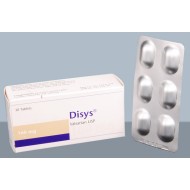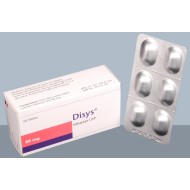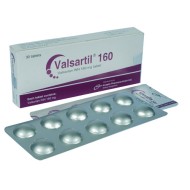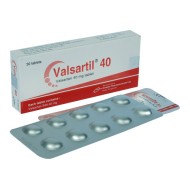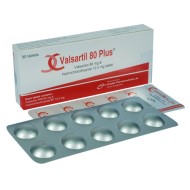
- Stock: In Stock
- Brand: Incepta Pharmaceuticals
- Product ID: Valsartan + Hydrochlorothiazide
🔒 100% Secure Payment | bKash | Nagad | SSLCommerz | COD
⭐ Become a FREE Member: 7% Extra Savings • Free Delivery • Refill Reminders • Priority Support
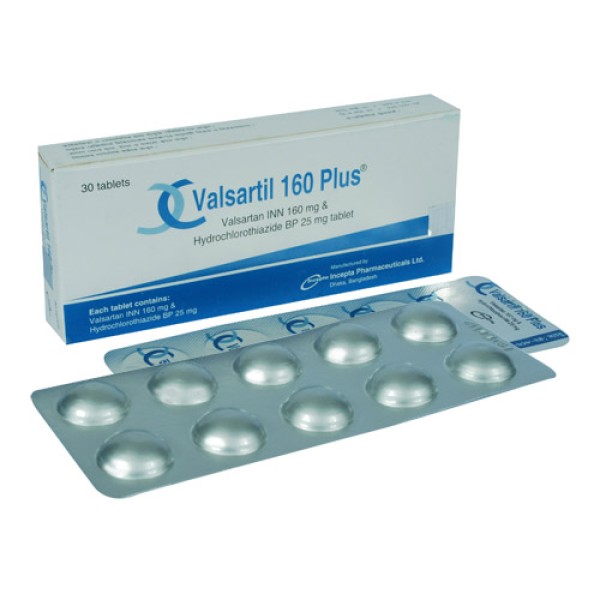
| Generic Name | Valsartan + Hydrochlorothiazide |
| Brand Name | Valsartil Plus |
| Manufacturer | Incepta Pharmaceuticals Ltd. |
| Dosage Form | Tablet |
| Strength | 160 mg + 25 mg |
| Pack Size | 3 x 10's |
| Drug Class | Combined Antihypertensive Preparation (ARB + Thiazide Diuretic) |
| Prescription Required | Yes |
| Onset of Action | Within 2 hours |
| Peak Effect | 4-6 hours |
| Duration of Action | Up to 24 hours |
What is Valsartil Plus?
Valsartil Plus is a fixed-dose combination of Valsartan (an angiotensin-II receptor blocker) and Hydrochlorothiazide (a thiazide diuretic), manufactured by Incepta Pharmaceuticals Ltd., used for the treatment of hypertension not adequately controlled on monotherapy.
Indications
Valsartil Plus is indicated for the treatment of hypertension.
Pharmacology
Valsartan is an oral, specific angiotensin II antagonist acting on the AT1 subtype. By blocking the action of angiotensin II, it dilates blood vessels and reduces blood pressure without affecting pulse rate.
Hydrochlorothiazide is a thiazide diuretic that affects renal tubular electrolyte reabsorption, directly increasing excretion of sodium and chloride. Its diuretic action reduces plasma volume, leading to increased plasma renin activity, increased aldosterone secretion, increased urinary potassium loss, and decreased serum potassium.
Dosage & Administration
A patient whose blood pressure is not controlled on Valsartan or Hydrochlorothiazide monotherapy may be switched to the Valsartan + Hydrochlorothiazide combination once daily. The highest allowed dose of Valsartan in combination should not exceed 320 mg with Hydrochlorothiazide 25 mg. No initial dosage adjustment is necessary for elderly patients. Safety and effectiveness in pediatric patients have not been established.
Interaction
Valsartan: Patients on diuretics may occasionally experience excessive blood pressure reduction at initiation. Potassium supplements or potassium-containing salt substitutes may cause hyperkalemia. Lithium clearance may be reduced; monitor serum lithium if co-administered. Other interacting drugs include Warfarin and Digoxin.
Hydrochlorothiazide: Alcohol, barbiturates, or narcotics may potentiate orthostatic hypotension. Antidiabetic drug dosage may need adjustment. Other antihypertensives have additive effect. Cholestyramine and colestipol resins impair its absorption.
Contraindications
Contraindicated in patients hypersensitive to any component of this product. Because of the Hydrochlorothiazide component, also contraindicated in patients with anuria or hypersensitivity to other sulfonamide-derived drugs.
Side Effects
Generally well tolerated; side effects are rare. Common: headache, dizziness, fatigue, abdominal pain, cough, diarrhea, nausea. May also cause hyperkalemia, impotency, reduced renal function, allergic reactions, dyspnea, constipation, back pain, muscle cramps, rash, anxiety, insomnia and vertigo. Hypotension may occur.
Pregnancy & Lactation
Pregnancy Category D: Valsartan should not be used in pregnancy; can cause fetal injury or death in the 2nd and 3rd trimester. Discontinue as soon as pregnancy is detected.
Lactation: Not known whether Valsartan is excreted in human milk; Hydrochlorothiazide is excreted in breast milk.
Precautions & Warnings
Use with care in hepatic impairment, including biliary obstructive disorders, as most Valsartan is eliminated via bile. In renal impairment, dosage reduction or discontinuation may be required, as thiazides may precipitate azotemia; loop diuretics are preferred in severe renal impairment. Caution when initiating therapy in heart failure and post-myocardial infarction patients.
Overdose Effects
Valsartan: Limited human overdose data; likely manifestations are hypotension and tachycardia, with possible bradycardia from vagal stimulation. Treat with supine positioning and IV normal saline if needed.
Hydrochlorothiazide: Overdose commonly causes signs of electrolyte depletion (hypokalemia, hypochloremia, dehydration) from excessive diuresis; may accentuate cardiac arrhythmias if combined with digitalis.
Therapeutic Class
Combined Antihypertensive Preparation
Storage Conditions
Store between 15-30°C.