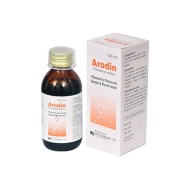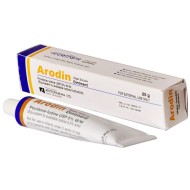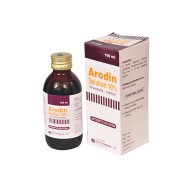
- Stock: Out Of Stock
- Brand: Amico Laboratories Ltd.
- Product ID: Povidone Iodine
Available Options
🔒 100% Secure Payment | bKash | Nagad | SSLCommerz | COD
⭐ Become a FREE Member: 7% Extra Savings • Free Delivery • Refill Reminders • Priority Support
This Item is for pre order
Povidone Solution (Povidone Iodine) — Antiseptic for Wound & Skin Disinfection
Attribute Details
| Brand Name | Povidone Solution |
| Generic Name | Povidone Iodine |
| Dosage Form | Topical Antiseptic Solution |
| Pack Size | See product listing for bottle volume |
| Drug Class | Iodine-Based Topical Antiseptic |
| Manufacturer | See product listing for manufacturer details |
About Povidone Solution
Povidone Solution contains Povidone Iodine, a broad-spectrum antiseptic used to disinfect skin and wounds before and after minor procedures, and to help prevent infection in cuts, scrapes, and other minor skin injuries. It works by releasing iodine, which kills a wide range of bacteria, viruses, and fungi on contact, making it a staple of basic first-aid and wound care.
Povidone Iodine and Diabetic Wound Care
Diabetic patients are at significantly higher risk of slow-healing wounds and foot ulcers due to impaired circulation, neuropathy, and reduced immune response to infection. Keeping any cut, blister, or wound — especially on the feet — clean and disinfected is an important part of preventing minor injuries from progressing into serious infections that can be difficult to treat in diabetic patients. Povidone Iodine is commonly used for cleaning minor wounds in diabetic patients, but any foot wound, ulcer, or injury that does not show improvement within a few days, or that shows signs of worsening infection (increasing redness, swelling, warmth, discharge, or fever), needs prompt medical evaluation rather than continued home treatment.
Using Povidone Solution Correctly
Apply Povidone Solution to clean skin around the wound and allow it to air-dry before covering with a sterile dressing if needed. It should generally not be used on deep puncture wounds, severe burns, or large areas of skin without medical guidance, and prolonged or excessive use on large wound areas should be avoided, particularly in patients with thyroid conditions or kidney impairment.
Usage Guide
| Use Case | How to Apply | Notes |
|---|---|---|
| Minor cuts/scrapes | Clean wound, apply solution, let air-dry | Cover with sterile dressing if needed |
| Diabetic foot wound care | Use to clean minor wounds as part of daily foot care | Seek medical attention if wound worsens or does not heal |
Frequently Asked Questions (FAQ)
Q1: Why is wound disinfection especially important for diabetic patients?
Diabetic patients have a higher risk of slow-healing wounds and infections, particularly on the feet, so keeping minor injuries clean and disinfected helps prevent them from progressing into more serious complications.
Q2: When should a diabetic patient see a doctor instead of self-treating a wound?
If a wound does not improve within a few days, or shows increasing redness, swelling, warmth, discharge, or is accompanied by fever, it needs prompt medical evaluation rather than continued home treatment.
Q3: Can Povidone Solution be used on all types of wounds?
No, it is generally intended for minor cuts and scrapes; deep puncture wounds, severe burns, and large wound areas should be evaluated and treated by a healthcare professional.
Q4: Are there any precautions for long-term or extensive use?
Prolonged or excessive use over large areas of skin should be avoided, especially in patients with thyroid conditions or kidney impairment; consult a physician if regular use over large areas is needed.
Medical Disclaimer
Povidone Solution should be used as directed on the package or as advised by a physician or pharmacist. This content is for educational purposes only and does not replace professional medical advice.