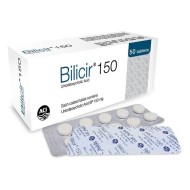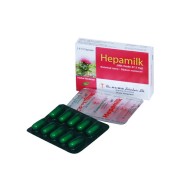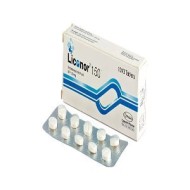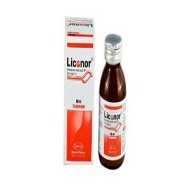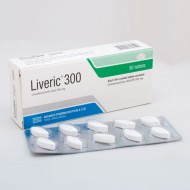

- Stock: Out Of Stock
- Brand: Biopharma Laboratories Ltd.
- Product ID: Ursodeoxycholic Acid
Available Options
🔒 100% Secure Payment | bKash | Nagad | SSLCommerz | COD
⭐ Become a FREE Member: 7% Extra Savings • Free Delivery • Refill Reminders • Priority Support
This Item is for pre order
UDCA Tablet — Ursodeoxycholic Acid for Liver and Gallbladder Health
Attribute Details
| Brand Name | UDCA Tab |
| Generic Name | Ursodeoxycholic Acid (UDCA) |
| Strength | 300 mg |
| Dosage Form | Oral Tablet |
| Pack Size | Strip/box pack (see listing for unit count) |
| Drug Class | Bile Acid / Hepatoprotective Agent |
| Manufacturer | See product listing for manufacturer details |
About UDCA Tablet
Ursodeoxycholic acid ( UDCA) is a naturally occurring bile acid used to dissolve certain types of cholesterol gallstones, treat primary biliary cholangitis ( a chronic liver disease), and manage non-alcoholic fatty liver disease (NAFLD) in some patients. It works by reducing cholesterol absorption in the intestine and altering the composition of bile to make it less likely to form gallstones, while also having a protective effect on liver cells in certain chronic liver conditions.
UDCA and Fatty Liver Disease in Type 2 Diabetes
Non-alcoholic fatty liver disease ( NAFLD) is present in a substantial proportion of people with type 2 diabetes, often as part of the same underlying metabolic syndrome that includes obesity and insulin resistance. UDCA is sometimes used as part of the management approach for NAFLD in diabetic patients, alongside the primary treatments of weight management, blood sugar control, and lifestyle changes, although evidence for UDCA's effectiveness specifically in NAFLD is more limited compared to its established use in gallstone dissolution and primary biliary cholangitis. Diabetic patients with elevated liver enzymes or a fatty liver diagnosis should discuss with their physician whether UDCA has a role in their specific treatment plan, since management approaches vary by individual case.
Gallstone Risk and Diabetes
People with type 2 diabetes have a higher risk of developing gallstones compared to the general population, related to factors including obesity, rapid weight loss, and altered bile composition. UDCA may be prescribed to dissolve small cholesterol gallstones in patients who are not good candidates for surgery, although it generally requires many months of consistent use and works best for amaller, non-calcified stones. Diabetic patients should have gallstones properly evaluated by ultrasound before starting UDCA, since not all gallstones respond to this treatment.
Dosing Guide
| Indication | Typical Adult Dose | Duration |
|---|---|---|
| Gallstone dissolution | 8–10mg/kg/day in divided doses | 6–24 months, per physician monitoring |
| Primary biliary cholangitis | 13–15mg/kg/day in divided doses | Long-term, per hepatologist guidance |
| NAFLD (adjunct, where used) | As directed by physician | Per individualized treatment plan |
Frequently Asked Questions (FAQ)
Q1: I have diabetes and fatty liver — will UDCA cure it?
UDCA is sometimes used as part of a broader treatment plan for fatty liver disease, but it is not a standalone cure. The most effective treatments remain weight management, blood sugar control, and lifestyle changes. Discuss with your physician whether UDCA has a specific role in your treatment.
Q2: How long does UDCA take to dissolve gallstones?
Gallstone dissolution with UDCA typically takes 6 months to 2 years of consistent daily use, and works best on small, cholesterol-based stones. Your physician will monitor your progress periodically with ultrasound imaging.
Q3: Are there interactions between UDCA and my diabetes medications?
UDCA does not have major direct interactions with most diabetes medications, but it can reduce absorption of some other drugs, including certain cholesterol-binding medications and antacids containing aluminum. Always inform your physician of your full medication list.
Q4: What side effects should I watch for while taking UDCA?
The most common side effects are mild diarrhea and stomach upset. Report any signs of worsening liver problems, such as yellowing of the skin or eyes (jaundice), dark urine, or unusual fatigue, to your physician promptly.
Medical Disclaimer
UDCA Tablet (Ursodeoxycholic Acid) should be taken exactly as prescribed by your physician, with periodic monitoring as advised. Diabetic patients with liver or gallbladder conditions should have their specific treatment plan individualized by a physician. This content is for educational purposes only and does not replace professional medical advice.