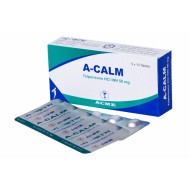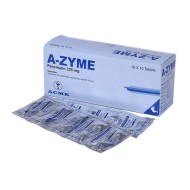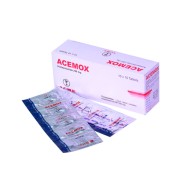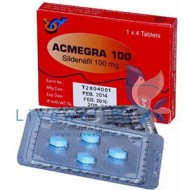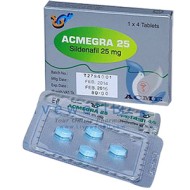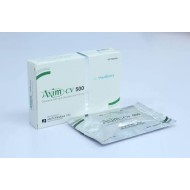
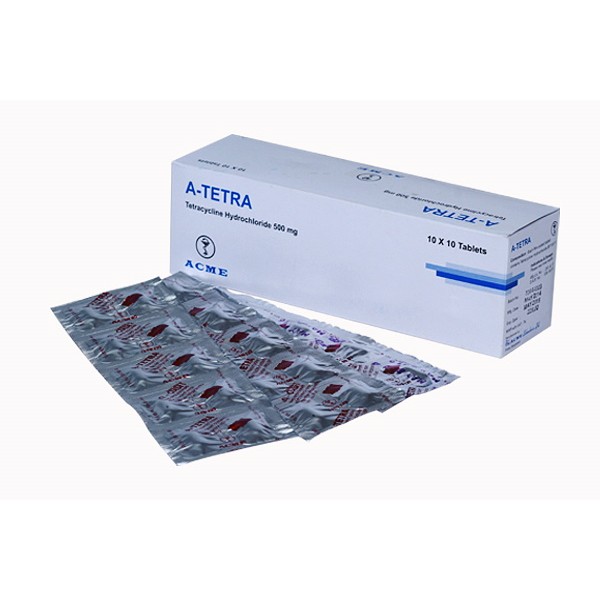
- Stock: Out Of Stock
- Brand: Acme Laboratories Limited
- Product ID: Tetracycline Hydrochloride
🔒 100% Secure Payment | bKash | Nagad | SSLCommerz | COD
⭐ Become a FREE Member: 7% Extra Savings • Free Delivery • Refill Reminders • Priority Support
This Item is for pre order
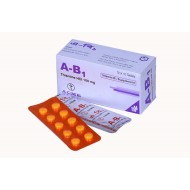
A-Tetra 500mg Tablet — Tetracycline Hydrochloride | Beximco Pharmaceuticals
| Generic Name | Tetracycline Hydrochloride 500mg |
| Drug Class | Broad-Spectrum Tetracycline Antibiotic |
| Manufacturer | Beximco Pharmaceuticals Ltd. |
| Route | Oral (Tablet) |
| Prescription Status | Prescription Required |
Overview
A-Tetra 500mg Tablet contains Tetracycline Hydrochloride — the same drug as the capsule formulation, in tablet form. Tetracycline is a broad-spectrum bacteriostatic antibiotic effective against Gram-positive, Gram-negative, and intracellular organisms (Chlamydia, Mycoplasma, Rickettsia). Key indications include H. pylori eradication (as part of bismuth quadruple therapy — increasingly preferred in Bangladesh due to rising clarithromycin resistance), acne vulgaris, chlamydial infections, cholera, and rickettsial infections.
Mechanism of Action
Tetracycline reversibly binds to the 30S ribosomal subunit (16S rRNA), blocking aminoacyl-tRNA docking at the A site and inhibiting bacterial protein elongation (bacteriostatic). It is actively concentrated inside bacterial cells — and also inside intracellular organisms like Chlamydia and Rickettsia — explaining its coverage of organisms that many other antibiotic classes miss. Resistance occurs mainly via active efflux pumps that expel tetracycline from bacterial cells.
Indications
- H. pylori eradication — bismuth quadruple therapy (PPI + bismuth + tetracycline + metronidazole)
- Acne vulgaris — moderate to severe inflammatory acne
- Chlamydial urogenital and ocular infections
- Community-acquired atypical pneumonia (Mycoplasma, Chlamydophila)
- Cholera (adjunct to rehydration)
- Brucellosis (with streptomycin)
- Rickettsial infections (scrub typhus, Q fever)
- Leptospirosis (mild-moderate)
Dosage
| Indication | Dose | Frequency | Duration |
|---|---|---|---|
| H. pylori quadruple therapy | 500mg | 4 times daily | 10–14 days |
| Acne vulgaris | 500mg | Twice daily (fasting) | 3–6 months |
| Chlamydia / atypical pneumonia | 500mg | Every 6 hours | 7–14 days |
| Cholera | 500mg | Every 6 hours | 3 days |
| Rickettsial infections | 500mg | Every 6 hours | 7 days (or 48h after fever breaks) |
Must be taken fasting — 1 hour before or 2 hours after food. Avoid dairy, antacids, iron, calcium, and magnesium within 2 hours of each dose. Take with a full glass of water and remain upright for 30 minutes to prevent oesophageal irritation.
Critical Diabetic Patient Information
- H. pylori and diabetes: H. pylori is more prevalent in diabetics and is associated with peptic ulcer disease. In Bangladesh, where clarithromycin resistance exceeds 20%, bismuth quadruple therapy with tetracycline offers >90% eradication rates — superior to standard triple therapy in this setting
- Mineral supplement interactions: Diabetics commonly take calcium, magnesium, and iron supplements. These chelate tetracycline and block its absorption. Separate A-Tetra from all mineral supplements by at least 2 hours
- Avoid in diabetic CKD: Tetracycline is antianabolic (increases BUN) and accumulates in renal impairment. In diabetics with CKD (eGFR <30), doxycycline is the preferred tetracycline-class antibiotic as it is primarily hepatically excreted
- Photosensitivity: Diabetics often have reduced sensation in extremities — they may not notice sunburn developing during tetracycline therapy. Apply SPF 50+ sunscreen to all exposed skin and minimise sun exposure during treatment
Side Effects
| System | Side Effect | Severity |
|---|---|---|
| GI | Nausea, vomiting, diarrhoea, oesophageal irritation/ulceration (if not taken with water) | Common |
| Skin | Photosensitivity — sunburn reaction | Common — use SPF 50+ sunscreen |
| Dental/Bone | Tooth discolouration, enamel defects in children <8 years and in utero | Serious — avoid in children <8 and pregnancy |
| Renal | Antianabolic — raised BUN (avoid in significant CKD) | Moderate in renal impairment |
| Superinfection | Oral/vaginal candidiasis from disrupted normal flora | Common with prolonged courses |
| CNS (rare) | Intracranial hypertension (pseudotumour cerebri) | Rare — headache + visual changes → stop immediately |
Drug Interactions
| Drug / Food | Interaction |
|---|---|
| Antacids, dairy, calcium, iron, magnesium, zinc | Chelation — reduce absorption up to 90%. Separate by 2 hours |
| Warfarin | May enhance anticoagulant effect — monitor INR |
| Oral contraceptives | May reduce OCP efficacy — use additional barrier contraception |
| Isotretinoin | Additive risk of intracranial hypertension — contraindicated combination |
| Penicillins | Bacteriostatic tetracycline may antagonise bactericidal penicillins — avoid combining for serious infections |
Contraindications
- Pregnancy (all trimesters)
- Children under 8 years
- Renal impairment (eGFR <30) — use doxycycline instead
- Known hypersensitivity to tetracyclines
- Concurrent isotretinoin therapy
Storage
Store below 25°C. Protect from light and moisture. Keep out of reach of children. Do not use after expiry date — degraded tetracycline is potentially harmful.
Frequently Asked Questions
Q: Can I take A-Tetra Tablet with my metformin?
A: Yes — tetracycline does not significantly interact with metformin. However, if you are also on calcium supplements, iron, or antacids, take A-Tetra at least 2 hours before these. Separate from metformin if you take it with food (since tetracycline must be taken fasting).
Q: What is the difference between A-Tetra Capsule and A-Tetra Tablet?
A: Both contain identical drug (Tetracycline HCl 500mg) at the same dose. The choice is one of preference or availability. Tablets must be taken with a full glass of water and remain upright for 30 minutes to prevent oesophageal contact — this applies equally to the capsule form.
Medical Disclaimer: A-Tetra 500mg Tablet (Tetracycline HCl) is a prescription-only antibiotic. Contraindicated in pregnancy and children under 8. Must be taken fasting — avoid dairy, antacids, and mineral supplements within 2 hours. Avoid in significant renal impairment. Causes photosensitivity — use sunscreen. This information is for educational purposes only. Always follow your physician's instructions.