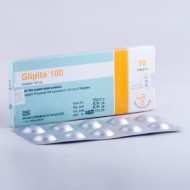
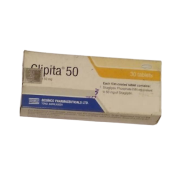
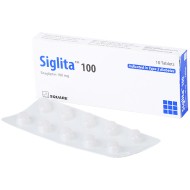
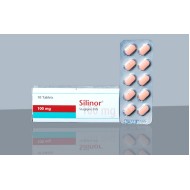
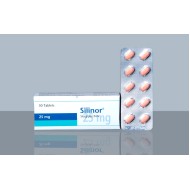
- Stock: In Stock
- Brand: Incepta Pharmaceuticals
- Product ID: Sitagliptin Phosphate
🔒 100% Secure Payment | bKash | Nagad | SSLCommerz | COD
⭐ Become a FREE Member: 7% Extra Savings • Free Delivery • Refill Reminders • Priority Support
| Generic Name | Sitagliptin Phosphate |
| Brand Name | Sitagil |
| Manufacturer | Incepta Pharmaceuticals Ltd., Bangladesh |
| Dosage Form | Tablet |
| Strength | 100 mg |
| Pack Size | Strip of 10 tablets (sold in 3-strip / 30-tablet boxes) |
| Drug Class | DPP-4 Inhibitor (Gliptin) |
| Prescription Required | Yes — Rx Only |
| Onset / Peak / Duration | Peak plasma concentration: 1–4 hrs | Duration: ~24 hrs (supports once-daily dosing) |
What is Sitagil?
Sitagil is Incepta Pharmaceuticals' brand of sitagliptin phosphate, a DPP-4 inhibitor (gliptin) used as an adjunct to diet and exercise to improve glycemic control in adults with type 2 diabetes. It can be used alone or combined with metformin, a sulfonylurea, or a thiazolidinedione when those agents alone do not provide adequate control. Unlike insulin or sulfonylureas, sitagliptin works in a glucose-dependent manner, which keeps its own hypoglycemia risk low when used as monotherapy.
Generic Name and Composition
Each tablet contains sitagliptin phosphate monohydrate equivalent to 100 mg sitagliptin (free base). Sitagliptin is a member of the dipeptidyl peptidase-4 (DPP-4) inhibitor class.
Indications
- Adjunct to diet and exercise to improve glycemic control in adults with type 2 diabetes mellitus.
- As monotherapy when diet and exercise alone are inadequate.
- In combination with metformin, a sulfonylurea, or a thiazolidinedione.
How It Works — Mechanism of Action
Sitagliptin inhibits the DPP-4 enzyme, slowing the breakdown of incretin hormones GLP-1 and GIP. Higher incretin levels increase glucose-dependent insulin release from pancreatic beta cells and lower glucagon secretion from alpha cells, reducing hepatic glucose output — all in a glucose-dependent manner that limits the drug's own hypoglycemia risk.
Dosage and Administration
- Usual adult dose: 100 mg once daily, with or without food.
- Mild renal impairment (CrCl >50 mL/min): no dose adjustment needed.
- Moderate renal impairment (CrCl 30–50 mL/min): 50 mg once daily.
- Severe renal impairment / ESRD on dialysis: 25 mg once daily.
- Safety and effectiveness in patients under 18 years have not been established.
Side Effects
Common: headache, nasopharyngitis, upper respiratory tract infection; hypoglycemia when combined with a sulfonylurea (with or without metformin). Uncommon: nausea, abdominal discomfort. Rare: hypersensitivity reactions (rash, urticaria, angioedema); rare post-marketing reports of acute pancreatitis — discontinue promptly and seek medical care if persistent severe abdominal pain occurs.
Drug Interactions
Sitagliptin has a low interaction potential overall, as it is eliminated mainly by the kidney with minimal CYP450 involvement. Notable interaction: co-administration with digoxin produces a modest increase in digoxin's AUC and peak concentration — monitor patients on digoxin. Combining with a sulfonylurea or insulin increases hypoglycemia risk; a lower sulfonylurea/insulin dose may be needed.
Contraindications
- Known hypersensitivity to sitagliptin or any excipient.
- Not indicated for type 1 diabetes mellitus or diabetic ketoacidosis.
Pregnancy and Lactation
Pregnancy: safety not established; use only if the potential benefit justifies the potential risk to the fetus. Lactation: unknown whether sitagliptin is excreted in human milk — avoid in breastfeeding mothers unless advised by a physician.
Precautions and Warnings
- Dose adjustment required in moderate-to-severe renal impairment and ESRD.
- Lower sulfonylurea or insulin dose may be needed when co-administered, to reduce hypoglycemia risk.
- Discontinue promptly if signs of pancreatitis occur (severe, persistent abdominal pain, with or without vomiting).
Overdose
Manage with standard supportive measures based on clinical status. Sitagliptin is modestly dialyzable; prolonged hemodialysis may be considered if clinically appropriate.
Storage Instructions
- Store below 30°C, in a dry place, protected from light.
- Keep out of reach of children.
Frequently Asked Questions
Q1: Can Sitagil be taken with metformin?
A: Yes — sitagliptin is commonly prescribed alongside metformin when diet, exercise, and metformin alone do not control blood sugar adequately.
Q2: Does Sitagil cause low blood sugar on its own?
A: Taken alone, sitagliptin has a low risk of hypoglycemia because it acts in a glucose-dependent manner; risk rises when combined with a sulfonylurea or insulin.
Q3: Is Sitagil safe for kidney patients?
A: The dose must be reduced in moderate-to-severe kidney impairment and in ESRD — consult your physician for the correct dose.
Q4: How is Sitagil different from other DPP-4 inhibitors like vildagliptin or linagliptin?
A: All DPP-4 inhibitors (gliptins) share the same mechanism. Sitagliptin is dosed once daily, requires renal dose adjustment, and has a well-established long-term safety record; your physician chooses among gliptins based on renal function, dosing convenience, and other patient factors.
Medical Disclaimer: For educational purposes only and not a substitute for professional medical advice. Sitagil is Rx-only. Consult a registered physician before starting, stopping, or changing any medication. DiabetesStore.com.bd is a licensed online pharmacy in Bangladesh.