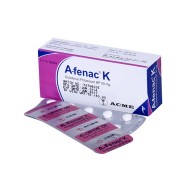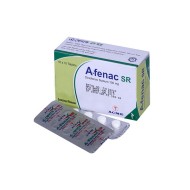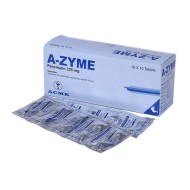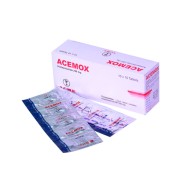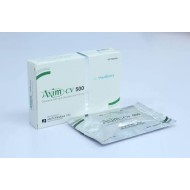
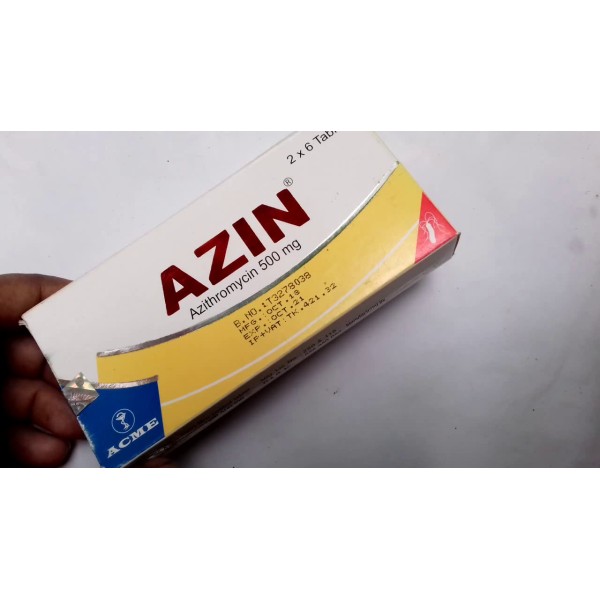
- Stock: Out Of Stock
- Brand: Acme Laboratories Limited
- Product ID: Azithromycin
🔒 100% Secure Payment | bKash | Nagad | SSLCommerz | COD
⭐ Become a FREE Member: 7% Extra Savings • Free Delivery • Refill Reminders • Priority Support
This Item is for pre order
Azin 250mg Tab — Azithromycin 250mg Film-Coated Tablet by Acme Laboratories
| Attribute | Details |
|---|---|
| Brand Name | Azin |
| Generic Name | Azithromycin |
| Strength | 250 mg |
| Dosage Form | Film-Coated Tablet |
| Drug Class | Macrolide Antibiotic (Azalide) |
| Manufacturer | Acme Laboratories Limited, Bangladesh |
| Route of Administration | Oral |
About Azin 250mg Tablet
Azin 250mg Tab is a film-coated tablet containing azithromycin 250 mg, manufactured by Acme Laboratories Limited, Bangladesh. The film-coating on Azin 250mg Tab serves multiple important functions: it masks the inherently bitter taste of azithromycin, provides a smooth surface that eases swallowing, protects the drug from moisture during storage, and forms a consistent dissolution matrix that ensures predictable drug release in the gastrointestinal tract. Compared with capsule formulations, film-coated tablets generally have superior moisture stability and longer shelf life. Acme Laboratories, established in 1954, is one of the oldest and most respected pharmaceutical manufacturers in Bangladesh, supplying a wide range of products domestically and to international markets including the UK, USA, and EU.
Community-Acquired Pneumonia (CAP): Atypical Organism Coverage
Community-acquired pneumonia (CAP) is one of the most important clinical indications for azithromycin. Standard CAP in the outpatient setting is caused by a mix of typical organisms (Streptococcus pneumoniae, Haemophilus influenzae) and atypical organisms (Mycoplasma pneumoniae, Chlamydophila pneumoniae, Legionella pneumophila). Beta-lactam antibiotics (amoxicillin, cephalosporins) are active against typical organisms but lack activity against atypicals, which have no cell wall. Azithromycin (Azin 250mg Tab) provides excellent coverage of all four major atypical pathogens, as well as meaningful activity against typical CAP organisms. Current international and local guidelines recommend azithromycin monotherapy for mild-to-moderate outpatient CAP without comorbidities, or azithromycin + a beta-lactam for CAP patients with comorbidities (diabetes, COPD, renal disease). Patients with diabetes have both higher incidence of CAP and more severe outcomes — Azin 250mg Tab is a cornerstone of empiric outpatient CAP management in this population.
Skin and Soft Tissue Infections in Diabetic Patients
Skin and soft tissue infections (SSTIs) including cellulitis, infected diabetic foot ulcers (mild-to-moderate), impetigo, and erysipelas are among the most common bacterial complications in diabetic patients. Azithromycin (Azin 250mg Tab) has proven activity against the two most important SSTI pathogens: Streptococcus pyogenes (Group A Streptococcus) and methicillin-susceptible Staphylococcus aureus (MSSA). For mild cellulitis and impetigo in non-diabetic patients: azithromycin alone (500mg Day 1, 250mg Days 2–5) is often effective. For diabetic foot infections (DFI): international guidelines (IDSA) recommend azithromycin as part of broader combination regimens for mild-to-moderate DFI; severe DFI with deep tissue involvement, osteomyelitis, or vascular compromise requires hospitalisation and IV antibiotics. Diabetic patients presenting with spreading redness, warmth, fever, or poorly controlled blood glucose should seek urgent medical evaluation — do not attempt to self-treat diabetic foot infections.
Drug Interactions with Azin 250mg Tab in Diabetic Patients
Several important drug interactions apply when diabetic patients take Azin 250mg Tab alongside common diabetes medications. QTc interval prolongation: azithromycin mildly prolongs the cardiac QTc interval; combination with other QTc-prolonging drugs (some fluoroquinolones, antipsychotics, tricyclic antidepressants, domperidone) increases the risk of serious cardiac arrhythmia. Warfarin: azithromycin may enhance the anticoagulant effect of warfarin by inhibiting its intestinal metabolism — INR monitoring is recommended in patients on anticoagulation. Cyclosporin and tacrolimus: azithromycin may increase immunosuppressant blood levels. Digoxin: some case reports suggest increased digoxin levels with macrolide antibiotics. Common diabetes medications (metformin, insulin, sulfonylureas, DPP-4 inhibitors): no clinically significant pharmacokinetic interactions identified. Always inform your physician about all medications when azithromycin is prescribed.
Frequently Asked Questions (FAQ)
Q1: What is the difference between Azin 250mg Tab and Azin 250mg Capsule?
Both contain azithromycin 250mg by Acme Laboratories and are bioequivalent — same dose, same clinical effect. The tablet is film-coated: it has a smooth coating that helps mask the bitter taste and makes swallowing easier for many patients. The capsule can be opened and the powder mixed with soft food for patients who cannot swallow intact dosage forms — an option not available with the tablet (tablets should not be crushed as crushing disrupts the coating and releases the bitter powder). If you can swallow tablets comfortably, either form is appropriate. If you need to open the dosage form, use the capsule. If you prefer a smooth-surface dosage form and can swallow it intact, the tablet is a good choice.
Q2: Can Azin 250mg Tab be split or crushed?
No — Azin 250mg Tab should not be split or crushed. Splitting or crushing a film-coated tablet destroys the coating that masks azithromycin's bitter taste, resulting in an unpleasant, difficult-to-swallow powder. Film coating also provides some protection against moisture and aids consistent dissolution. If a patient is unable to swallow a tablet intact, switch to Azin 250mg Capsule (which can be opened and powder mixed with food) or Azin oral suspension (200mg/5mL) for liquid administration. Swallow Azin 250mg Tab whole with a full glass of water.
Q3: I am on metformin and insulin — is it safe to take Azin 250mg Tab?
Yes — azithromycin has no clinically significant pharmacokinetic interaction with metformin or insulin. There is no mechanism by which azithromycin would increase or decrease blood glucose directly. However, any significant systemic infection (the condition being treated with azithromycin) can itself cause increased insulin resistance and elevated blood glucose — so you may notice higher blood glucose readings during the infection even while taking azithromycin. Monitor blood glucose more closely during the course of antibiotics. If glucose is consistently elevated during treatment, contact your diabetes care provider to discuss temporary insulin dose adjustment.
Q4: How long does azithromycin remain active in my body after finishing the 5-day course?
Azithromycin has an exceptional tissue half-life of 40–68 hours, meaning therapeutic concentrations persist in lung, sinus, skin, and soft tissue for 5–7 days after the last tablet is taken. After a standard 5-day Azin 250mg course, effective antibacterial tissue levels persist for approximately one week. This post-antibiotic tissue activity is why a 5-day course effectively treats infections that would require 10–14 days of treatment with other antibiotics. It also means that side effects such as mild diarrhoea, nausea, or abdominal cramping may occasionally persist for a few days after the course ends, as the drug concentration in gut tissue gradually declines.
Medical Disclaimer: Azin 250mg Tab is a prescription antibiotic from Acme Laboratories Limited. Do not crush or split tablets. Complete the full prescribed course. Patients with cardiac conditions, liver disease, or on anticoagulants should inform their physician before use.