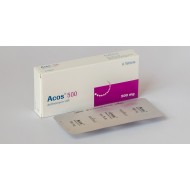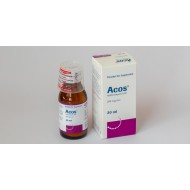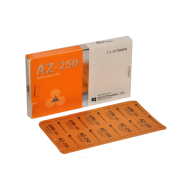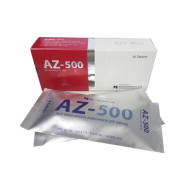

- Stock: Pre-Order
- Brand: Opsonin Pharma Limited
- Product ID: Azithromycin
🔒 100% Secure Payment | bKash | Nagad | SSLCommerz | COD
⭐ Become a FREE Member: 7% Extra Savings • Free Delivery • Refill Reminders • Priority Support
This Item is for pre order
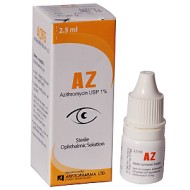
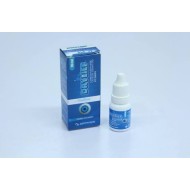
Azicin 1% Solution — Azithromycin Ophthalmic Solution for Bacterial Conjunctivitis
| Attribute | Details |
|---|---|
| Brand Name | Azicin |
| Generic Name | Azithromycin |
| Strength | 1% w/v (10 mg/mL) |
| Dosage Form | Ophthalmic Solution (Eye Drops) |
| Drug Class | Macrolide Antibiotic (Topical Ophthalmic) |
| Manufacturer | Opsonin Pharma Limited, Bangladesh |
| Route of Administration | Topical ophthalmic (conjunctival instillation) |
About Azicin 1% Ophthalmic Solution
Azicin 1% Solution is a topical ophthalmic preparation containing azithromycin 1% w/v (10 mg/mL) manufactured by Opsonin Pharma Limited, Bangladesh. Azithromycin ophthalmic solution is a macrolide antibiotic indicated for the treatment of bacterial conjunctivitis caused by susceptible organisms. A key pharmacological advantage of azithromycin ophthalmic solution over other topical antibiotics is its unique tissue-concentrating property: azithromycin accumulates in conjunctival tissue at concentrations far exceeding its minimum inhibitory concentration (MIC) for common ocular pathogens, and these tissue concentrations are sustained for 24 hours or longer after a single instillation — enabling twice-daily or even once-daily dosing schedules rather than the hourly dosing required with conventional antibiotics like chloramphenicol or gentamicin.
Bacterial conjunctivitis is one of the most common ocular presentations in Bangladesh, particularly in the high-humidity tropical climate that facilitates transmission of Haemophilus influenzae, Streptococcus pneumoniae, and Staphylococcus aureus — the most frequent causative organisms. Azicin 1% Solution covers all three major pathogens and additionally has activity against atypical organisms including Chlamydia trachomatis (trachoma), which remains endemic in some regions of Bangladesh.
Spectrum of Activity and Microbiological Coverage
Azithromycin ophthalmic 1% has broad-spectrum activity against the principal bacterial causes of conjunctivitis. Gram-positive coverage: Staphylococcus aureus (including MSSA), Staphylococcus epidermidis, Streptococcus pneumoniae, Streptococcus pyogenes. Gram-negative coverage: Haemophilus influenzae, Moraxella catarrhalis. Atypical/intracellular: Chlamydia trachomatis — importantly, azithromycin has excellent intracellular penetration and is highly active against Chlamydia, making Azicin 1% appropriate as primary treatment for chlamydial conjunctivitis (inclusion conjunctivitis) alongside systemic azithromycin. Azithromycin ophthalmic is generally considered superior to tobramycin and comparable to moxifloxacin for bacterial conjunctivitis coverage, with the additional advantage of once-or-twice daily dosing improving patient adherence.
Diabetic Ocular Relevance
Patients with diabetes mellitus are significantly more susceptible to ocular infections, including bacterial conjunctivitis and blepharitis, due to several mechanisms: hyperglycaemia impairs neutrophil function and tear film antimicrobial activity; diabetic autonomic neuropathy reduces lacrimal secretion (dry eye), compromising the mechanical and antimicrobial barrier function of the tear film; and microvascular changes in conjunctival vessels impair local immune surveillance. Bacterial conjunctivitis in diabetic patients therefore presents more frequently, may be more severe, and may take longer to resolve than in non-diabetic individuals. Azicin 1% Solution, with its prolonged tissue concentrations and broad-spectrum coverage, is particularly appropriate in the diabetic patient where reliable eradication of the causative organism is essential to prevent progression to keratitis or more serious ocular infection.
Dosage and Instillation Technique
Standard adult and paediatric (aged 1 year and above) dosage: instil 1 drop into the affected eye(s) twice daily (morning and evening), 8–12 hours apart, for the recommended treatment duration (typically 3–5 days for uncomplicated acute bacterial conjunctivitis). Some protocols use once-daily instillation for 3 days owing to azithromycin's prolonged tissue retention. Instillation technique: wash hands thoroughly before use. Tilt the head slightly back, gently pull down the lower eyelid to form a pocket. Hold the bottle approximately 1–2 cm above the eye; instil one drop into the conjunctival pocket. Release the lower eyelid and gently close the eye. Apply gentle pressure to the inner corner of the eye (nasolacrimal occlusion) for 1–2 minutes to reduce systemic absorption and maximise conjunctival contact time. Do not blink vigorously or rub the eye after instillation.
Contact Lens Considerations
Patients should not wear contact lenses during active bacterial conjunctivitis regardless of which antibiotic eye drop is prescribed — conjunctivitis causes a breakdown of the ocular surface barrier, and contact lenses harbour bacteria, interfere with drug delivery, and delay resolution. Contact lenses (both soft and rigid) should be removed before instilling any eye drops and should not be reinserted until at least 15 minutes after instillation to avoid diluting or absorbing the medication. Disposable contact lenses used during the course of bacterial conjunctivitis should be discarded, not reworn. Return to contact lens use is appropriate only after complete resolution of symptoms and at least 24 hours after completing antibiotic treatment.
Frequently Asked Questions (FAQ)
Q1: How is Azicin 1% Solution different from chloramphenicol eye drops?
Azicin 1% (azithromycin) offers several advantages over chloramphenicol eye drops. First, dosing convenience: azithromycin's high ocular tissue penetration sustains effective concentrations for 12–24 hours, enabling twice-daily (vs. 4–6 times daily for chloramphenicol) dosing — much better for patient adherence. Second, safety: chloramphenicol, though rare with topical use, carries a theoretical risk of aplastic anaemia; azithromycin does not carry this risk. Third, coverage of Chlamydia: azithromycin is active against Chlamydia trachomatis; chloramphenicol is not reliably active against atypical organisms. Fourth, resistance: azithromycin's tissue concentrations far exceed MICs for susceptible organisms, reducing the selective pressure for resistance emergence compared with sub-therapeutic chloramphenicol concentrations achieved with less frequent instillation.
Q2: Can Azicin 1% Solution be used in children?
Yes — azithromycin 1% ophthalmic solution is approved for use in children aged 1 year and above. It is well tolerated in paediatric patients; common side effects (mild transient burning or stinging immediately after instillation, eye discharge) are the same as in adults and are generally mild. For neonatal conjunctivitis (ophthalmia neonatorum), specialist assessment is essential before prescribing — neonatal conjunctivitis requires organism-specific treatment (topical erythromycin for chlamydial; systemic antibiotics for gonococcal). For children from age 1 with uncomplicated bacterial conjunctivitis, the dosing and technique are identical to adults.
Q3: How long before Azicin 1% Solution improves conjunctivitis?
Most patients with uncomplicated bacterial conjunctivitis notice significant improvement in discharge, redness, and crusting within 48–72 hours of starting Azicin 1% Solution. Complete resolution typically occurs within 5–7 days. Continue the full prescribed course even if symptoms resolve earlier to ensure complete bacterial eradication and prevent recurrence. If no improvement occurs within 48–72 hours, or if symptoms worsen, physician reassessment is needed — this may indicate viral conjunctivitis (which does not respond to antibiotics), antibiotic-resistant organisms, or a more serious ocular condition such as keratitis requiring specialist evaluation.
Q4: What are the side effects of Azicin 1% ophthalmic solution?
Azicin 1% is well tolerated by most patients. The most common side effects are local and transient: mild burning or stinging immediately after instillation (resolves within 1–2 minutes), temporary eye discharge, eye irritation, or mild conjunctival redness at instillation. Ocular itching and dry eye sensation are occasionally reported. True allergic reactions (contact allergy) to azithromycin are very rare. Systemic side effects are extremely unlikely with topical ophthalmic use due to minimal systemic absorption. Patients should report any worsening of redness, pain, photophobia, or visual changes — these may indicate a more serious condition requiring ophthalmological review.
Medical Disclaimer: Azicin 1% Solution is for topical ophthalmic use only — never instil in the ear or use orally. Persistent or worsening conjunctivitis, eye pain, photophobia, or visual changes require urgent ophthalmological assessment to exclude keratitis, iritis, or glaucoma. Not a substitute for culture-directed therapy in severe or recurrent infections.