🔒 100% Secure Payment | bKash | Nagad | SSLCommerz | COD
⭐ Become a FREE Member: 7% Extra Savings • Free Delivery • Refill Reminders • Priority Support
This Item is for pre order
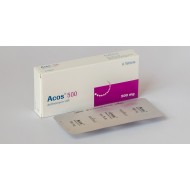
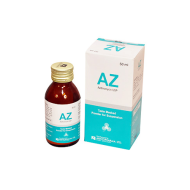
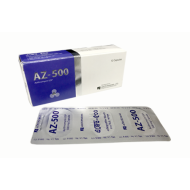
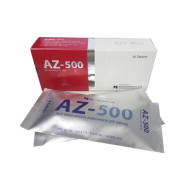
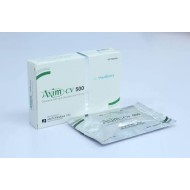
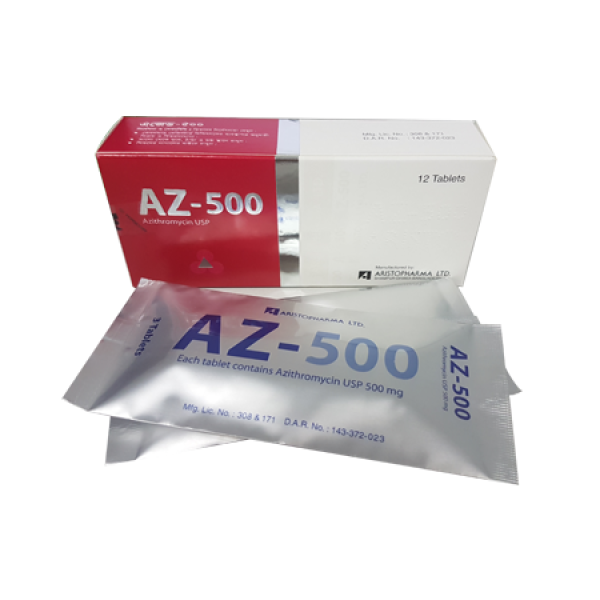
Az 500 Tablet (Azithromycin 500mg) — Clinical Overview
| Attribute | Details |
|---|---|
| Brand Name | Az |
| Generic Name | Azithromycin |
| Strength | 500 mg |
| Dosage Form | Film-coated Tablet |
| Drug Class | Macrolide Antibiotic (Azalide subclass) |
| Manufacturer | ACI Limited, Bangladesh |
| Route of Administration | Oral |
| Usual Pack Size | Per tablet / strip |
What Is Az 500 Tablet?
Az 500 is azithromycin 500 mg film-coated tablet manufactured by ACI Limited, Bangladesh. The 500 mg tablet is the standard full-strength formulation — used as the once-daily adult dose for 3-day pneumonia regimens, the loading dose in 5-day courses, and in multi-tablet single-dose regimens for sexually transmitted infections. Azithromycin is an azalide antibiotic derived from erythromycin, with superior tissue penetration, a much longer half-life (68 hours), and a simpler dosing schedule compared to older macrolides.
Azithromycin inhibits bacterial protein synthesis by binding to the 23S rRNA component of the 50S ribosomal subunit, preventing peptidyl transferase activity and inhibiting translocation of aminoacyl-tRNA. This effect is bacteriostatic at usual concentrations but can be bactericidal at higher concentrations for pathogens such as Haemophilus influenzae. The drug accumulates extensively in tissues and phagocytes, delivering sustained concentrations at infection sites that persist for several days after the last oral dose — a property that enables short-course therapy.
Primary Indications and Dosing
Community-acquired pneumonia (3-day regimen): 500 mg once daily for 3 days — the most convenient regimen for mild CAP. Total drug exposure is equivalent to 5-day regimens due to azithromycin's long tissue half-life. Community-acquired pneumonia (5-day regimen): 500 mg on day 1 as loading dose, then switch to 250 mg tablets on days 2–5. Severe CAP (with beta-lactam): 500 mg IV azithromycin (or oral 500 mg if able to swallow) plus beta-lactam for dual coverage including atypical organisms. Typhoid fever (uncomplicated): 500 mg once daily for 7 days — highly effective against fluoroquinolone-resistant Salmonella typhi strains prevalent in Bangladesh. Acute bacterial sinusitis: 500 mg once daily for 3 days. AECOPD: 500 mg once daily for 3 days, or prolonged low-dose maintenance therapy (250 mg 3 times weekly) to reduce exacerbation frequency. Traveller's diarrhoea (Campylobacter, enterotoxigenic E. coli): 500 mg once daily for 3 days or 1g single dose.
Chlamydia and STI Single-Dose Treatment
Uncomplicated urogenital Chlamydia trachomatis infection: azithromycin 1g (two 500mg tablets) as a single oral dose is the WHO-recommended and Bangladesh STI guideline-endorsed treatment. This single-visit, directly observed therapy achieves cure rates exceeding 95% for uncomplicated chlamydial urethritis and cervicitis. The single-dose format eliminates the risk of incomplete treatment that occurs with multi-day doxycycline regimens. Both sexual partners should be treated simultaneously. Note: doxycycline 100 mg twice daily for 7 days has been shown to have slightly higher cure rates in rectal chlamydia infections and may be preferred for those indications. Azithromycin is NOT effective against gonorrhoea as monotherapy at the 1g dose and must not be used alone for gonorrhoea.
Azithromycin 500mg in Helicobacter pylori Eradication
Helicobacter pylori is the primary cause of peptic ulcer disease and a major risk factor for gastric cancer — both important concerns in Bangladesh. Azithromycin-based H. pylori eradication regimens are used where clarithromycin resistance is confirmed or as rescue therapy. Sequential therapy: PPI (omeprazole 20mg twice daily) + amoxicillin 1g twice daily for 5 days, then PPI + azithromycin 500mg twice daily + metronidazole 500mg twice daily for 5 more days — 10 days total. Quadruple therapy: PPI + bismuth + azithromycin + another antibiotic (rescue regimen for clarithromycin-resistant cases). However, in Bangladesh, rising azithromycin resistance in H. pylori isolates means clarithromycin-based triple therapy (where clarithromycin sensitivity is confirmed) or bismuth-based quadruple therapy remains the preferred first-line regimen in most centres. Culture and sensitivity testing before eradication therapy is ideal.
Prolonged Low-Dose Azithromycin for COPD Exacerbation Prevention
An evidence-based but less well-known indication: azithromycin 250 mg three times weekly (or 500 mg once daily for 3 days per month) as long-term maintenance therapy significantly reduces the frequency of AECOPD exacerbations in high-risk patients. A landmark New England Journal of Medicine study (Albert et al., 2011) demonstrated a 27% reduction in exacerbation frequency with this approach. Mechanism: azithromycin has anti-inflammatory and immunomodulatory properties beyond its antibacterial effect, including inhibition of NF-κB, reduction of IL-6 and TNF-alpha, and enhanced mucociliary clearance. This prolonged-use regimen carries risks: potential hearing loss (audiometric monitoring recommended), increased macrolide resistance in the community, and cardiac QT prolongation with long-term use. Patient selection and specialist guidance is essential for this indication.
Azithromycin Resistance and Antimicrobial Stewardship
Azithromycin overuse — particularly for viral respiratory infections, COVID-19, and self-medicated common colds — has driven macrolide resistance rates upward in Bangladesh. Key facts: azithromycin has NO activity against viruses; it is completely ineffective for viral upper respiratory infections, influenza, and COVID-19. Multiple WHO and national-level guidance documents emphasise that azithromycin should only be prescribed for confirmed or highly suspected bacterial infections. Indiscriminate azithromycin use selects for resistant Streptococcus pneumoniae (the leading cause of bacterial pneumonia), Mycoplasma pneumoniae, and enteric pathogens. Prescribers are encouraged to take bacterial cultures before prescribing azithromycin for serious infections, and to limit courses to the minimum effective duration.
QT Prolongation Risk — Critical Safety Information
Azithromycin prolongs the cardiac QT interval through inhibition of the hERG potassium channel. This can predispose to torsades de pointes (TdP) — a potentially fatal ventricular arrhythmia. Risk is highest in patients with: pre-existing QT prolongation or long QT syndrome; concurrent use of other QT-prolonging drugs (antiarrhythmics, certain antipsychotics, moxifloxacin, chloroquine); hypokalaemia or hypomagnesaemia; bradycardia; and structural heart disease. The FDA issued a Drug Safety Communication in 2013 warning about azithromycin's QT risk. In Bangladesh, where chloroquine/hydroxychloroquine and certain antipsychotics are commonly co-prescribed, clinicians should carefully assess for QT risk before prescribing Az 500mg. An ECG may be warranted before starting azithromycin in high-risk patients.
Frequently Asked Questions (FAQ)
Q1: What is the difference between Az 250 and Az 500 tablets?
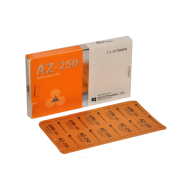
Az 250 and Az 500 contain the same active ingredient (azithromycin) by ACI Limited — the difference is the dose per tablet. Az 500mg is used for once-daily 3-day regimens (500mg × 3 days for pneumonia), as the day-1 loading dose in 5-day courses, and for single-dose STI treatment (two 500mg tablets = 1g). Az 250mg is used for the maintenance doses in 5-day courses (days 2–5) and for paediatric dosing. Both achieve the same clinical outcomes when used in appropriate regimens.
Q2: Can Az 500mg be used for typhoid fever in Bangladesh?
Yes, azithromycin 500mg once daily for 7 days is effective for uncomplicated typhoid fever and is particularly valuable against fluoroquinolone-resistant Salmonella typhi strains, which are increasingly common in Bangladesh. It is a recommended alternative first-line agent per Bangladesh national treatment protocols when fluoroquinolone resistance is suspected or confirmed. For severe typhoid with complications, IV ceftriaxone remains the treatment of choice.
Q3: Is it safe to take Az 500 with antacids?
Aluminium and magnesium-containing antacids reduce the peak plasma concentration of azithromycin by approximately 24%, though total drug absorption (AUC) is less affected. To minimise this interaction, take azithromycin at least 1 hour before or 2 hours after antacid-containing medications. Proton pump inhibitors (omeprazole, pantoprazole) and H2 blockers (ranitidine, famotidine) do not significantly interact with azithromycin.
Q4: How long after taking Az 500mg does it remain active in the body?
Due to its very long tissue half-life of approximately 68 hours and extensive tissue accumulation, azithromycin remains active in tissues for approximately 5–7 days after the last oral dose. Plasma half-life alone underestimates its duration of effect — tissue concentrations in lung, tonsil, and prostate may exceed plasma concentrations by 10–100 fold. This sustained tissue activity is why a 3-day or 5-day course provides approximately 10 days of effective antibacterial coverage at the infection site.
Medical Disclaimer: This content is for healthcare professional reference and patient education only. Az 500 Tablet is a prescription-only antibiotic. Antibiotic use without a valid prescription contributes to antimicrobial resistance — a global public health emergency. Always consult a qualified physician or pharmacist before taking antibiotics.