- Stock: In Stock
- Brand: Sanofi Bangladesh Limited
- Product ID: Multivitamin & Multimineral [A-Z silver preparation]
Available Options
🔒 100% Secure Payment | bKash | Nagad | SSLCommerz | COD
⭐ Become a FREE Member: 7% Extra Savings • Free Delivery • Refill Reminders • Priority Support
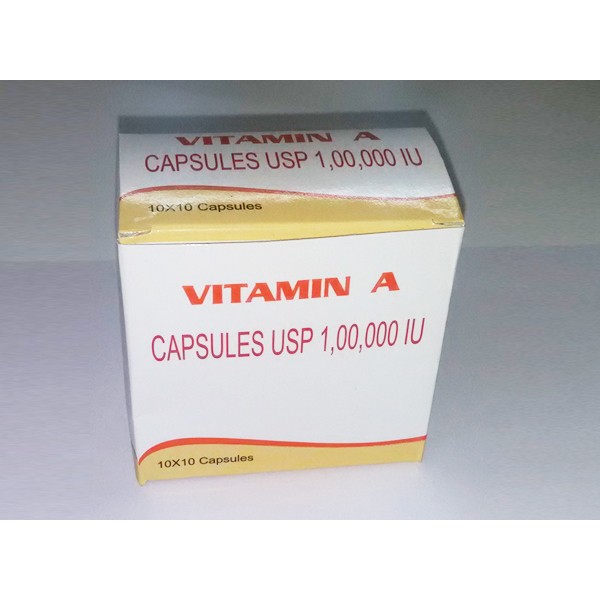
A Vit-1 Soft Capsule — Vitamin A 100,000 IU
Generic Name: Retinol (Vitamin A) 100,000 IU (30mg)
Manufacturer: Beximco Pharmaceuticals Ltd.
Drug Class: Fat-Soluble Vitamin — Retinoid
Dosage Form: Soft Gelatin Capsule
Prescription Status: Prescription Only at therapeutic doses
About Vitamin A (Retinol)
Vitamin A is an essential fat-soluble micronutrient existing in two main forms: preformed Vitamin A (retinol, retinal, retinoic acid) found in animal products, and provitamin A carotenoids (beta-carotene) found in plants. It plays critical roles in vision, immune function, cellular differentiation, and tissue maintenance.
A Vit-1 provides 100,000 IU (approximately 30mg retinol equivalent) — a therapeutic dose used for treatment of clinical Vitamin A deficiency and its complications.
Key Physiological Roles
| System | Role of Vitamin A |
|---|---|
| Vision | Synthesis of rhodopsin (visual purple) in rod cells — essential for night vision and dark adaptation |
| Immune system | Maintains epithelial integrity (first-line barrier against infection); supports T-cell and B-cell function |
| Cellular differentiation | Retinoic acid regulates gene expression via nuclear retinoid receptors (RAR/RXR); essential for embryonic development |
| Skin and mucous membranes | Maintains healthy epithelium in skin, GI tract, respiratory and urinary tracts |
| Reproductive health | Required for spermatogenesis and fetal development |
| Endocrine (diabetes-relevant) | Retinol and retinoic acid modulate pancreatic beta-cell function and insulin secretion; deficiency may impair beta-cell response |
Indications for 100,000 IU Therapeutic Dose
- Clinical Vitamin A deficiency: Xerophthalmia (dry eyes), Bitot's spots, night blindness (nyctalopia), corneal ulceration
- Prophylaxis in high-risk populations: Children aged 6 months to 5 years in deficiency-endemic areas (WHO protocol: 100,000–200,000 IU every 4–6 months)
- Measles: High-dose Vitamin A reduces severity and mortality in measles-associated Vitamin A deficiency
- Post-gastrointestinal surgery: Fat malabsorption states (short bowel syndrome, biliary obstruction, Crohn's disease)
- Severe protein-energy malnutrition
Dosage and Administration
| Indication | Dose | Schedule |
|---|---|---|
| Adults — severe deficiency | 100,000 IU | Once daily for 3 days, then weekly × 4 weeks |
| Children 1–5 years (WHO protocol) | 100,000–200,000 IU | Single dose; repeat at 1–4 weeks if severe |
| Infants 6–12 months | 50,000 IU | Single therapeutic dose (half capsule) |
| Measles (children) | 200,000 IU | Day 1 and Day 2 of illness |
Take with a fatty meal to maximise absorption (fat-soluble vitamin). Do not take on an empty stomach. Swallow capsule whole.
Hypervitaminosis A — Toxicity Warning
Vitamin A accumulates in the liver and adipose tissue. Overdose causes:
- Acute toxicity (single large dose): Nausea, vomiting, headache, raised intracranial pressure (pseudotumour cerebri), visual disturbances
- Chronic toxicity (excess doses over weeks/months): Liver damage (hepatotoxicity, cirrhosis), bone pain, hair loss (alopecia), dry skin, lip cracking (cheilitis), elevated intracranial pressure, teratogenicity
- Teratogenicity: Excess Vitamin A is highly teratogenic — absolutely contraindicated in pregnancy at doses above 10,000 IU/day. Women of childbearing age must use effective contraception during high-dose therapy
- Safe upper limit (adults): 10,000 IU/day for regular supplementation; 100,000 IU therapeutic doses must be short-course only as prescribed
Vitamin A and Diabetic Patients — Special Considerations
- Diabetic retinopathy: Vitamin A is essential for retinal health — deficiency may worsen photoreceptor function. However, high-dose Vitamin A supplementation has NOT been proven to prevent or treat diabetic retinopathy and should not be used for this purpose without evidence-based guidance
- Night blindness in diabetes: Diabetic patients may experience night vision changes — Vitamin A deficiency should be excluded as a contributing factor before attributing solely to diabetic retinopathy
- Hepatic function: Diabetic patients with non-alcoholic fatty liver disease (NAFLD) or alcoholic liver disease are at greater risk of Vitamin A hepatotoxicity — avoid high therapeutic doses without liver function assessment
- Beta-carotene vs. retinol: Beta-carotene (plant-derived provitamin A) is converted to retinol on demand and does not cause toxicity — safer as a maintenance supplement for diabetics. High-dose preformed retinol (as in this product) should be for clinical deficiency only
- Zinc deficiency: Zinc is required for retinol-binding protein synthesis; diabetic patients with zinc deficiency (common in diabetes) may have functional Vitamin A deficiency despite normal serum levels — address zinc deficiency concurrently
- Renal impairment: Vitamin A accumulates in renal failure — use with caution in diabetic nephropathy; avoid repeated high doses
Contraindications
- Pregnancy (doses >10,000 IU/day) — teratogenic risk
- Hypervitaminosis A
- Hepatic failure or severe liver disease
- Concurrent use of retinoid drugs (isotretinoin, acitretin) — additive toxicity
Drug Interactions
- Retinoids (isotretinoin, acitretin): Additive hypervitaminosis A risk — avoid concurrent use
- Orlistat (anti-obesity drug): Reduces absorption of fat-soluble vitamins including Vitamin A — separate doses by at least 2 hours
- Warfarin: High-dose Vitamin A may potentiate anticoagulant effect — monitor INR
- Colestyramine, mineral oil: Reduce Vitamin A absorption
Storage
Store below 25°C in a cool, dry place protected from light. Soft gelatin capsules should not be exposed to heat or humidity. Keep out of reach of children.
Medical Disclaimer
The information provided here is for educational and informational purposes only and is not a substitute for professional medical advice, diagnosis, or treatment. A Vit-1 100,000 IU is a high-dose therapeutic Vitamin A preparation and must only be used under medical supervision. Self-supplementation with high-dose Vitamin A carries serious toxicity risks. Always consult your doctor or pharmacist before use. DiabetesStore.com.bd does not endorse self-medication. Seek immediate medical attention in case of any adverse reaction or signs of Vitamin A toxicity.