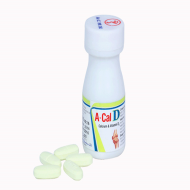
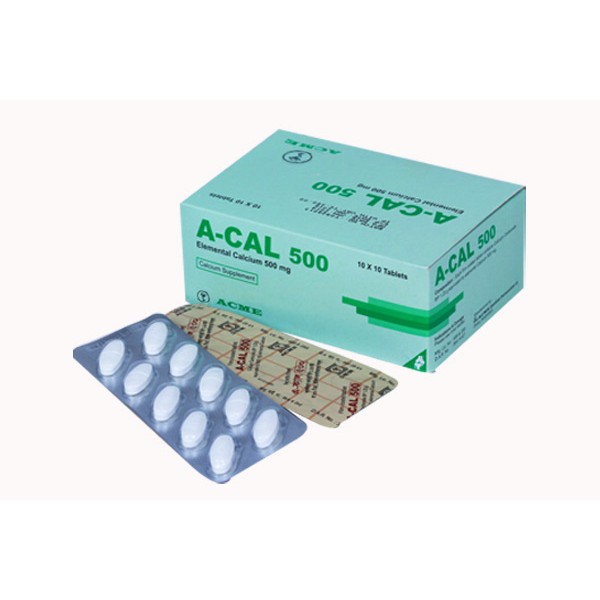
- Stock: Out Of Stock
- Brand: Acme Laboratories Limited
- Product ID: Calcium Carbonate
🔒 100% Secure Payment | bKash | Nagad | SSLCommerz | COD
⭐ Become a FREE Member: 7% Extra Savings • Free Delivery • Refill Reminders • Priority Support
This Item is for pre order
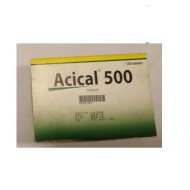
A-Cal 500 mg Tablet (Calcium Carbonate) — Product Overview
| Quick Reference | |
|---|---|
| Brand Name | A-Cal 500 |
| Generic Name | Calcium Carbonate 500 mg (provides 200 mg elemental calcium) |
| Drug Class | Calcium Supplement / Antacid |
| Manufacturer | ACI Limited, Bangladesh |
| Dosage Form | Tablet |
| Elemental Calcium | 200 mg per tablet (500 mg carbonate = 40% elemental calcium) |
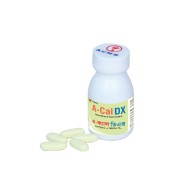
| Also Available | A-Cal DX (with Vitamin D3 400 IU) for better absorption |
| Storage | Below 25°C, dry place, protected from light |
| Prescription Status | Available without prescription (OTC) |
What is A-Cal 500 (Calcium Carbonate)?
A-Cal 500 mg Tablet contains Calcium Carbonate, the most widely used and cost-effective form of oral calcium supplementation. Calcium Carbonate contains 40% elemental calcium — the highest concentration of any calcium salt — meaning each 500 mg tablet delivers 200 mg of actual calcium to the body. It is used both as a calcium supplement to prevent and treat calcium deficiency, and as an antacid to relieve heartburn and acid indigestion. A-Cal 500 is manufactured by ACI Limited and is one of the most affordable calcium supplements available in Bangladesh.
Why Calcium is Essential
Calcium is the most abundant mineral in the human body, with 99% stored in bones and teeth. The remaining 1% in blood and soft tissues plays critical roles in:
- Bone and tooth strength: Structural component of hydroxyapatite crystals in bone matrix
- Muscle contraction: Calcium triggers actin-myosin interaction in all muscle types including the heart
- Nerve transmission: Calcium is essential for neurotransmitter release at nerve terminals
- Blood clotting: Factor IV in the coagulation cascade
- Cell signalling: Second messenger in multiple hormonal pathways including insulin signalling
When dietary calcium is insufficient, the body withdraws calcium from bones — progressively weakening them, leading to osteopenia and eventually osteoporosis.
Calcium and Diabetes
Calcium plays an important role in insulin secretion — intracellular calcium triggers the exocytosis of insulin vesicles from pancreatic beta cells. Some studies suggest that adequate calcium intake is associated with a lower risk of type 2 diabetes. Diabetic patients are also at higher risk of osteoporosis due to vitamin D deficiency (common in diabetes) and reduced bone mineral density. Calcium supplementation is therefore an important consideration in diabetes management, particularly for post-menopausal women with diabetes.
Indications
- Calcium deficiency (hypocalcaemia): Dietary insufficiency, malabsorption
- Osteoporosis prevention: As adjunct therapy (particularly with Vitamin D)
- Post-menopausal calcium supplementation
- Pregnancy and lactation: Increased calcium requirements
- Antacid use: Heartburn, acid indigestion, sour stomach — calcium carbonate neutralises gastric acid rapidly
- Hyperphosphataemia: In chronic kidney disease — calcium carbonate binds dietary phosphate (under medical supervision)
- Osteomalacia / rickets adjunct
Dosage and Administration
Calcium supplementation (adults): 500 mg–1,000 mg calcium carbonate (1–2 tablets) per day in divided doses. Daily elemental calcium intake from all sources (diet + supplements) should not exceed 2,500 mg.
Antacid use: 500–1,500 mg (1–3 tablets) as needed for symptom relief, up to 4 times daily. Maximum antacid dose: 7,500 mg/day for maximum 2 weeks.
Hyperphosphataemia (CKD): Dose individualised by a nephrologist based on serum phosphate levels.
Key administration tip: Take with meals. Calcium carbonate requires gastric acid for dissolution — food stimulates acid secretion and significantly improves absorption. Taking on an empty stomach, especially in elderly patients with low acid output, greatly reduces absorption efficiency. Split doses across 2–3 meals rather than one large daily dose for better absorption.
Calcium Carbonate vs Other Calcium Salts
Calcium Carbonate (A-Cal 500): 40% elemental calcium — highest among all salts. Must be taken with food for best absorption. More economical. May cause constipation.
Calcium Citrate: 21% elemental calcium. Can be taken on empty stomach. Better for patients with low stomach acid (elderly, on PPIs). More expensive.
For most patients with normal gastric acid, calcium carbonate taken with meals is the preferred and most cost-effective choice.
Contraindications
- Hypercalcaemia (elevated blood calcium)
- Severe renal impairment (risk of calcium accumulation)
- Hypercalciuria (excess calcium in urine) or calcium kidney stones
- Hypervitaminosis D
- Sarcoidosis or other granulomatous diseases
Side Effects
Common: Constipation (most frequent complaint — increase fluid and fibre intake), bloating, flatulence, nausea.
Uncommon: Hypercalcaemia with excessive dosing — thirst, polyuria, fatigue, confusion.
Rare: Milk-alkali syndrome (with very high calcium + antacid use), kidney stones in susceptible patients.
Important Drug Interactions
- Iron supplements: Calcium inhibits iron absorption — separate by at least 2 hours
- Levothyroxine (thyroid hormone): Calcium reduces absorption — take thyroid medication at least 4 hours before calcium
- Bisphosphonates (alendronate): Must be taken at completely separate times — calcium blocks bisphosphonate absorption
- Tetracycline/quinolone antibiotics: Calcium chelates these — separate doses by 2 hours
- Thiazide diuretics: Reduce renal calcium excretion — risk of hypercalcaemia with high-dose calcium
Frequently Asked Questions (FAQ)
Q: When is the best time to take A-Cal 500 mg?
A: Take with meals — food stimulates stomach acid, which is essential for dissolving and absorbing calcium carbonate. Lunch and dinner are ideal. Split the daily dose across 2 meals for better absorption than one large dose.
Q: Is A-Cal 500 the same as A-Cal DX?
A: A-Cal 500 contains calcium carbonate only. A-Cal DX additionally contains Vitamin D3 400 IU. Since Vitamin D3 is essential for calcium absorption, A-Cal DX is generally preferred for supplementation. A-Cal 500 (without D3) is used when Vitamin D is supplemented separately or as an antacid.
Q: Can A-Cal 500 be used as an antacid for heartburn?
A: Yes. Calcium carbonate is an effective and fast-acting antacid for heartburn and acid indigestion. Relief typically occurs within 5–15 minutes. For chronic heartburn or GERD, consult a doctor rather than relying on antacids long-term.
Q: Why do I get constipated after taking calcium supplements?
A: Constipation is the most common side effect of calcium carbonate. Increase daily water intake (at least 8 glasses/day) and dietary fibre. If constipation persists, consider switching to calcium citrate (less constipating) or adding a fibre supplement.
Medical Disclaimer
For educational purposes only. Consult a healthcare professional before starting calcium supplementation if you have kidney disease, a history of kidney stones, or are taking thyroid medication, antibiotics, or bisphosphonates. Do not exceed the recommended daily dose.