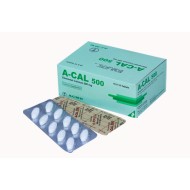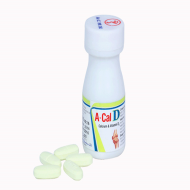
- Stock: Out Of Stock
- Brand: Acme Laboratories Limited
- Product ID: Calcium Carbonate
🔒 100% Secure Payment | bKash | Nagad | SSLCommerz | COD
⭐ Become a FREE Member: 7% Extra Savings • Free Delivery • Refill Reminders • Priority Support
This Item is for pre order
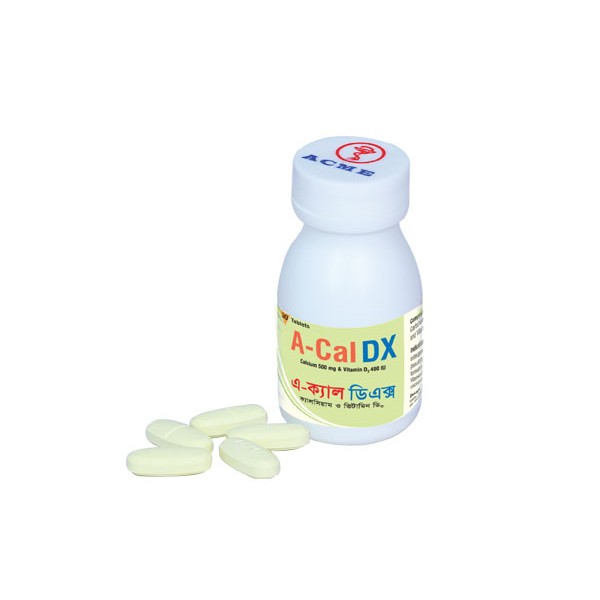
A-Cal DX Tablet (Calcium 500 mg + Vitamin D3 400 IU) — Product Overview
| Quick Reference | |
|---|---|
| Brand Name | A-Cal DX |
| Generic Name | Calcium Carbonate 500 mg + Cholecalciferol (Vitamin D3) 400 IU |
| Drug Class | Calcium + Vitamin D Supplement |
| Manufacturer | ACI Limited, Bangladesh |
| Dosage Form | Tablet |
| Pack Size | 30 tablets per pack |
| Provides | Calcium 500 mg + Vitamin D3 400 IU per tablet |
| Storage | Below 25°C, dry place, protected from light |
| Prescription Status | Available without prescription (OTC) |
What is A-Cal DX?
A-Cal DX is a combination supplement containing Calcium Carbonate 500 mg and Cholecalciferol (Vitamin D3) 400 IU. This combination is considered the gold standard for calcium supplementation because Vitamin D3 is essential for calcium absorption in the gut — calcium alone is poorly absorbed without adequate Vitamin D. A-Cal DX is used to prevent and treat calcium deficiency, support bone health, and as an adjunct in treating osteoporosis. It is particularly important for women over 40, the elderly, diabetic patients, and individuals with limited sun exposure.
Why Calcium + Vitamin D3 Together?
Calcium and Vitamin D3 work synergistically. Vitamin D3 is converted in the body to its active form (calcitriol), which stimulates the production of calcium-binding proteins in the intestine, dramatically increasing calcium absorption from 10–15% (without Vitamin D) to 30–40% (with adequate Vitamin D). Without Vitamin D, even high calcium intake is largely wasted. The combination in A-Cal DX ensures your body actually absorbs and uses the calcium you take.
Indications
A-Cal DX is indicated for:
- Osteoporosis prevention and adjunct treatment: With or without antiresorptive medications (bisphosphonates)
- Calcium deficiency: Hypocalcaemia, dietary insufficiency
- Vitamin D deficiency: Especially in patients with limited sun exposure (office workers, women wearing full-body covering, elderly)
- Post-menopausal women: Reduced oestrogen accelerates bone loss; calcium + D3 is standard supplementation
- Pregnancy and lactation: Increased calcium demands
- Elderly patients: Reduced dietary intake and impaired Vitamin D synthesis
- Diabetic patients: Often have lower Vitamin D levels; deficiency linked to insulin resistance
- Corticosteroid-induced osteoporosis: Long-term steroid users require calcium + D supplementation
- After bariatric surgery: Impaired calcium absorption
Vitamin D, Calcium, and Diabetes
Research increasingly links Vitamin D deficiency to insulin resistance and poor glycaemic control. Vitamin D receptors are present in pancreatic beta cells, and adequate Vitamin D levels appear to support insulin secretion and sensitivity. Studies suggest that correcting Vitamin D deficiency in diabetic patients may help improve blood glucose control. Calcium also plays a role in insulin signalling at the cellular level. A-Cal DX is therefore particularly relevant for patients managing diabetes and bone health simultaneously.
Dosage and Administration
Adults (general supplementation): 1 tablet once or twice daily, depending on dietary calcium intake and medical advice.
Osteoporosis (adjunct): 1 tablet twice daily (providing 1000 mg calcium + 800 IU Vitamin D3 per day).
Pregnancy/lactation: 1 tablet once daily or as recommended by a gynaecologist.
Administration: Take with meals — calcium carbonate requires stomach acid for dissolution and absorption, and food stimulates acid secretion. Do not take with iron supplements (calcium inhibits iron absorption) — separate by at least 2 hours.
Contraindications
- Hypercalcaemia (elevated blood calcium) or hypercalciuria
- Severe renal impairment (risk of calcium accumulation)
- Nephrolithiasis (kidney stones) — use with caution and under medical supervision
- Hypervitaminosis D
- Sarcoidosis or other granulomatous diseases (increased sensitivity to Vitamin D)
Side Effects
Common: Constipation, bloating, flatulence, nausea (take with food to reduce GI effects).
Uncommon: Hypercalcaemia (with excessive dosing) — symptoms include thirst, frequent urination, weakness, confusion.
Rare: Milk-alkali syndrome (very high doses with antacid use), kidney stones (in susceptible individuals).
Drug Interactions
- Iron supplements: Calcium inhibits iron absorption — separate doses by 2 hours
- Thyroid hormones (levothyroxine): Calcium reduces absorption — take thyroid hormone at least 4 hours apart
- Bisphosphonates (alendronate, risedronate): Must be taken at separate times (calcium blocks bisphosphonate absorption)
- Tetracycline/quinolone antibiotics: Calcium chelates these — separate by 2 hours
- Thiazide diuretics: May increase risk of hypercalcaemia
Frequently Asked Questions (FAQ)
Q: Why is Vitamin D3 combined with Calcium in A-Cal DX?
A: Vitamin D3 is essential for calcium absorption. Without adequate Vitamin D, only 10–15% of dietary calcium is absorbed. With Vitamin D, absorption rises to 30–40%. The combination ensures your body actually uses the calcium you take.
Q: When is the best time to take A-Cal DX?
A: Take with meals, particularly lunch or dinner. Food stimulates stomach acid, which is needed to dissolve calcium carbonate. Avoid taking at the same time as iron supplements, thyroid medications, or antibiotics.
Q: Can diabetic patients take A-Cal DX?
A: Yes. Diabetic patients often have low Vitamin D levels, which may worsen insulin resistance. Calcium + Vitamin D supplementation is particularly beneficial for diabetics who also have osteoporosis risk or confirmed deficiency. Consult your doctor for appropriate dosing.
Q: How do I know if I need calcium and Vitamin D supplementation?
A: Common risk groups include: post-menopausal women, elderly adults, people with limited sun exposure, those on long-term steroids, bariatric surgery patients, and diabetics. A blood test (serum 25-OH Vitamin D, serum calcium) can confirm deficiency.
Medical Disclaimer
The information provided is for educational purposes only. Always consult a healthcare professional before starting calcium supplementation, particularly if you have kidney disease, a history of kidney stones, or are taking thyroid medications, antibiotics, or osteoporosis drugs. Do not exceed the recommended dose.