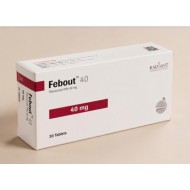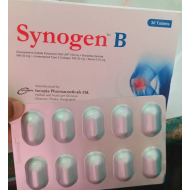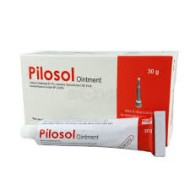

- Stock: In Stock
- Brand: Sanofi Bangladesh Limited
- Product ID: Cephradine
Available Options
🔒 100% Secure Payment | bKash | Nagad | SSLCommerz | COD
⭐ Become a FREE Member: 7% Extra Savings • Free Delivery • Refill Reminders • Priority Support
Abac 125mg/5ml Suspension
Generic Name: Cephradine BP 125mg per 5ml
Manufacturer: Beximco Pharmaceuticals Ltd.
Drug Class: First-Generation Cephalosporin Antibiotic
Dosage Form: Oral Suspension (Powder for Reconstitution)
Prescription Status: Prescription Only (Rx)
Mechanism of Action
Cephradine is a bactericidal first-generation cephalosporin. It inhibits bacterial cell wall synthesis by binding to penicillin-binding proteins (PBPs), preventing cross-linking of peptidoglycan chains. This leads to cell lysis and bacterial death. It is active against many gram-positive cocci and some gram-negative organisms.
Spectrum of Activity
| Sensitivity | Organisms |
|---|---|
| Susceptible | Staphylococcus aureus (MSSA), Streptococcus pyogenes, S. pneumoniae, E. coli, Klebsiella spp., Proteus mirabilis, H. influenzae |
| Resistant | MRSA, Pseudomonas aeruginosa, Enterococcus spp., Bacteroides fragilis, most ESBL-producing organisms |
Indications
- Upper respiratory tract infections (pharyngitis, tonsillitis, sinusitis, otitis media)
- Lower respiratory tract infections (bronchitis, pneumonia)
- Urinary tract infections (UTIs) — uncomplicated cystitis
- Skin and soft tissue infections (impetigo, cellulitis, wound infections)
- Bone and joint infections (adjunctive oral step-down therapy)
Dosage and Administration
| Patient Group | Dose | Frequency |
|---|---|---|
| Children (9–50 kg) | 25–50 mg/kg/day (in divided doses) | Every 6 or 12 hours |
| Severe infections (children) | Up to 100 mg/kg/day | Every 6 hours (max 4g/day) |
| Adults (mild–moderate) | 250–500 mg | Every 6 hours |
Reconstitute with boiled and cooled water to the mark on the bottle. Shake well before each dose. Use the graduated measuring spoon provided. Complete the full course even if feeling better.
Important Notice for Diabetic Patients
- Diabetic foot and skin infections: Cephradine is commonly used for mild-to-moderate skin/soft tissue infections in diabetic patients, but MRSA and gram-negative organisms (common in diabetic foot infections) are resistant — culture and sensitivity testing is essential before use
- Urinary tract infections in diabetes: Effective for uncomplicated UTIs, but diabetic patients are at risk of complicated UTIs — if upper tract involvement (pyelonephritis) is suspected, a broader-spectrum agent is preferred
- Renal impairment: Cephradine is renally eliminated; diabetic nephropathy requiring dose adjustment — creatinine clearance (CrCl) should be checked:
CrCl >20 ml/min: standard dose; CrCl 5–20 ml/min: reduce by 50%; CrCl <5 ml/min: avoid or use with caution - False-positive urine glucose: Cephradine can produce false-positive results with copper reduction urine glucose tests (e.g., Benedict's reagent, Clinitest tablets) — diabetic patients monitoring urine glucose should use glucose oxidase-based tests (dipstick) instead
- Blood glucose effect: Cephradine itself does not directly alter blood glucose. However, the treated infection may cause stress-related glucose elevation; monitor closely during antibiotic therapy
- Oral suspension sugar content: Some suspension formulations contain sucrose — check with pharmacist if on strict carbohydrate control; volume per dose is small and typically clinically insignificant
Contraindications
- Hypersensitivity to cephalosporins
- History of immediate or severe hypersensitivity reaction to penicillins (cross-reactivity ~1–2%)
- Severe renal failure (use with caution, dose adjustment required)
Side Effects
| System | Side Effects |
|---|---|
| Gastrointestinal | Nausea, vomiting, diarrhoea, abdominal discomfort, C. difficile-associated colitis (rare) |
| Hypersensitivity | Rash, urticaria, pruritus, anaphylaxis (rare) |
| Haematological | Eosinophilia, neutropenia, positive Coombs test (rare) |
| Hepatic | Transient elevation of liver enzymes (ALT, AST) |
| Renal | Transient rise in serum creatinine (rare at standard doses) |
Storage
Dry powder: Store below 30°C away from moisture and direct sunlight. After reconstitution: Refrigerate (2–8°C) and use within 7 days. Do not freeze the reconstituted suspension. Shake well before each use. Keep out of reach of children.
Medical Disclaimer
The information provided here is for educational and informational purposes only and is not a substitute for professional medical advice, diagnosis, or treatment. Always consult your doctor or pharmacist before starting, stopping, or altering any medication. Antibiotic therapy should be guided by culture and sensitivity results where possible. DiabetesStore.com.bd does not endorse self-medication. Seek immediate medical attention in case of any adverse reaction.