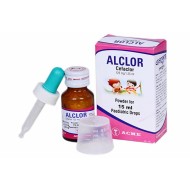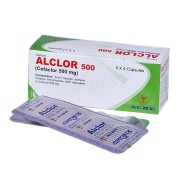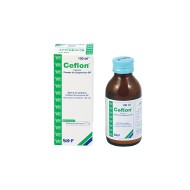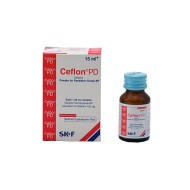
- Stock: Out Of Stock
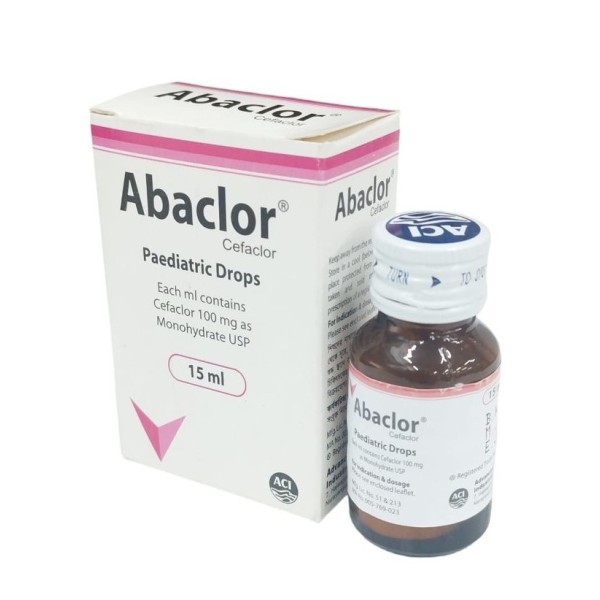
- Brand: ACI Pharmaceuticals
- Product ID: Cefaclor Monohydrate
🔒 100% Secure Payment | bKash | Nagad | SSLCommerz | COD
⭐ Become a FREE Member: 7% Extra Savings • Free Delivery • Refill Reminders • Priority Support
This Item is for pre order
Abaclor 125mg/5ml Suspension (100ml)
Generic Name: Cefaclor Monohydrate 125mg per 5ml
Manufacturer: Beximco Pharmaceuticals Ltd.
Drug Class: Second-Generation Cephalosporin Antibiotic
Dosage Form: Oral Suspension (Powder for Reconstitution), 100ml bottle
Prescription Status: Prescription Only (Rx)
Mechanism of Action
Cefaclor is a bactericidal second-generation cephalosporin with an expanded gram-negative spectrum compared to first-generation agents. It binds penicillin-binding proteins (PBPs) in bacterial cell walls, inhibiting peptidoglycan synthesis and causing osmotic lysis. It is stable against many beta-lactamases produced by common respiratory pathogens such as H. influenzae.
Spectrum of Activity
| Sensitivity | Organisms |
|---|---|
| Gram-positive | Staphylococcus aureus (MSSA), Streptococcus pyogenes, S. pneumoniae, S. agalactiae |
| Gram-negative | H. influenzae, E. coli, Klebsiella pneumoniae, Proteus mirabilis, Moraxella catarrhalis |
| Resistant | MRSA, Pseudomonas aeruginosa, Enterococcus spp., ESBL-producing organisms, Bacteroides spp. |
Indications
- Otitis media — particularly in children (active against H. influenzae and S. pneumoniae)
- Upper respiratory tract infections: pharyngitis, tonsillitis, sinusitis
- Lower respiratory tract infections: acute bronchitis, secondary bacterial infection of chronic bronchitis
- Urinary tract infections — uncomplicated cystitis and pyelonephritis (gram-positive and some gram-negative)
- Skin and soft tissue infections: impetigo, cellulitis, wound infections
Dosage and Administration
| Patient | Dose | Frequency | Duration |
|---|---|---|---|
| Children (>1 month) | 20 mg/kg/day in divided doses | Every 8 hours | 7–10 days |
| Otitis media / severe infection | 40 mg/kg/day | Every 8 hours (max 1g/day) | 10 days |
| Adults (mild–moderate) | 250 mg | Every 8 hours | 7–10 days |
| Adults (severe infections / RTI) | 500 mg | Every 8 hours | 10 days |
Reconstitute with boiled and cooled water to the mark on the bottle. Shake well before each dose. May be taken with or without food, though food may reduce GI side effects. Complete the full prescribed course.
Important Notice for Diabetic Patients
- Diabetic foot and skin infections: Cefaclor covers MSSA and Streptococcus but has limited activity against MRSA and gram-negative bacilli common in diabetic foot infections — culture and sensitivity results should guide therapy
- Urinary tract infections (diabetics): Cefaclor is suitable for uncomplicated UTIs; however, ESBL-producing E. coli and Klebsiella are increasingly common in diabetic patients and may be resistant — urine C&S is recommended before or alongside empiric treatment
- Renal dose adjustment (diabetic nephropathy): Cefaclor is primarily renally eliminated. In moderate-to-severe renal impairment (CrCl <30 ml/min), reduce dose by 50% or increase dosing interval. Consult prescriber for exact adjustment based on current CrCl
- False-positive urine glucose tests: Cefaclor, like other cephalosporins, may produce false-positive results with copper reduction glucose tests (Clinitest, Benedict's solution). Diabetic patients must use glucose oxidase dipstick methods exclusively
- Sucrose content in suspension: Paediatric suspensions often contain sucrose as a sweetener; in children with Type 1 diabetes or those on a strict carbohydrate diet, confirm sugar-free formulation availability with the pharmacist. The volume per dose is small and typically clinically insignificant
- Infection-related hyperglycaemia: Any active infection — especially respiratory or urinary — may raise blood glucose. Intensify monitoring during antibiotic treatment
Contraindications
- Known hypersensitivity to cefaclor or any cephalosporin
- Immediate-type (anaphylactic) hypersensitivity to penicillins — cross-reactivity possible (~1%)
- Severe renal impairment without dose adjustment
Side Effects
| System | Side Effects |
|---|---|
| Gastrointestinal | Nausea, diarrhoea, abdominal discomfort, C. difficile-associated diarrhoea (rare) |
| Hypersensitivity | Serum sickness-like reaction (fever, rash, arthralgia — more common with cefaclor than other cephalosporins, especially in children), urticaria, anaphylaxis (rare) |
| Haematological | Eosinophilia, transient neutropenia, positive Coombs test |
| Hepatic | Transient elevation of ALT, AST, alkaline phosphatase |
Note: Cefaclor has a slightly higher incidence of serum sickness-like reactions compared to other oral cephalosporins. Discontinue and seek medical attention if fever, rash, and joint pain occur together.
Drug Interactions
- Probenecid: Reduces renal clearance of cefaclor; increases plasma levels
- Warfarin: Cephalosporins may potentiate anticoagulant effect; monitor INR
- Antacids: May reduce cefaclor absorption if taken simultaneously; separate by 2 hours
- Metformin: No direct interaction; however, if renal function deteriorates, metformin dose review may be required
Storage
Dry powder: Store below 25°C, protected from moisture and light. After reconstitution: Refrigerate (2–8°C) and use within 14 days. Do not freeze. Shake well before each use. Discard any remaining suspension after completion of course.
Medical Disclaimer
The information provided here is for educational and informational purposes only and is not a substitute for professional medical advice, diagnosis, or treatment. Always consult your doctor or pharmacist before starting, stopping, or altering any medication. Antibiotic therapy should be guided by culture and sensitivity results where possible. DiabetesStore.com.bd does not endorse self-medication. Seek immediate medical attention in case of any adverse reaction.