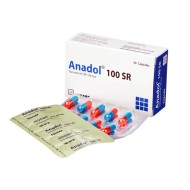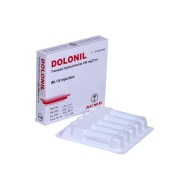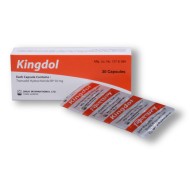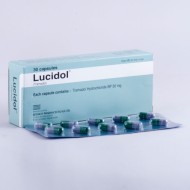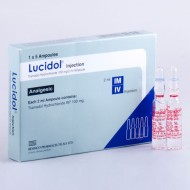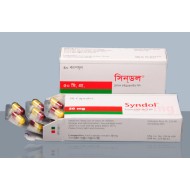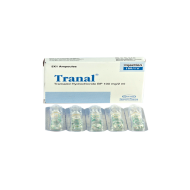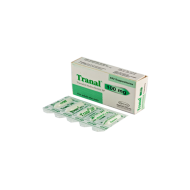
- Stock: In Stock
- Brand: Square Pharmaceuticals
- Product ID: Tramadol Hydrochloride
🔒 100% Secure Payment | bKash | Nagad | SSLCommerz | COD
⭐ Become a FREE Member: 7% Extra Savings • Free Delivery • Refill Reminders • Priority Support
| Generic Name | Tramadol Hydrochloride |
| Strength | 100 mg/2 ml |
| Dosage Form | Injection |
| Manufacturer | Square Pharmaceuticals PLC |
| Therapeutic Class | Opioid analgesics |
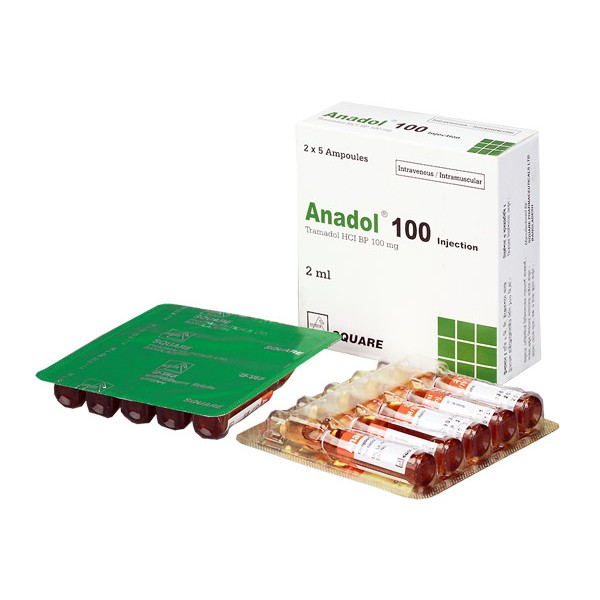
| Pack Size | Each box contains 5 ampoules of 2 ml |
Overview
Anadol Injection contains Tramadol Hydrochloride, manufactured by Square Pharmaceuticals PLC. It is a centrally acting opioid analgesic used for the management of moderate to severe pain, including post-operative pain.
Dosage and Administration
Adults: 50-100 mg by slow intravenous, intramuscular, or subcutaneous injection every 4-6 hours as needed, not exceeding 600 mg per day. Dose should be individualized based on pain severity.
Interaction
Concomitant use with CNS depressants (alcohol, sedatives, opioids), MAO inhibitors, and SSRIs/SNRIs increases risk of respiratory depression and serotonin syndrome. Carbamazepine reduces tramadol's analgesic effect.
Contraindications
Contraindicated in acute intoxication with alcohol, hypnotics, or other centrally acting analgesics; in patients with known hypersensitivity to tramadol; and in patients treated with MAO inhibitors.
Side Effects
Nausea, vomiting, dizziness, drowsiness, sweating, and dry mouth. Respiratory depression may occur, particularly with rapid IV administration.
Pregnancy and Lactation
Not recommended during pregnancy as Tramadol crosses the placenta; may cause neonatal withdrawal symptoms. Not recommended during breastfeeding.
Precautions and Warnings
Administer slowly by IV to reduce risk of nausea and hypotension. Use with caution in patients with respiratory depression, head injury, or history of seizures.
Storage Conditions
Store below 30°C, protected from light. Keep out of the reach of children.
Frequently Asked Questions
What is Anadol Injection used for?
It is used for the management of moderate to severe pain, including post-surgical pain, when oral medication is not suitable.
How is it administered?
It can be given by slow intravenous, intramuscular, or subcutaneous injection, as advised by the physician.
This content is for informational purposes only and does not substitute professional medical advice. Please consult a registered physician before taking any medication.