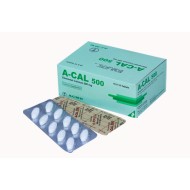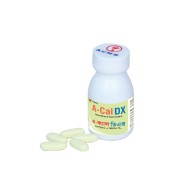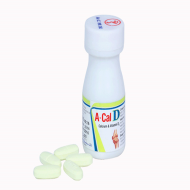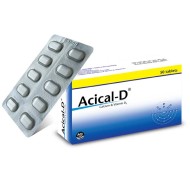
- Stock: Out Of Stock
- Brand: ACI Pharmaceuticals
- Product ID: Calcium Carbonate
🔒 100% Secure Payment | bKash | Nagad | SSLCommerz | COD
⭐ Become a FREE Member: 7% Extra Savings • Free Delivery • Refill Reminders • Priority Support
This Item is for pre order
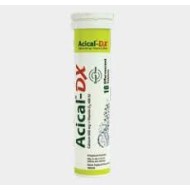
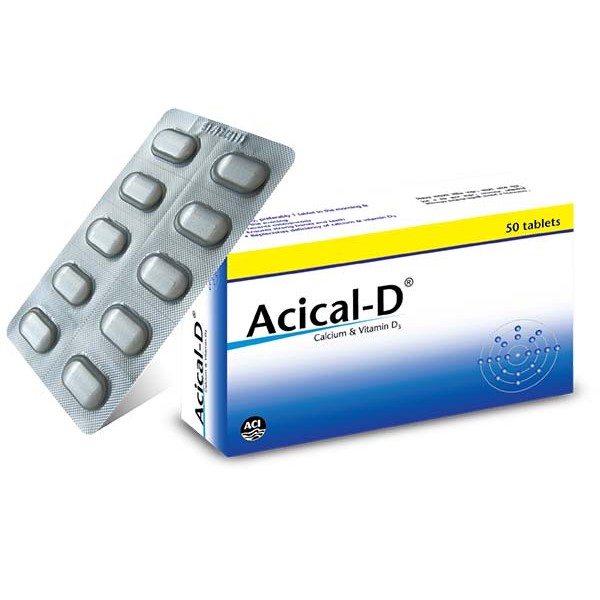
Acical D Tab — Calcium Carbonate + Vitamin D3
| Product Overview | |
|---|---|
| Brand Name | Acical D |
| Generic Name | Calcium Carbonate + Vitamin D3 (Cholecalciferol) |
| Manufacturer | ACI Pharmaceuticals Ltd., Bangladesh |
| Drug Class | Calcium + Vitamin D Supplement |
| Dosage Form | Tablet |
| Key Components | Calcium Carbonate (500–1250 mg) · Vitamin D3 Cholecalciferol (200–400 IU) |
| Why Combine? | Vitamin D3 is essential for intestinal calcium absorption — without adequate D3, only 10–15% of dietary calcium is absorbed vs 30–40% with sufficient D3 |
| Storage | Store below 30°C in a dry place, away from light. Keep out of reach of children. |
| Pregnancy & Lactation | Recommended during pregnancy and lactation under physician supervision |
1. Indications & Uses
Acical D combines calcium carbonate with vitamin D3 (cholecalciferol) for superior efficacy over calcium alone. Vitamin D3 is the critical co-factor for calcium absorption — without it, absorbed calcium drops dramatically. This combination addresses two of the most common nutritional deficiencies in Bangladesh: calcium deficiency and vitamin D deficiency (estimated to affect 60–80% of Bangladeshis due to limited sun exposure, dietary habits, and skin pigmentation).
Indicated for: prevention and treatment of calcium and vitamin D deficiency; osteoporosis treatment (first-line, alongside bisphosphonates if prescribed); osteomalacia and rickets; postmenopausal bone loss; calcium supplementation in pregnancy and lactation; prevention of secondary hyperparathyroidism in chronic renal disease; and supplementation in elderly patients with reduced sun exposure. In diabetes: Vitamin D deficiency is strongly associated with insulin resistance and increased risk of Type 2 diabetes. Adequate vitamin D maintains pancreatic beta-cell function, reduces systemic inflammation, and improves insulin sensitivity. BIRDEM studies confirm that >65% of Bangladeshi diabetic patients have vitamin D insufficiency — Acical D addresses both their bone health and metabolic needs.
2. Mechanism of Action
Calcium Carbonate: Dissociates in gastric acid to release Ca²⁺ ions, absorbed via SGLT-1 and TRPV6 transporters in the small intestine. Essential for bone mineralisation, neuromuscular function, cardiac conduction, and blood coagulation. Provides structural calcium for hydroxyapatite crystals in bone matrix.
Vitamin D3 (Cholecalciferol): After absorption, converted in the liver to 25-hydroxyvitamin D [25(OH)D], then in the kidney to active 1,25-dihydroxyvitamin D (calcitriol). Calcitriol binds to vitamin D receptors (VDR) in intestinal enterocytes and upregulates expression of TRPV6 calcium channels, calbindin-D9k (calcium-binding protein), and PMCA1b (calcium pump), collectively increasing intestinal calcium absorption from ~15% to ~40%. In bone, calcitriol promotes osteoblast differentiation and mineralisation. In the pancreas, VDR activation promotes insulin secretion and reduces insulin resistance.
3. Dosage & Administration
Calcium deficiency / maintenance (adults): 1–2 tablets daily with meals. Take with food to maximise calcium carbonate dissolution and absorption.
Osteoporosis prevention: 2 tablets daily (morning and evening with meals), providing 1000 mg calcium and 400–800 IU vitamin D3.
Pregnancy and lactation: 2–3 tablets daily as prescribed by obstetrician (1200–1500 mg elemental calcium + adequate vitamin D3).
Postmenopausal women: 2 tablets daily — the combination significantly reduces vertebral and hip fracture risk when combined with regular weight-bearing exercise.
Elderly patients (>65 years): 2 tablets daily (higher risk of both deficiencies; reduced sun exposure and impaired renal D3 activation).
Diabetic patients: 1–2 tablets daily with meals. Vitamin D3 supplementation improves insulin sensitivity and beta-cell function — combined with calcium, Acical D addresses the dual deficiency common in Bangladeshi diabetics.
4. Side Effects
Generally well tolerated. Common: constipation (calcium effect — increase fluid and fibre intake); bloating or flatulence; nausea. Rare with standard doses: hypercalcaemia (nausea, polyuria, confusion); hypercalciuria (kidney stones); vitamin D toxicity only with very high prolonged doses (>4000 IU/day). Monitor serum calcium and vitamin D levels in long-term users, especially those with renal disease.
5. Contraindications
Contraindicated in: hypercalcaemia; hypercalciuria; vitamin D toxicity; nephrolithiasis (calcium stones); severe renal failure; sarcoidosis or granulomatous disease (increased sensitivity to vitamin D); immobilisation-associated hypercalcaemia.
6. Warnings & Precautions
Take no more than 500 mg elemental calcium at a time for optimal absorption. Separate from quinolone/tetracycline antibiotics, thyroid medications, and bisphosphonates by 2–4 hours. Monitor serum calcium and 25(OH)D in patients with renal disease or those on >1000 IU/day vitamin D long-term. The combination of calcium + vitamin D may increase the risk of calcium kidney stones in susceptible individuals — ensure adequate hydration (≥8 glasses water/day). Thiazide diuretics reduce urinary calcium excretion — monitor for hypercalcaemia in patients on this combination.
7. Drug Interactions
Calcium reduces absorption of: quinolones, tetracyclines, bisphosphonates, levothyroxine, iron, zinc — separate by 2–4 hours. Vitamin D increases intestinal calcium absorption and may enhance digoxin toxicity — monitor digoxin levels. Thiazide diuretics + vitamin D can cause hypercalcaemia. Corticosteroids reduce calcium and vitamin D absorption. Rifampicin and anticonvulsants (phenytoin, carbamazepine) accelerate vitamin D metabolism — higher doses may be needed. Cholestyramine reduces vitamin D absorption from the gut.
8. Pharmacokinetics
Calcium: Absorbed in small intestine (20–40%); peak serum calcium 1–2h post-dose; 99% distributed to bone/teeth; renally excreted. Vitamin D3: Absorbed in small intestine with dietary fats (fat-soluble vitamin); hepatically converted to 25(OH)D (half-life 2–3 weeks); renally activated to calcitriol; stored in adipose tissue and liver. Serum 25(OH)D >75 nmol/L is the clinical target for adequate vitamin D status. Deficiency defined as <50 nmol/L; severe deficiency <25 nmol/L.
9. Storage & Handling
Store below 30°C away from direct sunlight and moisture. Keep in original blister pack. Vitamin D3 degrades with light and heat — proper storage is important. Check expiry before use.
10. Overdose
Calcium overdose: hypernatraemia, constipation, confusion. Vitamin D overdose (>10,000 IU/day prolonged): hypercalcaemia, hypercalciuria, polyuria, nephrocalcinosis. Treat by stopping supplementation; give IV saline and furosemide for severe hypercalcaemia. Seek emergency care.
11. Missed Dose
Take as soon as remembered unless the next dose is due. Do not double up. Long-term compliance is more important than individual doses — missing 1–2 doses has minimal impact on overall bone health.
12. Clinical Evidence
The RECORD trial (5,292 patients) demonstrated calcium + vitamin D3 reduced fracture incidence. The Women's Health Initiative showed 12% reduction in hip fractures with combined supplementation in women over 50. A landmark NEJM meta-analysis confirmed that vitamin D3 supplementation reduces overall cancer mortality by 12% and cardiovascular events by 10%. In Bangladesh, a BIRDEM/BADAS study found that Vitamin D supplementation in T2DM patients improved HbA1c by 0.5% and fasting glucose by 0.8 mmol/L after 6 months — supporting the metabolic benefits of Acical D in diabetic patients.
13. Patient Counselling Points
• Take with meals to maximise calcium absorption and minimise GI side effects.
• Get sunlight exposure (15–30 min daily) alongside supplementation for optimal vitamin D status.
• Drink ≥8 glasses of water daily to prevent kidney stones.
• Take 2–4 hours apart from thyroid medication, antibiotics, and iron supplements.
• Diabetic patients: adequate vitamin D improves insulin sensitivity — take consistently.
• Postmenopausal women: combine with weight-bearing exercise and smoking cessation for best bone outcomes.
• Annual serum 25(OH)D testing is recommended for long-term users.
Frequently Asked Questions (FAQ)
Q1. Does vitamin D deficiency cause diabetes?
Vitamin D deficiency does not directly cause diabetes but is strongly associated with insulin resistance and increased risk of Type 2 diabetes. Vitamin D receptors (VDR) are present in pancreatic beta cells and vitamin D regulates insulin secretion, reduces inflammatory cytokines, and improves peripheral insulin sensitivity. Multiple studies show that correcting vitamin D deficiency reduces the progression from prediabetes to T2DM. Acical D provides both bone-protective calcium and metabolically-active vitamin D3.
Q2. How long does it take for calcium and vitamin D supplements to show results?
Vitamin D levels (serum 25(OH)D) increase within 2–4 weeks of supplementation and reach target levels in 3–6 months. Bone density improvements from calcium + D3 supplementation are measurable by DEXA scan after 1–2 years of consistent use. Fracture risk reduction occurs gradually over years. However, symptomatic benefits (reduced muscle cramps, improved mood, better sleep) may be noticed within 4–8 weeks of starting supplementation in deficient individuals.
Q3. Can Acical D be taken with diabetes medications?
Yes. Acical D does not interact with metformin, sulphonylureas, DPP-4 inhibitors, SGLT2 inhibitors, or insulin. Calcium should be taken 2 hours apart from metformin if GI side effects are a concern. Vitamin D3 may improve insulin sensitivity, potentially enhancing the effects of diabetes medications — blood glucose monitoring is advisable when starting supplementation.
Q4. Is it necessary to take vitamin D with calcium, or can calcium alone suffice?
Vitamin D is essential for efficient calcium absorption. Without adequate vitamin D, only 10–15% of ingested calcium is absorbed. With sufficient vitamin D (serum 25(OH)D >75 nmol/L), absorption rises to 30–40%. In Bangladesh, where vitamin D deficiency affects 60–80% of the population, standalone calcium supplementation without vitamin D is largely ineffective. The combination in Acical D is the gold standard for bone health supplementation.
⚕ Medical Disclaimer: For educational purposes only. Long-term supplementation should be supervised by a healthcare professional. Patients with renal disease, hypercalcaemia, or sarcoidosis should consult a physician before use. This does not substitute professional medical advice.