- Stock: In Stock
- Product ID: 8732
🔒 100% Secure Payment | bKash | Nagad | SSLCommerz | COD
⭐ Become a FREE Member: 7% Extra Savings • Free Delivery • Refill Reminders • Priority Support
This Item is for pre order
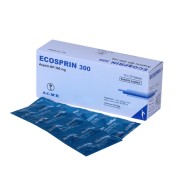
Aspirin S 300 Tablet — Acetylsalicylic Acid 300mg for Pain Relief and Cardiovascular Protection
Attribute Details
| Brand Name | Aspirin S 300 |
| Generic Name | Acetylsalicylic Acid (Aspirin) |
| Strength | 300 mg |
| Dosage Form | Oral Tablet |
| Pack Size | Strip/box pack (see listing for unit count) |
| Drug Class | NSAID / Antiplatelet Agent |
| Manufacturer | See product listing for manufacturer details |
About Aspirin S 300 Tablet
Aspirin (acetylsalicylic acid) is one of the oldest and most versatile medications available, used both as a pain reliever/fever reducer at higher doses (such as 300mg, used for headache, muscle pain, and fever) and, at much lower doses (typically 75–100mg), as a long-term antiplatelet agent to reduce the risk of heart attack and stroke. At the 300mg strength, aspirin works primarily as a short-term analgesic and anti-inflammatory rather than a once-daily cardioprotective dose — it is important not to confuse the two uses, since they call for very different dosing schedules.
Aspirin and Cardiovascular Protection in Diabetic Patients
People with type 2 diabetes have a significantly elevated risk of heart attack and stroke due to accelerated atherosclerosis (blood vessel narrowing), and low-dose aspirin (75–100mg daily) is sometimes prescribed by physicians as part of secondary prevention in diabetic patients who have already had a cardiovascular event, or as primary prevention in select high-risk patients after an individualized risk assessment. Aspirin works by inhibiting platelet aggregation, making blood less likely to form clots that block arteries. Diabetic patients should not self-start daily low-dose aspirin without medical advice, since the bleeding risk (including gastrointestinal bleeding) must be weighed against the cardiovascular benefit for each individual, and current guidelines recommend a personalized decision with a physician rather than blanket use.
Important Cautions: GI Bleeding Risk and Diabetic Complications
Aspirin, even at low cardioprotective doses, increases the risk of stomach irritation and gastrointestinal bleeding, an effect that is amplified at the higher 300mg analgesic dose and with regular or frequent use. Diabetic patients are already at higher risk of silent peptic ulcer disease and may have reduced pain sensation due to diabetic neuropathy, which can delay recognition of GI bleeding symptoms such as dark stools or unusual fatigue. Aspirin should be used cautiously, and ideally with food, in patients with a history of ulcers, and should be avoided or used only under close medical supervision in patients on other blood thinners (such as warfarin, clopidogrel, or rivaroxaban) due to additive bleeding risk.
Dosing Guide
| Use Case | Typical Dose | Notes |
|---|---|---|
| Pain/fever relief (short-term) | 300–600mg every 4–6 hours as needed | Maximum per physician guidance; take with food |
| Cardiovascular protection (long-term, diabetic patients) | 75–100mg once daily | Requires a different, lower-strength product; not the 300mg tablet |
| Post-heart attack/stroke | 75–100mg once daily, often combined with other antiplatelets | Per cardiologist protocol |
Frequently Asked Questions (FAQ)
Q1: Should I take the 300mg Aspirin tablet every day to protect my heart?
No. The 300mg strength is intended for occasional pain or fever relief, not daily heart protection. Long-term cardiovascular protection in diabetic or at-risk patients uses a much lower dose, typically 75–100mg once daily. Taking 300mg daily significantly increases bleeding risk without added cardiovascular benefit. Speak to your physician about the correct product if daily protection is needed.
Q2: I have diabetes — is it safe for me to take Aspirin for a headache?
Occasional use of Aspirin S 300 for pain or fever is generally fine for most diabetic patients, but check with your physician first if you have a history of stomach ulcers, kidney disease, or are taking other blood thinners, as diabetes increases the risk of complications from these combinations.
Q3: What are the warning signs of aspirin-related stomach bleeding?
Watch for black or tarry stools, vomiting blood or material that looks like coffee grounds, unusual fatigue or paleness, or persistent stomach pain. Diabetic patients with nerve damage (neuropathy) may have less pain warning, so any unexplained fatigue or dizziness while taking aspirin regularly should be checked by a doctor.
Q4: Can I take Aspirin S 300 together with my diabetes medications?
Aspirin does not typically interact dangerously with metformin or most oral antidiabetics, but it can intensify the blood sugar-lowering effect of sulfonylureas in some cases. Always inform your physician or pharmacist of all medications you take, including aspirin, to check for interactions before starting regular use.
Medical Disclaimer
Aspirin S 300 Tablet (Acetylsalicylic Acid) should be used as directed and not for long-term daily cardiovascular protection without physician guidance on the correct low-dose product. Diabetic patients should discuss aspirin use with their physician given the elevated bleeding and cardiovascular risk profile. This content is for educational purposes only and does not replace professional medical advice.