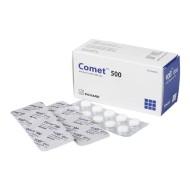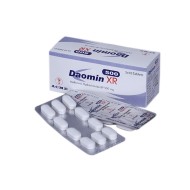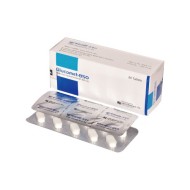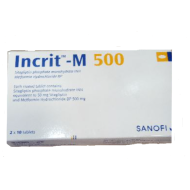
- Stock: Pre-Order
- Brand: Renata
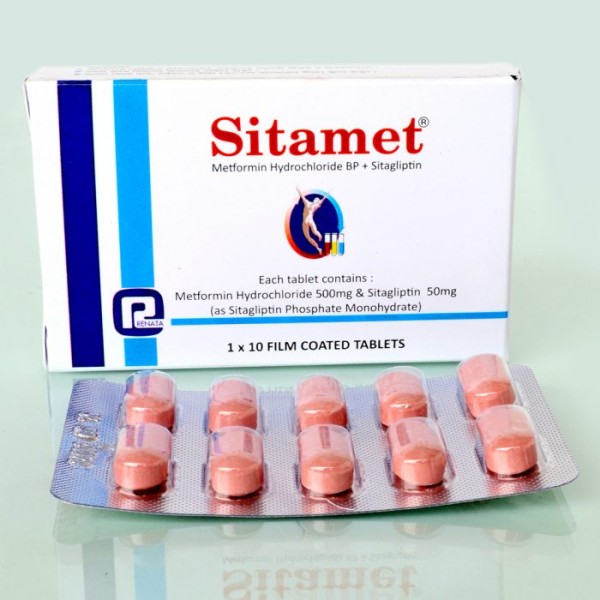
- Product ID: Metformin Hydrochloride 500 mg + Sitagliptin 50 mg Tablet
🔒 100% Secure Payment | bKash | Nagad | SSLCommerz | COD
⭐ Become a FREE Member: 7% Extra Savings • Free Delivery • Refill Reminders • Priority Support
This Item is for pre order
Sitamet (Metformin 500 mg + Sitagliptin 50 mg) Tablet: Quick Overview
| Generic Name | Metformin Hydrochloride 500 mg + Sitagliptin 50 mg |
|---|---|
| Strength | 500 mg / 50 mg (fixed-dose combination) |
| Dosage Form | Tablet |
| Therapeutic Class | Biguanide + DPP-4 Inhibitor (Combination Oral Antidiabetic) |
| Manufacturer | Marketed in Bangladesh — please confirm manufacturer on the product packaging/label |
What Is Sitamet?
Sitamet is a fixed-dose combination tablet containing metformin hydrochloride 500 mg and sitagliptin 50 mg, used to manage blood glucose in adults with type 2 diabetes mellitus. It combines two complementary mechanisms in a single tablet to improve glycemic control and treatment adherence.
How This Combination Works
Metformin reduces hepatic glucose production and improves peripheral insulin sensitivity. Sitagliptin, a DPP-4 inhibitor, blocks the breakdown of incretin hormones (GLP-1 and GIP), which increases glucose-dependent insulin release from the pancreas and suppresses glucagon secretion. Together, they target both insulin resistance and impaired insulin secretion, two of the core defects in type 2 diabetes.
Why a Combination Tablet?
Many patients with type 2 diabetes eventually need more than one class of oral medication to reach their HbA1c target. Combining metformin and sitagliptin into one tablet reduces pill burden compared to taking two separate medicines, which can improve adherence — an important factor since missed doses are one of the most common reasons for poor long-term glucose control.
Recommended Dosage
Dosing is individualized based on prior therapy and glycemic response. A common starting regimen for patients already on metformin is one tablet (500 mg/50 mg) once or twice daily with meals, as directed by the prescribing physician. Do not adjust the dose without medical guidance, since both components have distinct titration considerations.
How to Take Sitamet Correctly
Take with food to reduce the gastrointestinal effects associated with the metformin component. Swallow the tablet whole; do not crush or chew. Take doses at consistent times each day.
Who Should Avoid This Combination
Avoid in patients with severe renal impairment, a history of pancreatitis, decompensated heart failure, hepatic impairment, or conditions predisposing to lactic acidosis. Patients with a history of hypersensitivity reactions to DPP-4 inhibitors should also avoid sitagliptin-containing products. Discuss your full medical history with your physician before starting.
Possible Side Effects
Common effects include nausea, diarrhea, or stomach discomfort (mainly from the metformin component), and headache or upper respiratory symptoms (occasionally reported with sitagliptin). Rare but serious risks include pancreatitis and lactic acidosis — seek medical attention for severe abdominal pain, unusual muscle pain, or difficulty breathing.
Drug Interactions
Caution is needed with iodinated contrast agents, other antidiabetic drugs (especially insulin or sulfonylureas, which raise hypoglycemia risk in combination), and certain diuretics or corticosteroids. Always share your complete medication list with your doctor and pharmacist.
Monitoring
Regular monitoring of renal function, HbA1c every 3 months, and vitamin B12 levels (long-term metformin use) is recommended. Report any persistent abdominal pain promptly, as it could indicate pancreatitis.
Storage
Store below 30°C in a dry place, protected from light and moisture. Keep out of reach of children.
Frequently Asked Questions
1. Can Sitamet replace two separate tablets of metformin and sitagliptin?
Yes, if your physician has prescribed this exact combination and dose; do not switch from separate tablets to this combination, or vice versa, without medical advice.
2. Does Sitamet cause hypoglycemia on its own?
Used alone, this combination has a relatively low risk of hypoglycemia, but risk increases when combined with sulfonylureas or insulin.
3. What should I do if I develop severe stomach pain while on Sitamet?
Seek medical attention promptly, as severe abdominal pain can be a sign of pancreatitis, a rare but serious side effect associated with DPP-4 inhibitors.
4. Can I take Sitamet if I have kidney problems?
Dose adjustment or avoidance may be necessary depending on the severity of kidney impairment. Your physician will assess your renal function before prescribing.
Medical Disclaimer: This information is provided for educational purposes only and does not replace professional medical advice. Always consult a registered physician or pharmacist before starting, stopping, or changing any medication. Dosage and suitability vary by individual health condition.