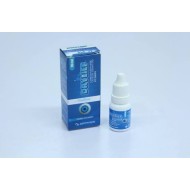
- Stock: Out Of Stock
- Brand: Acme Laboratories Limited
- Product ID: Chloramphenicol
🔒 100% Secure Payment | bKash | Nagad | SSLCommerz | COD
⭐ Become a FREE Member: 7% Extra Savings • Free Delivery • Refill Reminders • Priority Support
This Item is for pre order
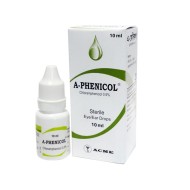
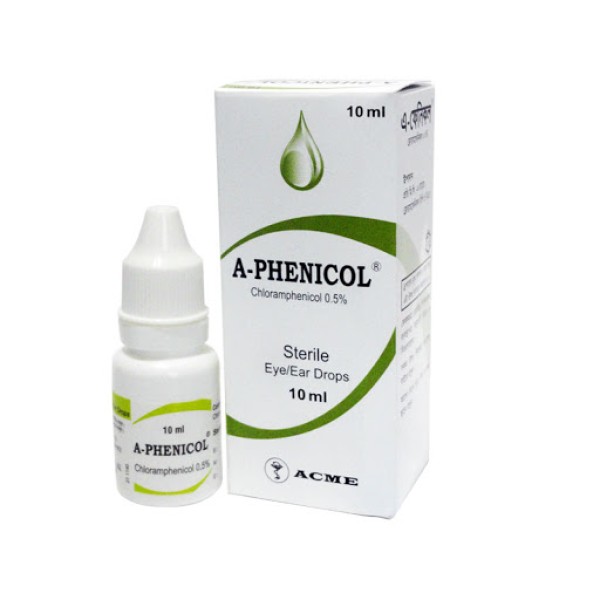
A Phenicol 10 ml Eye Drops (Chloramphenicol 0.5%) — Product Overview
| Quick Reference | |
|---|---|
| Brand Name | A Phenicol Eye Drops |
| Generic Name | Chloramphenicol 0.5% w/v |
| Drug Class | Broad-spectrum Antibiotic (Topical Ophthalmic) |
| Manufacturer | ACI Limited, Bangladesh |
| Dosage Form | Sterile Eye Drops Solution |
| Pack Size | 10 ml sterile dropper bottle |
| Storage | Store below 25°C. Discard 4 weeks after opening. |
| Prescription Status | Available without prescription (OTC) |
What is A Phenicol Eye Drops?
A Phenicol Eye Drops contain Chloramphenicol 0.5%, a broad-spectrum antibiotic for topical ophthalmic (eye) use. Chloramphenicol has been used in eye infections for decades and remains highly effective against most common bacterial causes of conjunctivitis, blepharitis, and other superficial eye infections. It is one of the most commonly prescribed and purchased eye antibiotic drops in Bangladesh due to its broad efficacy, low cost, and established safety record in topical use.
Mechanism of Action
Chloramphenicol inhibits bacterial protein synthesis by binding to the 50S ribosomal subunit, preventing peptide chain elongation. It is bacteriostatic (stops bacterial growth) against most organisms, and bactericidal at higher concentrations. It has activity against a wide range of Gram-positive and Gram-negative bacteria, as well as Chlamydia trachomatis and Haemophilus influenzae — common causes of eye infections.
Indications
A Phenicol Eye Drops are indicated for:
- Bacterial conjunctivitis ("pink eye"): Redness, discharge, and crusting of the eyes caused by Staphylococcus, Streptococcus, Haemophilus, or other bacteria
- Blepharitis: Bacterial infection of the eyelid margins causing redness, scaling, and crusting
- Keratoconjunctivitis: Combined inflammation of the cornea and conjunctiva
- Superficial corneal ulcers: Bacterial infection of the corneal surface (under medical supervision)
- Chlamydial eye infections (trachoma inclusion conjunctivitis): In combination with systemic therapy
- Post-operative prophylaxis: Prevention of infection after minor ophthalmic procedures
Dosage and Administration
Standard dose: 1–2 drops instilled into the affected eye(s) every 2–6 hours depending on severity. For acute infections, use every 2 hours initially, then reduce frequency as the infection improves.
Usual course: Continue for 48 hours after symptoms resolve, typically 5–7 days total. Do not exceed 3 weeks of continuous use without medical advice.
How to apply correctly:
- Wash hands before use
- Tilt head back, pull down the lower eyelid to form a small pocket
- Instil 1–2 drops into the pocket without touching the eye or lashes with the dropper tip
- Gently close the eye and apply light pressure to the inner corner (nasolacrimal duct) for 1–2 minutes to reduce systemic absorption
- If wearing contact lenses, remove before use and wait at least 15 minutes before reinserting
Contraindications
- Hypersensitivity to chloramphenicol or any component of the formulation
- Personal or family history of blood dyscrasias (aplastic anaemia)
- Do not use in neonates without specific medical advice
Side Effects
Common (local): Transient stinging or burning on application, mild blurred vision immediately after instillation, increased lacrimation (watering).
Uncommon: Local hypersensitivity reactions — conjunctival oedema, periorbital contact dermatitis.
Rare (systemic): Aplastic anaemia has been reported very rarely with prolonged topical chloramphenicol use, though the association remains debated. The risk is extremely low with short-term topical use.
Important Precautions
- Discard after 4 weeks: Once opened, discard the bottle after 4 weeks to prevent contamination
- One bottle per person: Do not share eye drops between patients — risk of cross-infection
- Contact lenses: Do not wear contact lenses during treatment for bacterial conjunctivitis
- Viral/fungal infections: Chloramphenicol is not effective against viral conjunctivitis (most common type) — correct diagnosis is important
- Children: Safe to use from age 2 years onwards; consult a doctor for infants
Frequently Asked Questions (FAQ)
Q: How do I know if my conjunctivitis is bacterial (and needs A Phenicol)?
A: Bacterial conjunctivitis typically produces thick yellow or green discharge, crusting of eyelashes (especially in the morning), and may affect one or both eyes. Viral conjunctivitis usually produces watery discharge and often follows a cold. If unsure, consult a pharmacist or doctor before starting antibiotic drops.
Q: How long should I use A Phenicol Eye Drops?
A: Typically 5–7 days, continuing for 48 hours after symptoms resolve. Do not use for more than 3 weeks without medical review, and discard the bottle 4 weeks after opening regardless of remaining liquid.
Q: Can I use A Phenicol while wearing contact lenses?
A: No. Remove contact lenses before instilling the drops and wait at least 15 minutes before reinserting. It is generally advised not to wear contact lenses during treatment for active eye infection.
Q: Is chloramphenicol safe for children?
A: Chloramphenicol eye drops are considered safe for children aged 2 years and above. For infants and neonates, consult a paediatrician. The risk of systemic side effects from topical eye drops is very low.
Medical Disclaimer
The information provided is for educational purposes only. Always consult a healthcare professional if you are unsure whether your eye condition requires antibiotic treatment. Seek urgent medical attention for severe eye pain, vision changes, or trauma to the eye.