- Stock: Out Of Stock
- Brand: Acme Laboratories Limited
- Product ID: Dexamethasone + Chloramphenicol
🔒 100% Secure Payment | bKash | Nagad | SSLCommerz | COD
⭐ Become a FREE Member: 7% Extra Savings • Free Delivery • Refill Reminders • Priority Support
This Item is for pre order
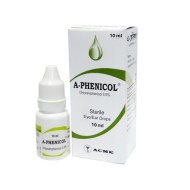
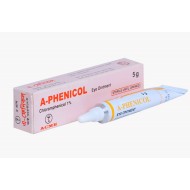
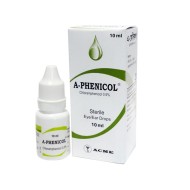
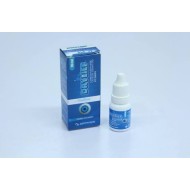
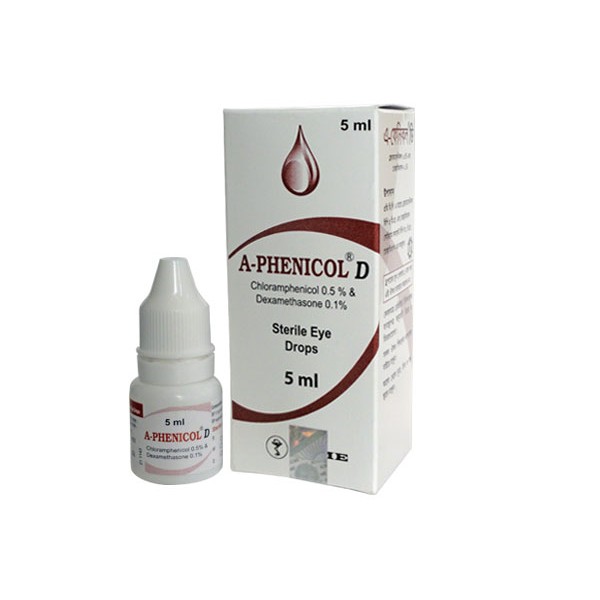
A-Phenicol-D Ophthalmic Solution 5ml — Dexamethasone + Chloramphenicol | Beximco Pharmaceuticals
| Generic Name | Dexamethasone + Chloramphenicol Ophthalmic Solution |
| Drug Class | Corticosteroid + Broad-Spectrum Antibiotic — Combination Ophthalmic |
| Manufacturer | Beximco Pharmaceuticals Ltd. |
| Route | Topical — Ophthalmic (eye drops) |
| Pack Size | 5ml Ophthalmic Solution |
| Prescription Status | Prescription Required — Ophthalmologist Supervision Recommended |
Overview
A-Phenicol-D combines Dexamethasone (a potent corticosteroid) with Chloramphenicol (a broad-spectrum antibiotic) in a single ophthalmic solution. This combination is used when bacterial eye infection is accompanied by significant ocular inflammation that requires steroid suppression alongside antibiotic coverage. The dexamethasone component reduces inflammatory signs (redness, swelling, discharge, pain) while chloramphenicol treats the underlying bacterial infection. This combination should only be used under confirmed bacterial diagnosis with physician/ophthalmologist guidance — steroid eye drops can worsen viral, fungal, or unknown infections and cause serious complications.
Mechanism of Action
Dexamethasone: A potent synthetic corticosteroid that suppresses ocular inflammation by inhibiting phospholipase A2 (via lipocortin induction), reducing synthesis of prostaglandins, leukotrienes, and inflammatory cytokines. Reduces corneal and conjunctival inflammatory response rapidly. Topical dexamethasone penetrates well into the anterior chamber.
Chloramphenicol: Binds to 50S bacterial ribosomal subunit, inhibiting protein synthesis (bacteriostatic). Provides broad-spectrum antibacterial cover against common ocular pathogens including Staphylococci, Streptococci, H. influenzae, and Gram-negative organisms — protecting the eye from secondary bacterial infection and treating existing bacterial infection while the steroid component reduces inflammation.
Indications
- Bacterial conjunctivitis with significant inflammatory component
- Post-operative inflammation with infection risk (after anterior segment eye surgery)
- Blepharoconjunctivitis with marked ocular surface inflammation
- Uveitis with bacterial secondary infection risk (specialist use)
- Corneal inflammation associated with confirmed bacterial infection (specialist use)
Dosage and Administration
| Indication | Dose | Frequency | Duration |
|---|---|---|---|
| Acute bacterial conjunctivitis + inflammation | 1–2 drops | Every 2–4 hours initially | Reduce as inflammation improves; max 2 weeks without review |
| Post-operative (specialist) | 1–2 drops | 4 times daily tapering | As directed by ophthalmologist |
Wash hands before instillation. Shake before use. Tilt head back; pull down lower lid; instil 1–2 drops into lower conjunctival sac. Close eye for 1–2 minutes. Do not touch dropper tip to eye or skin. Remove contact lenses before use.
CRITICAL Warning for Diabetic Patients
⚠️ Steroid Eye Drops in Diabetics — Special Precautions:
- Steroid-induced ocular hypertension / glaucoma: Corticosteroid eye drops (including dexamethasone) raise intraocular pressure (IOP) in susceptible individuals. Diabetic patients are at significantly higher baseline risk of glaucoma. Regular IOP monitoring is essential when using steroid eye drops — check IOP after 2 weeks of use and monitor throughout treatment
- Posterior subcapsular cataract: Prolonged topical steroid use accelerates posterior subcapsular cataract formation — already more prevalent in diabetics. Use the shortest effective course
- Do NOT use for viral or fungal eye infections: Diabetics are at higher risk of herpetic (HSV) keratitis and fungal keratitis. Steroid eye drops worsen these conditions catastrophically. Confirm bacterial diagnosis before initiating A-Phenicol-D
- Systemic glucose effect minimal: Topical dexamethasone at 5ml concentration has very low systemic absorption — systemic glucose elevation is negligible with standard use. However, watch for glucose changes in patients with extremely tight glycaemic control
- Do not self-medicate: This combination should only be used under physician/ophthalmologist supervision — particularly important for diabetic patients
Side Effects
| System | Side Effect | Severity |
|---|---|---|
| Ocular (steroid) | Raised intraocular pressure (IOP) — steroid-induced glaucoma with prolonged use | Common with prolonged use — monitor IOP |
| Ocular (steroid) | Posterior subcapsular cataract (prolonged use) | Moderate — avoid prolonged use |
| Local | Transient stinging on instillation | Common — Mild |
| Microbial | Masking of infection (steroid reduces signs of worsening infection) | Moderate — monitor carefully |
| Hypersensitivity | Allergic reaction to chloramphenicol or dexamethasone | Uncommon |
| Systemic (rare) | HPA axis suppression with prolonged intensive use (rare at topical doses) | Very rare |
Drug Interactions
| Drug | Interaction |
|---|---|
| Antiglaucoma eye drops | Dexamethasone raises IOP — may counteract IOP-lowering treatment; monitor closely |
| Systemic corticosteroids | Additive steroid effects — monitor for steroid side effects |
Contraindications
- Viral eye infections — herpes simplex keratitis, vaccinia, varicella (absolute contraindication for steroid component)
- Fungal eye infections (absolute contraindication)
- Mycobacterial eye infections (tuberculosis of the eye)
- Known hypersensitivity to chloramphenicol or dexamethasone
- Family or personal history of aplastic anaemia
- Undiagnosed eye redness (do not use without confirmed bacterial diagnosis)
Storage
Store between 2–8°C (refrigerate) or as directed on label. Protect from light. Discard 28 days after opening. Keep out of reach of children.
Frequently Asked Questions
Q: Why does this eye drop contain both an antibiotic and a steroid?
A: The antibiotic (chloramphenicol) treats the bacterial infection; the steroid (dexamethasone) reduces the inflammatory response (redness, swelling, discharge). The combination is used when both infection and inflammation are present simultaneously.
Q: Can I use A-Phenicol-D for any red eye?
A: No — steroid eye drops must NOT be used for viral or fungal eye infections, which they can catastrophically worsen. Red eye from herpes, dry eye, allergy, or other non-bacterial causes should not be treated with this combination without specialist assessment.
Q: As a diabetic, how often should my eye pressure be checked?
A: If using steroid eye drops for more than 1–2 weeks, intraocular pressure should be checked. Diabetics already at higher glaucoma risk should have IOP checked at the start and 2 weeks after beginning any steroid eye drops.
Medical Disclaimer: A-Phenicol-D (Dexamethasone + Chloramphenicol) is a prescription-only ophthalmic combination. Steroid eye drops can worsen viral and fungal eye infections — use only for confirmed bacterial infection under physician supervision. Diabetics must have intraocular pressure monitored during use due to elevated glaucoma risk. Discard 28 days after opening. This information is for educational purposes only. Always follow your ophthalmologist's or physician's instructions.