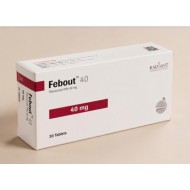

- Stock: In Stock
- Product ID: Cephradine
Available Options
🔒 100% Secure Payment | bKash | Nagad | SSLCommerz | COD
⭐ Become a FREE Member: 7% Extra Savings • Free Delivery • Refill Reminders • Priority Support
Abaclor 250mg Capsule
Generic Name: Cefaclor Monohydrate 250mg
Manufacturer: Beximco Pharmaceuticals Ltd.
Drug Class: Second-Generation Cephalosporin Antibiotic
Dosage Form: Hard Gelatin Capsule
Prescription Status: Prescription Only (Rx)
Mechanism of Action
Cefaclor is a bactericidal second-generation cephalosporin with expanded gram-negative spectrum. It binds penicillin-binding proteins (PBPs), blocking peptidoglycan synthesis and causing bacterial cell lysis. Its stability against beta-lactamases from H. influenzae and Moraxella catarrhalis gives it an advantage in respiratory tract infections over first-generation agents.
Spectrum of Activity
| Sensitivity | Organisms |
|---|---|
| Gram-positive | S. aureus (MSSA), S. pyogenes, S. pneumoniae, S. agalactiae |
| Gram-negative | H. influenzae, E. coli, Klebsiella pneumoniae, Proteus mirabilis, Moraxella catarrhalis |
| Resistant | MRSA, Pseudomonas aeruginosa, Enterococcus spp., ESBL producers |
Indications
- Otitis media caused by beta-lactamase-producing H. influenzae
- Upper and lower respiratory tract infections
- Urinary tract infections — uncomplicated cystitis and pyelonephritis
- Skin and soft tissue infections
Dosage and Administration
| Patient | Dose | Frequency | Duration |
|---|---|---|---|
| Adults (mild–moderate) | 250 mg | Every 8 hours | 7–10 days |
| Adults (severe RTI) | 500 mg | Every 8 hours | 10 days |
| Children (>1 month) | 20 mg/kg/day | Divided every 8 hours | 7–10 days |
Take with or without food. Complete the full course. Max adult dose: 4g/day.
Important Notice for Diabetic Patients
- Diabetic foot/skin infections: Covers MSSA and Streptococcus — culture mandatory; MRSA and gram-negative rods require broader-spectrum agents
- Diabetic UTIs: Suitable for uncomplicated UTI; ESBL-producing organisms common in diabetics — urine C&S recommended
- Renal dose adjustment (diabetic nephropathy): Reduce by 50% or extend interval when CrCl <30 ml/min
- False-positive urine glucose: Use glucose oxidase dipstick — cefaclor interferes with copper reduction tests
- Serum sickness-like reaction: Higher incidence with cefaclor — discontinue if fever, rash, and arthralgia develop
- Infection-related hyperglycaemia: Intensify blood glucose monitoring during treatment
Contraindications
- Hypersensitivity to cefaclor or any cephalosporin
- History of anaphylaxis to penicillins
- Severe renal failure without dose adjustment
Side Effects
| System | Side Effects |
|---|---|
| Gastrointestinal | Nausea, diarrhoea, abdominal discomfort, C. difficile colitis (rare) |
| Hypersensitivity | Serum sickness-like reaction, urticaria, anaphylaxis (rare) |
| Haematological/Hepatic | Eosinophilia, neutropenia, elevated liver enzymes |
Storage
Store below 25°C in a cool, dry place away from moisture and light. Keep out of reach of children.
Medical Disclaimer
The information provided here is for educational and informational purposes only and is not a substitute for professional medical advice, diagnosis, or treatment. Always consult your doctor or pharmacist before starting, stopping, or altering any medication. Antibiotic therapy should be guided by culture and sensitivity results where possible. DiabetesStore.com.bd does not endorse self-medication. Seek immediate medical attention in case of any adverse reaction.