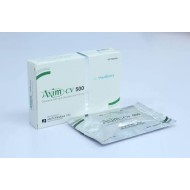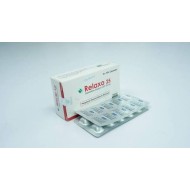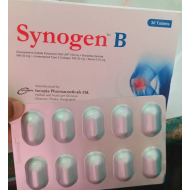
- Stock: In Stock
- Product ID: Amlodipine Besilate + Olmesartan Medoxomil
Available Options
🔒 100% Secure Payment | bKash | Nagad | SSLCommerz | COD
⭐ Become a FREE Member: 7% Extra Savings • Free Delivery • Refill Reminders • Priority Support
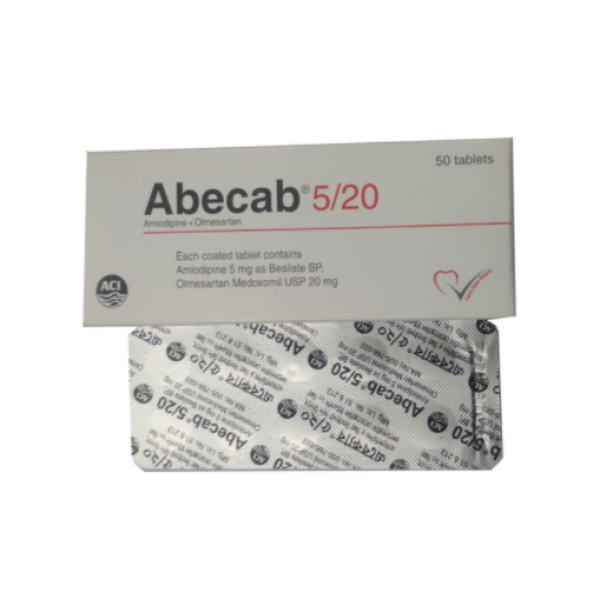
Abecab 20/5mg Tablet — Olmesartan Medoxomil + Amlodipine Besilate | Beximco Pharmaceuticals
| Generic Name | Olmesartan Medoxomil 20mg + Amlodipine Besilate 5mg |
| Drug Class | ARB + Dihydropyridine Calcium Channel Blocker (Fixed-Dose Combination) |
| Manufacturer | Beximco Pharmaceuticals Ltd. |
| Route | Oral (Tablet) |
| Prescription Status | Prescription Required |
Overview
Abecab 20/5mg combines Olmesartan Medoxomil 20mg (ARB) with Amlodipine Besilate 5mg (dihydropyridine calcium channel blocker) in a single tablet. This is considered one of the most evidence-based antihypertensive combinations available — the ACCOMPLISH trial and subsequent data confirm ARB + CCB is superior to ARB + diuretic for cardiovascular outcomes. For diabetic patients, this combination provides both excellent blood pressure control and significant renoprotection (olmesartan), without the metabolic disadvantages of thiazide diuretics.
Mechanism of Action
Olmesartan Medoxomil 20mg: Selectively and insurmountably blocks the AT1 angiotensin II receptor, preventing vasoconstriction, aldosterone secretion, and sodium retention. Provides renoprotection by reducing intraglomerular pressure and urinary albumin excretion in diabetic nephropathy.
Amlodipine Besilate 5mg: Long-acting dihydropyridine calcium channel blocker. Blocks L-type voltage-gated calcium channels in vascular smooth muscle, causing vasodilation — predominantly of peripheral arteries and coronary arteries. Amlodipine has a 35–50 hour half-life, providing smooth 24-hour coverage with no reflex tachycardia. The peripheral vasodilation from amlodipine activates the renin-angiotensin system compensatorily — which olmesartan directly counteracts, explaining the exceptional synergy.
Indications
- Hypertension requiring combination therapy — step-up from ARB or CCB monotherapy
- Diabetic hypertension — preferred combination for metabolic neutrality and cardiovascular protection
- Hypertension with coronary artery disease or angina — amlodipine adds antianginal benefit
- Hypertension with diabetic nephropathy — olmesartan provides renoprotection
- Hypertension in patients intolerant of diuretics (e.g. gout, electrolyte disorders)
Dosage
| Indication | Dose | Notes |
|---|---|---|
| Hypertension (initial combination) | 1 tablet (20/5mg) once daily | Start here if monotherapy inadequate |
| Uptitration | Switch to Abecab 40/5mg or 40/10mg | After 2–4 weeks if BP not at target |
| Timing | Once daily — any time | Consistent timing daily |
Critical Diabetic Patient Information
- Preferred combination in diabetes: ARB + CCB is the evidence-preferred combination for diabetic hypertension over ARB + thiazide. The ACCOMPLISH trial confirmed ARB/CCB combinations reduce cardiovascular events more than ARB/diuretic combinations at equivalent blood pressure
- Metabolically neutral: Neither olmesartan nor amlodipine worsens glucose control, insulin resistance, or lipid profile — making Abecab ideal for metabolic syndrome and type 2 diabetes
- Ankle oedema from amlodipine: Amlodipine causes pedal oedema in ~10% of patients due to preferential arteriolar over venular dilation. This is a vasodilatory side effect — NOT fluid retention — and does NOT indicate heart failure. Olmesartan partially mitigates this by reducing sympathetic activation
- Renoprotection maintained: Despite amlodipine addition, olmesartan continues to reduce intraglomerular pressure and proteinuria. Monitor renal function and K⁺ as for ARB monotherapy
- No potassium monitoring urgency: Unlike ARB + diuretic combinations, olmesartan + amlodipine has minimal electrolyte effects. Routine checks sufficient (every 6 months if stable)
Side Effects
| System | Side Effect | Severity |
|---|---|---|
| Peripheral vasodilation | Ankle/pedal oedema (amlodipine) — 5–15% of patients | Common — Mild to Moderate; not cardiac in origin |
| Cardiovascular | Flushing, palpitations, dizziness (amlodipine) | Common — Mild |
| Blood pressure | Hypotension, orthostatic dizziness (especially initially) | Common — Mild |
| Renal | Elevated creatinine (ARB-mediated, expected) | Common — usually acceptable |
| Electrolytes | Mild hyperkalaemia (olmesartan) | Mild — monitor |
| GI | Nausea (uncommon), olmesartan-associated enteropathy (rare) | Rare |
| Serious (rare) | Angioedema (olmesartan, rare) | Rare — Serious |
Drug Interactions
| Drug | Interaction |
|---|---|
| ACE inhibitors / aliskiren | Contraindicated in diabetics — dual RAS blockade |
| CYP3A4 inhibitors (e.g. clarithromycin, itraconazole, grapefruit juice) | Increase amlodipine plasma levels — enhanced hypotension |
| CYP3A4 inducers (e.g. rifampicin, St John's Wort) | Reduce amlodipine efficacy |
| Simvastatin | Amlodipine increases simvastatin AUC — limit simvastatin to 20mg/day; use atorvastatin instead |
| NSAIDs | Attenuate ARB antihypertensive effect; increase nephrotoxicity |
| Antidiabetics | No significant interaction; ARB may improve insulin sensitivity — monitor glucose |
Contraindications
- Pregnancy (second and third trimester — olmesartan)
- Known hypersensitivity to olmesartan, amlodipine, or other dihydropyridines
- Severe aortic stenosis (amlodipine)
- Combination with aliskiren in diabetics or eGFR <60
- Cardiogenic shock
Storage
Store below 30°C. Protect from light and moisture. Keep out of reach of children.
Frequently Asked Questions
Q: Is ARB + CCB better than ARB + water tablet for diabetics?
A: For cardiovascular outcomes, yes — the ACCOMPLISH trial confirmed ARB/CCB combinations reduce cardiovascular events more than ARB/diuretic at equivalent blood pressure. CCBs are also metabolically neutral, unlike diuretics which can worsen glucose and lipid profiles.
Q: My ankles are swelling since starting Abecab — should I stop?
A: Ankle oedema from amlodipine affects 5–15% of patients and is a vasodilatory side effect — not heart failure or fluid retention. It is not dangerous, though it can be uncomfortable. Discuss with your physician — in many cases, reducing the amlodipine dose or switching to an alternative formulation resolves it.
Q: Can I take Abecab with my statin?
A: Yes, but if you are on simvastatin, inform your physician — amlodipine increases simvastatin levels, so a dose reduction or switch to atorvastatin may be needed.
Medical Disclaimer: Abecab 20/5mg (Olmesartan + Amlodipine) is a prescription-only medicine. Contraindicated in pregnancy and severe aortic stenosis. Do not combine with ACE inhibitors or aliskiren. Ankle oedema from amlodipine is a common vasodilatory side effect — not a sign of heart failure. This information is for educational purposes only. Always follow your physician's instructions.