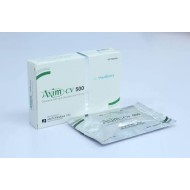
- Stock: Out Of Stock
- Product ID: Olmesartan Medoxomil
Available Options
🔒 100% Secure Payment | bKash | Nagad | SSLCommerz | COD
⭐ Become a FREE Member: 7% Extra Savings • Free Delivery • Refill Reminders • Priority Support
This Item is for pre order
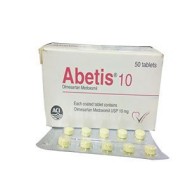
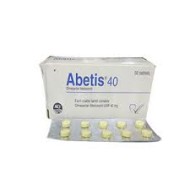
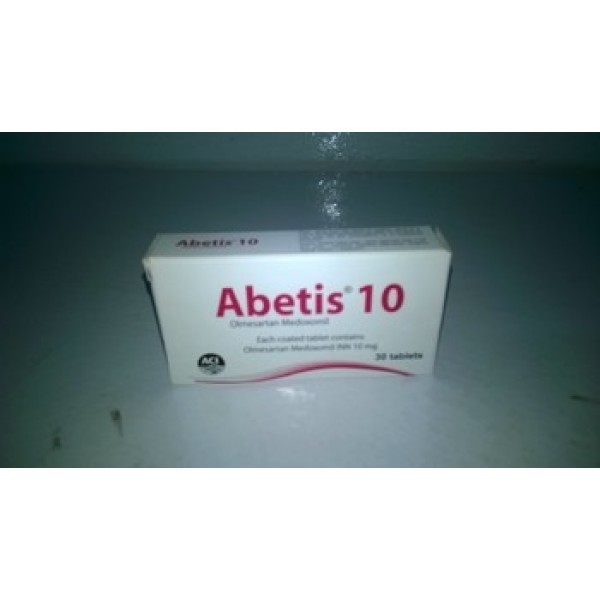
Abetis 10mg Tablet — Olmesartan Medoxomil | Beximco Pharmaceuticals
| Generic Name | Olmesartan Medoxomil 10mg |
| Drug Class | Angiotensin II Receptor Blocker (ARB) |
| Manufacturer | Beximco Pharmaceuticals Ltd. |
| Route | Oral (Tablet) |
| Prescription Status | Prescription Required |
Overview
Abetis 10mg contains Olmesartan Medoxomil, a potent and selective Angiotensin II Type 1 (AT1) receptor blocker (ARB). Olmesartan is one of the most efficacious ARBs available and is a preferred antihypertensive in diabetic patients due to its additional renoprotective properties. It is first-line therapy for hypertension in Type 2 diabetes with or without diabetic nephropathy. The 10mg dose is used for initiation or in patients requiring lower doses.
Mechanism of Action
Olmesartan is a prodrug hydrolysed to its active form (RNH-6270) after oral absorption. It selectively and insurmountably blocks the AT1 receptor, preventing angiotensin II from causing vasoconstriction, aldosterone secretion, sodium retention, and renal afferent arteriolar constriction. This results in vasodilation, reduced blood pressure, decreased aldosterone-mediated sodium retention, and — critically for diabetics — reduced intraglomerular pressure, slowing progression of diabetic nephropathy.
Indications
- Hypertension — all stages, as monotherapy or in combination
- Diabetic nephropathy — renoprotection in Type 2 diabetics with microalbuminuria or proteinuria
- Heart failure with reduced ejection fraction (in combination)
- Prevention of cardiovascular events in high-risk hypertensive patients
Dosage
| Indication | Starting Dose | Maintenance | Maximum |
|---|---|---|---|
| Hypertension | 10–20mg once daily | 20mg once daily | 40mg once daily |
| Diabetic nephropathy | 20mg once daily | 20–40mg once daily | 40mg once daily |
| Elderly / volume-depleted | 10mg once daily | 10–20mg | 40mg |
Take with or without food at the same time each day. Full blood pressure-lowering effect achieved within 2 weeks.
Critical Diabetic Patient Information
- Renoprotection — primary benefit in diabetics: ARBs like olmesartan reduce urinary albumin excretion (microalbuminuria/proteinuria) and slow progression of diabetic nephropathy. All diabetics with hypertension and/or microalbuminuria should be on an ARB or ACE inhibitor
- Monitor potassium: Olmesartan reduces aldosterone, increasing serum potassium. Risk of hyperkalaemia — especially in CKD or when combined with potassium-sparing diuretics or potassium supplements. Check K⁺ within 1–2 weeks of starting and every 3–6 months
- Monitor renal function: Check creatinine and eGFR 1–2 weeks after starting — a rise of up to 25–30% in creatinine is acceptable and expected (reduced intraglomerular pressure). Greater rises may indicate bilateral renal artery stenosis
- Blood pressure targets in diabetics: Target <130/80 mmHg per most guidelines. More aggressive control may benefit those with high proteinuria
- Do NOT combine with ACE inhibitor: Dual renin-angiotensin blockade (ARB + ACE inhibitor) increases hyperkalaemia, hypotension, and renal failure risk without added BP benefit
- Do NOT combine with aliskiren in diabetics (prohibited by ONTARGET/ALTITUDE trial data)
Side Effects
| System | Side Effect | Severity |
|---|---|---|
| Renal | Elevated creatinine, reduced eGFR (initial, often stabilises) | Common — usually acceptable |
| Electrolytes | Hyperkalaemia (especially in CKD) | Moderate — monitor |
| Cardiovascular | Hypotension, dizziness (especially first dose, volume-depleted patients) | Common — Mild |
| GI | Diarrhoea (olmesartan-associated enteropathy — rare but recognised) | Rare — Moderate |
| Respiratory | No cough (advantage over ACE inhibitors) | — |
| Serious (rare) | Angioedema (rare — lower than ACE inhibitors) | Rare — Serious |
Drug Interactions
| Drug | Interaction |
|---|---|
| ACE inhibitors | Do not combine — dual RAS blockade increases adverse events |
| Aliskiren | Contraindicated in diabetics |
| Potassium-sparing diuretics / potassium supplements | Risk of hyperkalaemia |
| NSAIDs | Reduce antihypertensive effect; increase nephrotoxicity risk |
| Antidiabetic drugs (insulin, sulfonylureas) | ARBs may improve insulin sensitivity — monitor for hypoglycaemia |
| Lithium | Increased lithium toxicity — monitor levels |
Contraindications
- Pregnancy (second and third trimester — causes fetal harm/death)
- Known hypersensitivity to olmesartan
- Combination with aliskiren in diabetics or patients with renal impairment (eGFR <60)
- Bilateral renal artery stenosis
Storage
Store below 30°C. Protect from light and moisture. Keep out of reach of children.
Frequently Asked Questions
Q: Why are ARBs like Abetis preferred in diabetics over other antihypertensives?
A: ARBs (and ACE inhibitors) block the renin-angiotensin system, which is overactive in diabetes. They reduce intraglomerular pressure, decrease proteinuria, and slow progression of diabetic nephropathy — benefits not shared by calcium channel blockers or diuretics at equivalent blood pressure reduction.
Q: Will Abetis affect my blood sugar?
A: Olmesartan may slightly improve insulin sensitivity. It does not cause hypoglycaemia but monitor glucose when initiating, as improvement in insulin sensitivity may require adjustment of antidiabetic medications.
Q: Why does my creatinine rise slightly when I start Abetis?
A: A small rise in creatinine (up to 25–30%) is expected and is a sign the ARB is working — it reduces intraglomerular hypertension, which temporarily reduces filtration pressure. This is actually kidney-protective in the long term. Inform your physician if the rise is greater.
Medical Disclaimer: Abetis 10mg (Olmesartan Medoxomil) is a prescription-only medicine. Contraindicated in pregnancy. Diabetic patients must monitor renal function and potassium after starting. Do not combine with ACE inhibitors or aliskiren. This information is for educational purposes only. Always follow your physician's instructions.