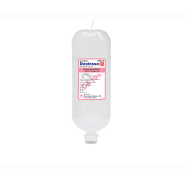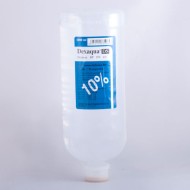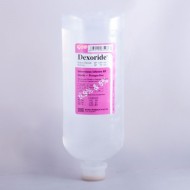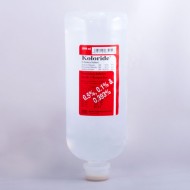
- Stock: Out Of Stock
- Brand: ACI Pharmaceuticals
- Product ID: Oral Rehydration Salt [Flavored]
🔒 100% Secure Payment | bKash | Nagad | SSLCommerz | COD
⭐ Become a FREE Member: 7% Extra Savings • Free Delivery • Refill Reminders • Priority Support
This Item is for pre order
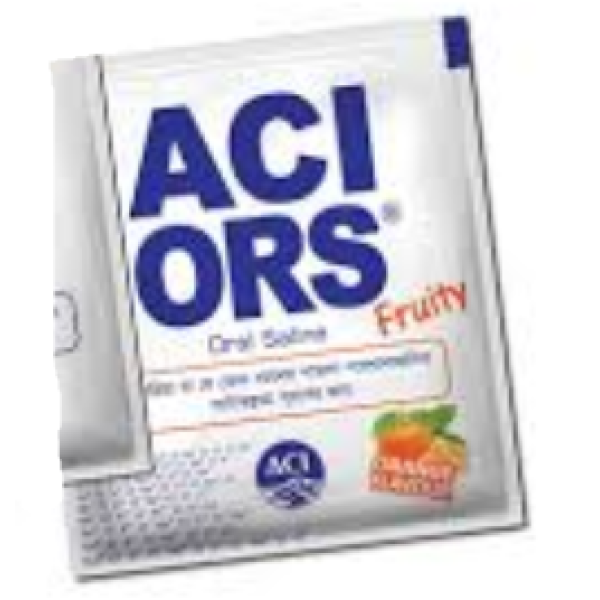
ACI ORS Fruity — Flavoured Oral Rehydration Salt
| Product Overview | |
|---|---|
| Brand Name | ACI ORS Fruity |
| Generic Name | Oral Rehydration Salt — Flavoured (WHO Reduced-Osmolarity Formula) |
| Manufacturer | ACI Pharmaceuticals Ltd., Bangladesh |
| Drug Class | Electrolyte Replenisher / Rehydration Solution |
| Dosage Form | Oral Powder — Fruity Flavoured (Sachet) |
| Composition per Litre | Glucose 13.5 g · Sodium Chloride 2.6 g · Trisodium Citrate 2.9 g · Potassium Chloride 1.5 g · Fruity Flavour |
| Osmolarity | 245 mOsm/L (Reduced-Osmolarity WHO Formula) |
| Storage | Store below 30°C, in a dry place, away from sunlight. Keep out of reach of children. |
| Pregnancy & Lactation | Safe during pregnancy and breastfeeding when clinically indicated |
1. Indications & Uses
ACI ORS Fruity is indicated for the prevention and treatment of dehydration due to diarrhoea, vomiting, excessive sweating, or any condition causing fluid and electrolyte loss. The fruity flavour improves palatability and compliance, particularly in children and elderly patients who may refuse unflavoured ORS. It delivers the same WHO-recommended reduced-osmolarity formula as standard ACI ORS, ensuring equivalent clinical efficacy.
Clinical indications include: acute watery diarrhoea (all causes); rehydration during febrile illness; post-vomiting electrolyte replacement; heat-related dehydration; and diabetic illness management. In patients with diabetes mellitus, gastrointestinal illness with vomiting and diarrhoea can precipitate life-threatening dehydration, electrolyte imbalance, and hypoglycaemia — ACI ORS Fruity provides palatable rehydration that patients are more likely to continue taking.
2. Mechanism of Action
The glucose-sodium co-transport mechanism (via SGLT-1) drives active absorption of sodium and water across the intestinal mucosa even during active secretory diarrhoea. The 245 mOsm/L reduced-osmolarity formulation reduces osmotic load in the gut lumen, lowering stool output and vomiting compared with older high-osmolarity solutions. Potassium replaces intracellular deficits; citrate alkalises to correct metabolic acidosis. The added fruit flavouring is inert pharmacologically and does not alter the absorption kinetics of the electrolytes.
3. Dosage & Administration
Preparation: Dissolve the entire contents of one sachet in exactly 1 litre (1000 ml) of clean water. Stir thoroughly. Do not add to less than 1 litre as this creates a concentrated, hypertonic solution. Discard unused solution after 24 hours.
Adults and children ≥10 years: 200–400 ml after each loose stool or episode of vomiting. For mild-to-moderate dehydration: 50–100 ml/kg over 2–4 hours.
Children 2–9 years: 100–200 ml after each stool. For dehydration: 75 ml/kg over 4 hours with medical supervision.
Infants <2 years: 50–100 ml after each stool. Give slowly by spoon or oral syringe. Continue breastfeeding.
Note for diabetic patients: The glucose content (13.5 g/L) will cause a modest blood glucose rise (~0.5–1 mmol/L per glass). Monitor blood glucose during use. The fruity flavour contains food-grade flavourings that do not significantly impact blood glucose. Consult a physician if blood glucose exceeds 14 mmol/L or if illness is severe.
4. Side Effects
ACI ORS Fruity is well tolerated. Adverse effects are uncommon and include: nausea if consumed too rapidly; hypernatraemia with incorrect dilution; hyperkalaemia in renal impairment; transient blood glucose elevation in diabetic patients; and rare allergic reactions to the flavouring agents (discontinue if rash or urticaria occur). Report any allergic symptoms to your healthcare provider.
5. Contraindications
Contraindicated in: persistent vomiting preventing adequate oral intake; signs of severe dehydration or hypovolaemic shock (IV therapy required); intestinal ileus or obstruction; glucose-galactose malabsorption; severe renal failure with oliguria. Patients with known allergy to any flavouring agents in this product should use unflavoured ACI ORS instead.
6. Warnings & Precautions
Always use clean, potable water. Do not add sugar, juice, or other additives to the prepared solution. Discard after 24 hours. Children should be monitored for puffy eyelids (sign of overhydration). Patients with heart failure, renal disease, or severe liver disease should use ORS under medical supervision. Diabetic patients should monitor blood glucose closely during gastrointestinal illness. If the patient cannot retain oral fluids for >2 hours, seek IV rehydration therapy.
7. Drug Interactions
No significant pharmacokinetic drug interactions. The sodium load may mildly affect antihypertensive efficacy. In lithium-treated patients, ORS may affect lithium clearance. Patients on potassium-sparing diuretics should use with caution. No interactions with flavouring components have been reported.
8. Pharmacokinetics
Glucose and electrolytes are absorbed in the small intestine via SGLT-1 co-transport driving net water absorption of 5–10 ml/min. Potassium is absorbed across the intestinal epithelium. Citrate is hepatically metabolised to bicarbonate. Flavouring components are absorbed minimally and excreted renally. Clinical rehydration is typically evident within 1–2 hours of initiating therapy.
9. Storage & Handling
Store sachets below 30°C in a cool, dry place away from direct sunlight and moisture. Discard if sachet is damaged or powder has clumped or discoloured. Once dissolved, use within 24 hours and refrigerate if possible. Keep away from children.
10. Overdose
Excessive ORS intake may lead to hypernatraemia (thirst, confusion, muscle rigidity) or fluid overload. Stop ORS and provide plain water. Seek emergency medical care for severe hypernatraemia. Contact Poison Control if overdose is suspected.
11. Missed Dose
ORS is used on-demand after each episode of diarrhoea or vomiting. There is no fixed dosing schedule — resume with the next episode. Do not attempt to "catch up" with additional doses.
12. Clinical Evidence
WHO/UNICEF reduced-osmolarity ORS (245 mOsm/L) has been validated in multiple randomised controlled trials and Cochrane meta-analyses showing 24% lower stool output, 30% less vomiting, and significantly reduced need for IV fluids. Flavoured ORS formulations have been shown to improve adherence by 25–40% in paediatric and elderly patients compared to unflavoured versions, directly translating to better outcomes. ICDDR,B data from Bangladesh confirms oral rehydration therapy reduces diarrhoea mortality by over 90% when correctly administered.
13. Patient Counselling Points
• Dissolve exactly one sachet in exactly one litre of clean water — do not alter concentration.
• The fruity flavour makes it easier to drink — important to keep sipping even when nauseated.
• Continue breastfeeding and regular food alongside ORS.
• Seek medical attention if diarrhoea persists >2 days, blood appears in stool, or patient cannot retain fluids.
• Diabetic patients: monitor blood glucose during illness; contact physician if readings are consistently high or low.
• Store remaining sachets in a cool, dry place; use dissolved solution within 24 hours.
Frequently Asked Questions (FAQ)
Q1. Why is ACI ORS Fruity better for children than plain ORS?
Children frequently refuse plain ORS due to its slightly salty taste. The fruity flavour significantly improves palatability and acceptance, resulting in better compliance and more complete rehydration. Clinically equivalent to plain ORS, the fruity variant is preferred where taste compliance is a barrier — particularly in children aged 1–10 years and elderly patients.
Q2. Does the fruity flavour add extra sugar or calories?
No. The fruity flavour in ACI ORS Fruity is a food-grade flavouring agent that adds minimal to no additional sugar or calories. The glucose content (13.5 g/L) comes from the active formulation, not the flavouring. This level is the same as standard ACI ORS and is clinically appropriate even in diabetic patients.
Q3. Can ACI ORS Fruity be used during Ramadan fasting?
Oral liquids and medications are generally not permitted during fasting hours. However, diarrhoeal dehydration is a medical emergency — Islamic scholars and medical bodies agree that taking ORS is permissible when medically necessary during Ramadan. Consult your physician and, if possible, take ORS only during non-fasting hours.
Q4. Is it safe to use ACI ORS Fruity alongside antibiotics for diarrhoea?
Yes. ORS can be used alongside antibiotic therapy — the two work through different mechanisms. ORS corrects fluid and electrolyte deficits while antibiotics treat the underlying bacterial cause (if applicable). ORS should be started immediately regardless of antibiotic use. There are no known pharmacokinetic interactions between ORS and common antibiotics used for diarrhoea.
⚕ Medical Disclaimer: The information provided here is for educational purposes only. Severe dehydration, blood in stool, or inability to retain fluids requires immediate medical attention. This content does not substitute professional medical advice. Always consult your physician or pharmacist before use.