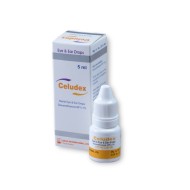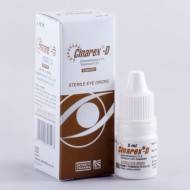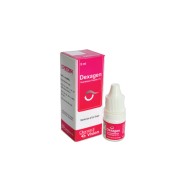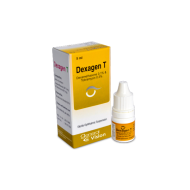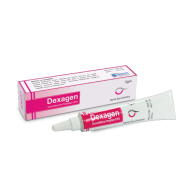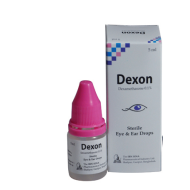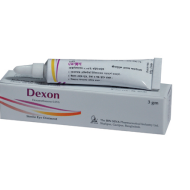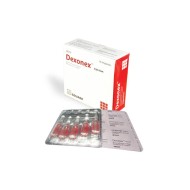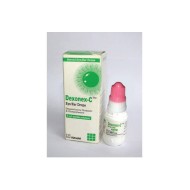

- Stock: Out Of Stock
- Brand: ACI Pharmaceuticals
- Product ID: Dexamethasone Sodium Phosphate
🔒 100% Secure Payment | bKash | Nagad | SSLCommerz | COD
⭐ Become a FREE Member: 7% Extra Savings • Free Delivery • Refill Reminders • Priority Support
This Item is for pre order
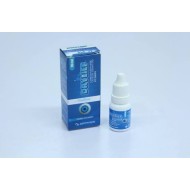
Acicot 0.1% Eye/Ear Drops — Dexamethasone Sodium Phosphate
| Product Overview | |
|---|---|
| Brand Name | Acicot® |
| Generic Name | Dexamethasone Sodium Phosphate 0.1% w/v |
| Manufacturer | ACI Pharmaceuticals Ltd., Bangladesh |
| Drug Class | Corticosteroid — Ophthalmic / Otic Preparation |
| Dosage Form | Sterile Eye/Ear Drops Solution |
| Pack Size | 5 ml drop bottle |
| Prescription Status | Prescription Required (Rx) |
| Route of Administration | Ophthalmic (eye) / Otic (ear) |
| Storage | Store below 25°C, away from light. Discard 4 weeks after opening. |
1. Indications & Clinical Uses
Acicot 0.1% Eye/Ear Drops contains dexamethasone sodium phosphate, a potent synthetic glucocorticoid with powerful anti-inflammatory, anti-allergic, and anti-oedematous properties for ophthalmic and otic use.
Ophthalmic (Eye) Indications: Steroid-responsive inflammatory conditions of the conjunctiva, cornea, and anterior segment of the eye including: allergic conjunctivitis; non-infectious uveitis; iritis; iridocyclitis; keratitis; episcleritis; blepharitis; post-operative ocular inflammation (after cataract extraction, strabismus surgery, refractive procedures); corneal injury from burns or foreign bodies.
Otic (Ear) Indications: Inflammatory conditions of the external auditory canal including otitis externa (swimmer's ear); allergic otic inflammation; eczematous ear canal conditions; post-operative ear inflammation.
Diabetic patient note: Dexamethasone eye drops are commonly used in diabetic patients following cataract surgery (one of the most common complications of long-term diabetes). However, dexamethasone eye drops can raise intraocular pressure (IOP) and elevate blood glucose in susceptible patients — monitor carefully.
2. Mechanism of Action
Dexamethasone is a synthetic fluorinated corticosteroid with approximately 25 times the anti-inflammatory potency of hydrocortisone. It inhibits multiple pathways in the inflammatory cascade: blocks phospholipase A2 (preventing arachidonic acid release and prostaglandin/leukotriene synthesis); suppresses COX-2 upregulation; reduces capillary permeability, vasodilation, and leucocyte migration; and inhibits the release of pro-inflammatory cytokines (IL-1, IL-6, TNF-α). This comprehensive suppression of the inflammatory response produces rapid reduction in ocular/otic redness, swelling, discharge, and pain.
3. Dosage & Administration
Eye Drops: Instil 1–2 drops into the affected eye(s) 4–6 times daily (every 4–6 hours). In severe inflammation, may instil every 1–2 hours for the first 24–48 hours then taper. Treatment duration is typically 7–14 days; should not exceed 14 days without physician re-evaluation.
Ear Drops: Instil 3–4 drops into the affected ear canal 3–4 times daily. Keep head tilted for 2 minutes after instillation. Typical course: 7–10 days.
Technique — Eye drops: Wash hands. Tilt head back. Pull down lower eyelid. Instil 1–2 drops. Close eye gently for 1–2 minutes. Apply light pressure over the inner corner of the eye (nasolacrimal occlusion) to reduce systemic absorption. Do not let dropper tip touch eye or any surface.
4. Side Effects
Ophthalmic side effects: Raised intraocular pressure (IOP) — most important; may develop within days to weeks of use. Posterior subcapsular cataract formation with prolonged use. Secondary ocular infection (corticosteroids suppress immunity). Corneal thinning or perforation in herpetic/bacterial keratitis. Burning, stinging on instillation. Blurred vision (transient).
Systemic side effects (minimal at topical doses): Adrenal suppression and blood glucose elevation are rare but possible with high-dose prolonged ophthalmic use, particularly relevant for diabetic patients — monitor blood glucose.
5. Contraindications
Contraindicated in: active epithelial herpes simplex keratitis (dendritic keratitis); vaccinia, varicella, and other viral diseases of the cornea and conjunctiva; fungal eye infections; mycobacterial ocular infection; untreated bacterial ocular infection; perforated tympanic membrane (ear use); hypersensitivity to dexamethasone or any component.
6. Warnings & Precautions
Intraocular pressure monitoring: IOP should be checked after 5–7 days of treatment and at least every 2 weeks thereafter. Corticosteroid responders (approximately 30% of the population) can develop significantly elevated IOP — if IOP rises, consider discontinuation or switching to a lower-potency corticosteroid. Diabetic patients are at higher risk of steroid-induced ocular hypertension and should be monitored more closely. Prolonged use (>14 days) requires ophthalmologist supervision. Do not use contact lenses during treatment.
7. Drug Interactions
Topical ophthalmic dexamethasone has minimal systemic drug interactions at standard doses. However: NSAIDs (systemic or ophthalmic) may reduce anti-inflammatory efficacy. Anti-glaucoma agents may be needed if IOP rises. Diabetic patients using insulin or oral hypoglycaemics should monitor blood glucose closely during extended ophthalmic corticosteroid treatment as systemic absorption through nasolacrimal drainage can occur.
8. Pharmacokinetics
Ophthalmic dexamethasone sodium phosphate achieves therapeutic concentrations in the aqueous humour, cornea, and anterior segment within 1 hour of instillation. Systemic absorption occurs via nasolacrimal drainage (approximately 80% of an eye drop drains into the nasolacrimal duct). Peak aqueous humour concentrations: 30–60 minutes post-instillation. Anti-inflammatory effect onset: within 30 minutes. The sodium phosphate ester is rapidly converted to free dexamethasone by tissue phosphatases.
9. Storage
Store below 25°C. Do not freeze. Protect from direct light. Keep the bottle tightly closed. Discard 4 weeks after first opening — contamination risk increases significantly after this period.
10. Missed Dose
Instil as soon as remembered. Skip if close to next scheduled dose. Never double dose. Consistent application throughout the day is important for maintaining therapeutic concentrations in ocular/otic tissues.
11. Overdose
Accidental oral ingestion: seek immediate medical attention. Ocular overdose (excessive drops): flush eye with sterile water. The low volume of an eye drop (approximately 30–50 µl) limits systemic toxicity from single-dose excess in the eye.
12. Clinical Evidence
Dexamethasone 0.1% eye drops are a WHO Essential Medicine for ocular inflammatory conditions. Multiple RCTs confirm superior efficacy over vehicle alone for post-operative inflammation after cataract surgery (the standard of care in Bangladesh). A 2020 Cochrane review confirmed ophthalmic corticosteroids reduce post-cataract inflammation and pain significantly vs. NSAID monotherapy when combined. Dexamethasone ranks among the highest-potency topical ophthalmic corticosteroids available, with rapid onset and complete suppression of surgically-induced miosis.
13. Patient Counselling Points
• Duration matters: Do not use for more than 14 days without ophthalmologist review — prolonged use causes IOP elevation and cataract.
• Never use for red eye without diagnosis — if you have a viral or fungal eye infection, dexamethasone will make it dramatically worse.
• Diabetic patients: Monitor your blood glucose during extended use; report any changes in vision, eye pain, or halos around lights immediately.
• IOP check: Ask your doctor for a pressure check after 7–10 days of use.
• Discard after 4 weeks of opening regardless of remaining volume.
• Do not wear soft contact lenses during treatment.
• Apply nasolacrimal occlusion (gentle pressure at inner eye corner) after instilling drops to reduce systemic absorption.
Frequently Asked Questions (FAQ)
Q1. Can Acicot 0.1% Eye Drops be used for simple red eyes or conjunctivitis?
Not without a proper diagnosis. Acicot is a prescription steroid that effectively treats allergic or inflammatory red eyes, but it can be dangerous for viral or bacterial conjunctivitis — steroids mask symptoms while allowing infection to worsen, potentially causing corneal ulceration and vision loss. Always consult an eye specialist before starting any steroid eye drop. A proper eye examination to determine the cause of red eye is essential before use.
Q2. Can diabetic patients use Acicot Eye Drops after cataract surgery?
Yes — dexamethasone eye drops are standard post-cataract surgery anti-inflammatory treatment in Bangladesh, including for diabetic patients. However, diabetic patients require extra monitoring for: (1) elevated intraocular pressure (diabetics are at higher risk of steroid-induced ocular hypertension) — pressure check at day 7 is important; (2) blood glucose elevation from nasolacrimal absorption — check blood glucose more frequently during the treatment period. The benefits generally outweigh risks for post-surgical use under ophthalmologist supervision.
Q3. How long can Acicot Eye Drops be used?
Maximum 14 days of self-treatment. If symptoms persist or worsen after 7–10 days, stop and see an ophthalmologist. Long-term ophthalmic corticosteroid use (beyond 3–4 weeks) carries significant risk of steroid-induced glaucoma and posterior subcapsular cataract formation. Patients requiring longer treatment (e.g., chronic uveitis) must be under active ophthalmological care with regular IOP monitoring.
Q4. Can Acicot be used as both eye drops and ear drops?
Yes — Acicot 0.1% is formulated and licensed for both ophthalmic (eye) and otic (ear) use, a common dual-use formulation for corticosteroid preparations in Bangladesh. For ear use, ensure the eardrum is intact (not perforated) — contraindicated if the tympanic membrane is perforated as the drug can pass into the middle ear. Do not use the same bottle for both eye and ear in different patients.
⚕ Medical Disclaimer: Acicot is a prescription medication. Use only under physician supervision. Do not self-prescribe ophthalmic corticosteroids. Diabetic patients should monitor blood glucose and intraocular pressure during extended use. This content is for educational purposes only and does not replace professional ophthalmic consultation.