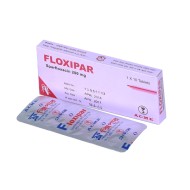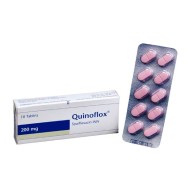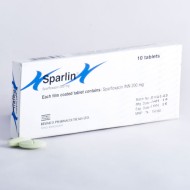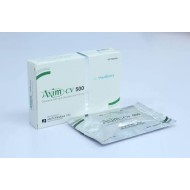
- Stock: Out Of Stock
- Brand: ACI Pharmaceuticals
- Product ID: Sparfloxacin
🔒 100% Secure Payment | bKash | Nagad | SSLCommerz | COD
⭐ Become a FREE Member: 7% Extra Savings • Free Delivery • Refill Reminders • Priority Support
This Item is for pre order
Aciflox 200 Tablet — Sparfloxacin 200mg Antibiotic
| Product Overview | |
|---|---|
| Brand Name | Aciflox 200 |
| Generic Name | Sparfloxacin 200 mg |
| Manufacturer | ACI Pharmaceuticals Ltd., Bangladesh |
| Drug Class | Fluoroquinolone Antibiotic (3rd Generation) |
| Dosage Form | Film-coated Tablet |
| Strength | 200 mg per tablet |
| Prescription Status | Prescription Required (Rx) |
| Storage | Store below 30°C, away from light and moisture |
| Pregnancy Category | Category C — Avoid unless benefit outweighs risk; not for use in pregnancy/lactation |
1. Indications & Clinical Uses
Aciflox 200 contains sparfloxacin, a third-generation fluoroquinolone antibiotic with a broader spectrum than earlier fluoroquinolones and enhanced activity against Gram-positive organisms, atypical pathogens, and anaerobes. Its most important clinical distinguishing feature is outstanding tissue penetration into lung tissue, making it particularly effective for respiratory tract infections.
Approved indications include: Community-acquired pneumonia (CAP) — including infections caused by Streptococcus pneumoniae, Haemophilus influenzae, Mycoplasma pneumoniae, Chlamydophila pneumoniae, and Legionella pneumophila; acute exacerbations of chronic bronchitis (AECB); skin and soft tissue infections; urinary tract infections (UTI); uncomplicated gonorrhoea; and certain cases of multidrug-resistant tuberculosis (MDR-TB) as adjunct therapy.
Diabetes relevance: Diabetic patients have significantly higher susceptibility to pneumonia and complicated urinary tract infections due to immune suppression from hyperglycaemia. Sparfloxacin's excellent tissue penetration and activity against atypical organisms make it a valuable antibiotic for diabetic patients with respiratory infections. However, sparfloxacin can cause both hypoglycaemia and hyperglycaemia — blood glucose monitoring is essential during treatment.
2. Mechanism of Action
Sparfloxacin is a bactericidal fluoroquinolone antibiotic that inhibits two essential bacterial enzymes: DNA gyrase (topoisomerase II) and topoisomerase IV. These enzymes are required for bacterial DNA replication, transcription, repair, and recombination. By trapping the drug-enzyme-DNA complex, sparfloxacin causes double-strand DNA breaks, leading to rapid bacterial cell death. Sparfloxacin has enhanced activity against DNA gyrase in Gram-negative organisms and topoisomerase IV in Gram-positive organisms compared to earlier fluoroquinolones (ciprofloxacin, norfloxacin). It also has a long half-life (16–20 hours) enabling once-daily dosing after a loading dose.
3. Dosage & Administration
Community-acquired pneumonia / AECB (adults ≥18 years):
Day 1: 400 mg loading dose (2 tablets) as single dose.
Day 2–10: 200 mg once daily (1 tablet).
Total course: 10 days.
Uncomplicated UTI / skin infections: 200 mg once daily for 7–10 days, with 400 mg loading on Day 1.
Renal impairment (CrCl <50 ml/min): 400 mg loading dose then 200 mg every 48 hours (dose interval doubled).
Take on an empty stomach or with food. Drink 2–3 glasses of water with each dose. Avoid direct sunlight and UV light during and for 5 days after treatment — phototoxicity is a significant risk with sparfloxacin.
4. Side Effects
Phototoxicity is the most clinically significant and characteristic adverse effect of sparfloxacin, affecting approximately 7–10% of patients — significantly higher than other fluoroquinolones. Manifests as severe sunburn-like reaction even with brief sun exposure. Strict sun avoidance is mandatory during and 5 days after treatment.
QTc prolongation: Sparfloxacin prolongs the cardiac QT interval — risk of serious arrhythmias (torsades de pointes) particularly when combined with other QT-prolonging drugs. ECG monitoring required in at-risk patients.
Common (≥1%): GI disturbances (nausea, diarrhoea, abdominal discomfort), headache, dizziness, insomnia.
Blood glucose effects: Fluoroquinolones including sparfloxacin can cause both hypoglycaemia (stimulates insulin secretion) and hyperglycaemia — monitor blood glucose, especially in diabetic patients on sulfonylureas or insulin.
Rare but serious: Tendon rupture (especially Achilles tendon — risk increases with age, steroids, and renal failure), peripheral neuropathy, CNS effects (seizures in predisposed patients), hepatotoxicity.
5. Contraindications
Contraindicated in: known QT interval prolongation; concomitant use of QT-prolonging drugs (antiarrhythmics class IA and III, antipsychotics, erythromycin, tricyclic antidepressants); hypokalaemia; bradycardia; known hypersensitivity to sparfloxacin or any fluoroquinolone; pregnancy and lactation; patients under 18 years (risk of cartilage damage); history of tendon disorders with fluoroquinolones; photosensitivity disorders.
6. Warnings & Precautions
STRICT SUN AVOIDANCE: Patients must avoid direct sunlight, tanning beds, and bright indoor lighting during treatment and for 5 days after the last dose. Even indirect sun exposure through windows can cause severe phototoxic reactions. Wear protective clothing, wide-brim hats, and use high-SPF sunscreen when outdoors. This is not optional — phototoxic reactions from sparfloxacin can be severe and debilitating.
Cardiac monitoring: Obtain baseline ECG in patients with cardiac disease, electrolyte abnormalities (hypomagnesaemia, hypokalaemia — common in diabetic patients on diuretics), or taking other QT-prolonging drugs.
Tendon precaution: Discontinue immediately if tendon pain or swelling occurs. Older patients, those on corticosteroids, and patients with renal failure are at highest risk.
Diabetic patients: Monitor blood glucose frequently — fluoroquinolone-induced dysglycaemia is a well-documented class effect, particularly relevant when patients are already on insulin or sulfonylureas.
7. Drug Interactions
Major interactions: QT-prolonging drugs (antiarrhythmics, erythromycin, clarithromycin, antipsychotics, tricyclics, methadone) — risk of fatal arrhythmia; antacids containing aluminium/magnesium/calcium — reduce sparfloxacin absorption by up to 90% (separate by 2–4 hours); iron and zinc supplements — chelate sparfloxacin, reducing absorption; sucralfate — reduces absorption; theophylline — sparfloxacin may increase theophylline levels; warfarin — may potentiate anticoagulant effect; NSAIDs — increase risk of CNS seizures.
Diabetes medications: Sulfonylureas (glibenclamide, glipizide) — risk of severe hypoglycaemia increases; insulin dose may need adjustment. Monitor blood glucose closely for the entire duration of sparfloxacin treatment.
8. Pharmacokinetics
Oral bioavailability: ~92% (excellent). Tmax: 3–6 hours. Protein binding: 45%. Volume of distribution: 3.9 L/kg — excellent tissue penetration including lung tissue (lung tissue concentrations 3–5× plasma levels). Half-life: 16–20 hours — enables once-daily dosing. Elimination: 50% renal, 50% hepatic. Crosses blood-brain barrier minimally. Penetrates well into macrophages, relevant for intracellular pathogen coverage (Mycoplasma, Chlamydophila, Legionella).
9. Storage
Store below 30°C in a cool, dry place. Protect from light and moisture. Keep in original blister packaging. Keep out of reach of children.
10. Missed Dose
Take as soon as remembered, unless it is almost time for the next dose. Never double dose. Completing the full course is essential to prevent antibiotic resistance — do not stop early even if symptoms improve.
11. Overdose
Supportive treatment. Gastric lavage if presentation is within 1 hour. Monitor ECG (QT prolongation), renal function, and CNS status. No specific antidote. Dialysis does not significantly remove sparfloxacin.
12. Clinical Evidence
Multiple RCTs from the 1990s-2000s confirmed sparfloxacin's non-inferiority to amoxicillin-clavulanate and comparability with clarithromycin for CAP and AECB. The ATLAS study (1998, n=3,195) demonstrated clinical success rates of 91% for CAP with sparfloxacin vs. 89% with amoxicillin-clavulanate. Sparfloxacin achieves pharmacodynamic targets (AUC/MIC ratio >25) against susceptible respiratory pathogens at standard doses. Its unique combination of atypical pathogen coverage (Mycoplasma, Chlamydophila, Legionella) with Gram-positive activity makes it particularly suitable for outpatient CAP treatment in Bangladesh where atypical pathogens are prevalent.
13. Patient Counselling Points
• AVOID SUNLIGHT COMPLETELY during treatment and for 5 days after the last tablet — even on cloudy days. If you must go outdoors, cover all exposed skin and use SPF 50+ sunscreen.
• Complete the full course — stopping early causes antibiotic resistance.
• Take antacids, iron, or zinc at least 2 hours before or 4 hours after Aciflox.
• Diabetic patients: Check blood glucose more frequently — sparfloxacin can cause both high and low blood sugar.
• Tell your doctor if you experience: irregular heartbeat, palpitations (QT prolongation), tendon pain or swelling (stop immediately), severe skin reaction with sun exposure.
• Drink 2–3 extra glasses of water per day to protect your kidneys.
Frequently Asked Questions (FAQ)
Q1. Why must I strictly avoid sunlight while taking Aciflox (Sparfloxacin)?
Sparfloxacin has a much higher rate of photosensitivity than other antibiotics — around 7–10% of users experience severe sunburn-like reactions from minimal sun exposure. This is a drug-specific property of the sparfloxacin molecule related to its particular fluorine substitution pattern. Even brief exposure to sunlight — or even sitting near a sunny window — can trigger a severe phototoxic reaction. The reaction can occur during treatment and up to 5 days after stopping. This is not merely a "mild sensitivity" — sparfloxacin phototoxicity can cause blistering, severe pain, and prolonged skin damage. Strict avoidance is mandatory, not precautionary.
Q2. Is Aciflox safe for diabetic patients with pneumonia?
Aciflox can be used in diabetic patients with pneumonia under physician supervision, but requires additional monitoring. The key concerns for diabetic patients are: (1) blood glucose fluctuations — sparfloxacin can cause both hypoglycaemia (particularly in patients on sulfonylureas) and hyperglycaemia. Monitor blood glucose at least twice daily during treatment. (2) Cardiac safety — diabetic patients with autonomic neuropathy may already have QT prolongation; check ECG before starting. (3) Renal function — adjust dose if CrCl <50 ml/min (common in diabetic nephropathy). Used correctly with these precautions, Aciflox is effective for pneumonia in diabetic patients.
Q3. How is Aciflox 200 (Sparfloxacin) different from other fluoroquinolone antibiotics?
Sparfloxacin is a third-generation fluoroquinolone with three key advantages over earlier fluoroquinolones (ciprofloxacin, ofloxacin): (1) Once-daily dosing due to its long half-life (16–20h vs. 4–6h for ciprofloxacin); (2) Enhanced Gram-positive and atypical pathogen coverage — much more effective than ciprofloxacin against Streptococcus pneumoniae, Mycoplasma, and Chlamydophila; (3) Higher lung tissue concentrations. The main disadvantages vs. later fluoroquinolones (levofloxacin, moxifloxacin): higher phototoxicity risk and more pronounced QT prolongation. For respiratory tract infections specifically, sparfloxacin is clinically effective.
Q4. Can sparfloxacin be used for tuberculosis (TB) treatment?
Sparfloxacin is used as a second-line agent for multidrug-resistant tuberculosis (MDR-TB) in some regimens, primarily in settings where later fluoroquinolones (levofloxacin, moxifloxacin) are unavailable. It has documented in vitro and clinical activity against Mycobacterium tuberculosis. However, for MDR-TB treatment, WHO currently prioritises levofloxacin and moxifloxacin over sparfloxacin due to better clinical evidence. Sparfloxacin for TB should only be used under specialist DOTS-Plus supervision. In Bangladesh, the NTP (National Tuberculosis Programme) guidelines should be followed for approved TB regimens.
⚕ Medical Disclaimer: Aciflox is a prescription antibiotic — use only as prescribed by a registered physician. Misuse contributes to antibiotic resistance. Mandatory sun avoidance is required during and for 5 days after treatment. Diabetic patients should monitor blood glucose closely. This content is for educational purposes only.