- Stock: Out Of Stock
- Brand: Acme Laboratories Limited
- Product ID: Clobetasol Propionate + Neomycin Sulphate + Nystatin
🔒 100% Secure Payment | bKash | Nagad | SSLCommerz | COD
⭐ Become a FREE Member: 7% Extra Savings • Free Delivery • Refill Reminders • Priority Support
This Item is for pre order
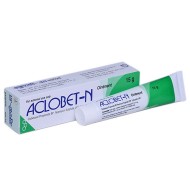
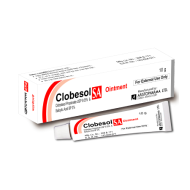
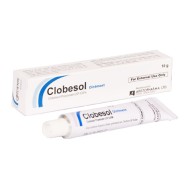
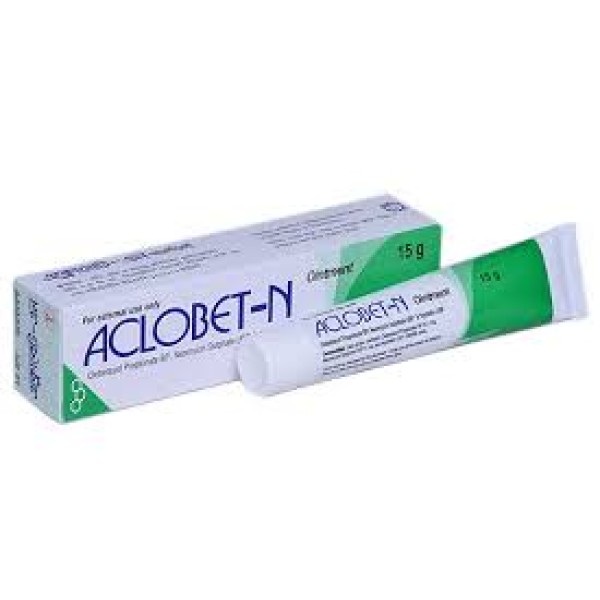
Aclobet-N 15 gm Cream — Clobetasol + Neomycin + Nystatin Triple-Action Topical Cream
| Attribute | Details |
|---|---|
| Brand Name | Aclobet-N |
| Generic Name | Clobetasol Propionate 0.05% + Neomycin Sulphate 0.5% + Nystatin BP 1,00,000 IU/g |
| Dosage Form | Cream (Topical) |
| Pack Size | 15 gm tube |
| Manufacturer | The ACME Laboratories Ltd., Bangladesh |
| Therapeutic Class | Topical Corticosteroid + Antibacterial + Antifungal (Triple Combination) |
| Prescription Status | Prescription Only (℞) |
| Storage | Store below 30°C, away from direct sunlight. Keep tube tightly closed. |
Overview
Aclobet-N 15 gm Cream is a triple-combination topical preparation combining the super-potent corticosteroid clobetasol propionate 0.05%, the broad-spectrum aminoglycoside antibacterial neomycin sulphate 0.5%, and the polyene antifungal nystatin BP 100,000 IU/g. This three-in-one formulation is specifically designed for inflammatory skin conditions complicated by, or at risk of, secondary bacterial and fungal superinfection — a common clinical scenario in Bangladesh's humid tropical climate. Manufactured by The ACME Laboratories Ltd., Aclobet-N Cream provides simultaneous anti-inflammatory, antibacterial, and antifungal cover in a single application, reducing the need for multiple topical preparations and improving patient compliance.
Composition
Each gram of Aclobet-N Cream contains: Clobetasol Propionate BP 0.05% (0.5 mg), Neomycin Sulphate BP equivalent to Neomycin base 0.5% (5 mg), and Nystatin BP 1,00,000 IU in a water-miscible cream base. The cream base includes cetostearyl alcohol, cetomacrogol 1000, mineral oil, white soft paraffin, chlorocresol (preservative), propylene glycol, and purified water.
Mechanism of Action
Clobetasol Propionate (0.05%): Super-potent glucocorticoid that suppresses transcription of pro-inflammatory cytokines (IL-1β, IL-2, IL-6, TNF-α) and inhibits prostaglandin and leukotriene synthesis via glucocorticoid receptor binding. Reduces vasodilation, erythema, oedema, pruritus, and epidermal hyperproliferation.
Neomycin Sulphate (0.5%): Aminoglycoside antibiotic that irreversibly binds to the 30S ribosomal subunit of susceptible bacteria, causing misreading of mRNA and inhibiting protein synthesis. Bactericidal against most Gram-positive cocci (Staphylococcus aureus including some MRSA strains) and Gram-negative organisms (Pseudomonas, E. coli, Klebsiella) commonly colonising infected skin.
Nystatin BP 1,00,000 IU/g: Polyene antifungal that binds ergosterol in the fungal cell membrane, forming pores that increase membrane permeability and cause leakage of intracellular components, leading to fungal cell death. Active against Candida albicans and other Candida species that frequently cause cutaneous candidiasis in flexural and intertriginous areas.
Indications
Aclobet-N Cream is indicated for inflammatory dermatoses complicated by bacterial and/or fungal secondary infection, including: infected eczema (atopic, contact, seborrhoeic) with concurrent Staphylococcal colonisation and Candida superinfection; infected psoriasis with secondary bacterial/fungal infection; intertriginous dermatitis (nappy rash, groin dermatitis, submammary dermatitis) with mixed bacterial-fungal infection; inflammatory tinea with pronounced inflammatory component; and secondarily infected lichen planus or lichen simplex chronicus. Particularly useful in diabetic patients who are highly susceptible to cutaneous bacterial and fungal infections due to impaired immune function and glycaemic dysregulation.
Dosage and Administration
Apply a thin layer of Aclobet-N Cream to the affected area 2–3 times daily as directed by the physician. Duration of treatment should not exceed 4 weeks. Gently massage into the skin. Maximum weekly application should not exceed 50 grams. Do not use under occlusive dressings. Avoid contact with eyes and mucous membranes. Wash hands after application. Reassess at 2 weeks; if infection is controlled, consider stepping down to plain clobetasol or a lower-potency steroid.
Contraindications
Aclobet-N Cream is contraindicated in: known hypersensitivity to clobetasol propionate, neomycin, nystatin, or any cream excipient; tuberculous or viral skin infections (herpes simplex, varicella, vaccinia); primary untreated fungal infections requiring systemic antifungal therapy; perforated ear drum (for any ear application); neonates and infants; application to the face, groin, or axillae without specialist supervision. Not for ophthalmic use.
Side Effects
The triple-combination increases the risk of contact sensitisation to neomycin — estimated prevalence of neomycin allergy in Bangladesh is 5–15% in eczema patients. Monitor for allergic contact dermatitis characterised by worsening rather than improving dermatitis after application. Other side effects include those attributable to clobetasol (skin atrophy, striae, HPA axis suppression with extensive use) and nystatin (rare local irritation). Systemic neomycin absorption through broken skin may rarely cause nephrotoxicity or ototoxicity. Emergence of neomycin-resistant bacteria is possible with prolonged use.
Warnings and Precautions
Diabetic patients: Diabetics have elevated susceptibility to skin infections and impaired wound healing — Aclobet-N Cream provides broad cover for mixed bacterial-fungal skin infections that are disproportionately common in people with diabetes. However, monitor blood glucose carefully as clobetasol can cause hyperglycaemia with extensive or prolonged application. Infected diabetic skin lesions on the feet or legs should be evaluated by a physician before applying any topical steroid. Do not apply to deep or ulcerated lesions. Neomycin sensitisation occurs in 5–15% of patients — discontinue if the condition worsens unexpectedly.
Drug Interactions
Concurrent systemic aminoglycosides (gentamicin, amikacin) combined with topical neomycin over large broken skin areas may increase systemic aminoglycoside toxicity. Systemic antifungals (fluconazole, itraconazole) may reduce the need for topical nystatin and should be coordinated. CYP3A4 inhibitors increase systemic exposure from the clobetasol component. Antidiabetic medications may need dose adjustment if hyperglycaemia occurs from systemic steroid absorption.
Use in Special Populations
Pregnancy: Use only if clearly necessary; clobetasol is Category C. Avoid extensive application. Lactation: Do not apply near the breast. Paediatric use: Avoid in infants and children under 12 without specialist supervision due to heightened systemic absorption and neomycin sensitisation risk. Elderly: Fragile and atrophic skin; use minimum effective dose. Neomycin allergy is more prevalent in older patients with chronic eczema.
How Supplied
Aclobet-N Cream is available in a 15 gm aluminium tube, manufactured by The ACME Laboratories Ltd., Bangladesh. Store below 30°C, protected from light and moisture. Keep out of children's reach. Do not use beyond the expiry date printed on the tube and carton.
Frequently Asked Questions (FAQ)
Q1: Why does Aclobet-N contain three active ingredients?
In clinical practice, many inflammatory skin conditions — especially in a humid tropical country like Bangladesh — become secondarily infected with bacteria (most commonly Staphylococcus aureus) and fungi (most commonly Candida). Treating only the inflammation without clearing the infection leads to treatment failure. Aclobet-N's triple combination addresses all three components simultaneously: the clobetasol treats inflammation, neomycin kills bacteria, and nystatin eliminates Candida and other yeasts.
Q2: I am a diabetic with an infected skin rash in the groin area — is Aclobet-N Cream suitable?
Diabetic patients are particularly prone to intertriginous infections combining inflammation, bacterial, and Candida infection. However, a physician should examine the rash first to confirm the diagnosis. Groin skin is thin, and the super-potent clobetasol component may cause rapid atrophy and systemic absorption in this area. Your dermatologist may prefer a lower-potency combination or systemic antifungal treatment for extensive groin candidiasis.
Q3: My skin worsened after starting Aclobet-N — what should I do?
Worsening after starting Aclobet-N may indicate neomycin contact allergy (5–15% incidence), an infection not covered by neomycin or nystatin (e.g., herpes, tinea), or an incorrect diagnosis. Stop the cream and consult your dermatologist immediately. Do not increase the dose if the condition is deteriorating.
Q4: Can Aclobet-N Cream be used long-term for recurring skin infections in diabetes?
No — this is a short-course preparation (maximum 4 weeks). Long-term use drives neomycin resistance in skin bacteria, causes skin atrophy from clobetasol, and may suppress adrenal function. For recurrent skin infections in diabetes, the primary goal is glycaemic optimisation, combined with appropriate short-course antifungal or antibacterial therapy as needed, under dermatologist guidance.