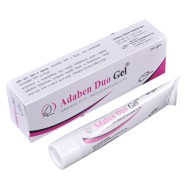
- Stock: Out Of Stock
- Brand: Acme Laboratories Limited
- Product ID: Adapalene + Benzoyl peroxide
Available Options
🔒 100% Secure Payment | bKash | Nagad | SSLCommerz | COD
⭐ Become a FREE Member: 7% Extra Savings • Free Delivery • Refill Reminders • Priority Support
This Item is for pre order
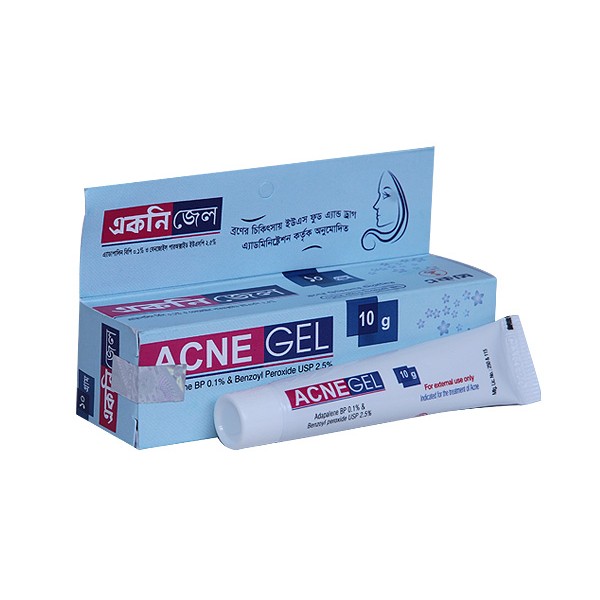
Acnegel Gel — Adapalene 0.1% + Benzoyl Peroxide 2.5% Combination Acne Treatment Gel
| Attribute | Details |
|---|---|
| Brand Name | Acnegel |
| Generic Name | Adapalene 0.1% + Benzoyl Peroxide 2.5% |
| Dosage Form | Topical Gel |
| Pack Size | 10 gm tube |
| Therapeutic Class | Topical Acne Treatment (Retinoid + Antibacterial Combination) |
| Prescription Status | Prescription Only (℞) |
| Storage | Store below 25°C, away from direct sunlight. Keep tube tightly closed. |
Overview
Acnegel Topical Gel is a dual-action acne treatment combining adapalene 0.1% (a third-generation topical retinoid) with benzoyl peroxide 2.5% (an antibacterial and keratolytic agent) in a stable, non-aqueous gel vehicle. This combination addresses the two primary pathogenic mechanisms of acne vulgaris simultaneously: abnormal follicular keratinisation (targeted by adapalene) and colonisation by Cutibacterium acnes (targeted by benzoyl peroxide). The combination produces synergistic efficacy superior to either agent alone, making it a first-line treatment choice for moderate-to-severe inflammatory and mixed acne vulgaris in adolescents and adults. Available in a convenient 10 gm tube, Acnegel is formulated for once-daily topical application with a demonstrated favourable safety and tolerability profile.
Composition
Each gram of Acnegel Gel contains: Adapalene INN 0.1% (1 mg/g) and Benzoyl Peroxide 2.5% (25 mg/g) in a gel base consisting of carbomer 940, poloxamer 124, edetate disodium, docusate sodium, glycerol, and purified water, with sodium hydroxide to adjust pH. The formulation is specifically designed to maintain the stability of both actives, preventing the mutual degradation that occurs when retinoids and peroxides are combined in conventional formulations.
Mechanism of Action
Adapalene (0.1%): A selective third-generation naphthoic acid retinoid that binds retinoic acid receptors RAR-β and RAR-γ in the epidermis. Normalises follicular keratinisation, reducing microcomedone formation — the precursor to all acne lesions. Suppresses inflammatory gene transcription via AP-1 inhibition, reducing inflammatory cytokine production in acne-affected follicles. Non-comedogenic and photostable, unlike older retinoids.
Benzoyl Peroxide (2.5%): Releases free oxygen radicals that oxidise bacterial proteins, delivering rapid bactericidal activity against Cutibacterium acnes (formerly Propionibacterium acnes), Staphylococcus epidermidis, and other follicular pathogens. Also exerts keratolytic activity, promoting desquamation of the follicular epithelium and unblocking plugged comedones. Crucially, benzoyl peroxide does not induce antimicrobial resistance — unlike topical antibiotics — making it the preferred antibacterial agent in combination acne therapy.
Indications
Acnegel is indicated for the topical treatment of acne vulgaris in patients aged 12 years and above. Specifically: moderate-to-severe inflammatory acne (papules, pustules, nodules); mixed acne combining open and closed comedones with inflammatory lesions; acne unresponsive to monotherapy with either adapalene or benzoyl peroxide alone; and acne in patients requiring reduction of antibiotic resistance risk (benzoyl peroxide's addition eliminates the need for topical antibiotics). Particularly relevant for patients with diabetic skin who are prone to folliculitis and secondary bacterial infections of acne lesions.
Dosage and Administration
Apply Acnegel once daily in the evening to the entire acne-affected area (not just individual spots) after gentle cleansing and patting the skin dry. Use a pea-sized amount for the full face. Avoid eyes, lips, mouth, nostrils, and mucous membranes. During the first 2–4 weeks, temporary worsening (purging) and dryness may occur as the skin adjusts — this is expected and usually resolves. Full therapeutic benefit is typically seen after 8–12 weeks of consistent use. Avoid excessive sun exposure and use non-comedogenic SPF 30+ daily during treatment.
Contraindications
Contraindicated in: hypersensitivity to adapalene, benzoyl peroxide, or any gel excipient; eczematous or sunburned skin; during pregnancy (adapalene is Category C — systemic absorption is low but caution advised); breastfeeding without physician advice; and use on severely abraded or broken skin. Avoid concurrent use with other topical retinoids. Not for ophthalmic use.
Side Effects
The most common treatment-emergent adverse effects during initiation include: erythema (skin redness), dryness, scaling/peeling, and a burning or stinging sensation on application — these are dose-related retinoid effects that diminish within 2–4 weeks. Benzoyl peroxide may cause bleaching of hair, fabric, and coloured surfaces — avoid contact. Contact allergy to benzoyl peroxide is rare but possible. Photosensitivity is increased during treatment — adequate sunscreen use is mandatory. Severe irritation warrants frequency reduction or temporary discontinuation.
Warnings and Precautions
Diabetic patients: Diabetics with acne-prone or oily skin may benefit from Acnegel's dual-action formulation. Acne in diabetics may be exacerbated by hyperinsulinaemia-driven androgen excess and IGF-1 elevation — optimising glycaemic control reduces acne severity in insulin-resistant patients. Benzoyl peroxide bleaches fabric — protect pillowcases and clothing during treatment. Wash hands thoroughly after application to avoid inadvertent bleaching of eyebrows or hair. Start with alternate-day application in sensitive skin and titrate to daily use over 2–3 weeks.
Drug Interactions
Avoid concurrent topical retinoids (tretinoin, tazarotene) — additive irritation. Topical antibiotics (clindamycin, erythromycin) should not be combined — the benzoyl peroxide in this combination provides sufficient antibacterial activity, and antibiotics add resistance risk. Waxing and threading should be avoided on treated areas as skin may be more friable. Oxidising agents in other topical products may degrade the adapalene component. Metformin and other antidiabetic medications: no known topical interactions.
Use in Special Populations
Pregnancy (Category C): Avoid during pregnancy — although systemic absorption through intact skin is minimal (<1%), adapalene is a retinoid and caution is warranted, particularly in the first trimester. Lactation: Use with caution; apply away from breast area. Paediatric use: Approved for ages 12 and above. Safety in under-12s not established. Elderly: Acne is less common in elderly; use with care on photodamaged or sensitive skin.
How Supplied
Acnegel is available in a 10 gm collapsible tube. Store below 25°C, away from direct sunlight and heat. Keep out of reach of children. Do not use beyond the expiry date printed on the tube and outer carton.
Frequently Asked Questions (FAQ)
Q1: Why is Acnegel better than using adapalene or benzoyl peroxide separately?
Clinical trials have shown the combination gel outperforms either agent used alone. Adapalene normalises skin cell turnover and reduces the microcomedones that are the root of all acne lesions. Benzoyl peroxide rapidly kills Cutibacterium acnes, providing faster reduction of inflammatory lesions. Together, they address both comedonal and inflammatory acne simultaneously, and the stable co-formulation prevents the mutual inactivation seen with concurrent separate application.
Q2: My acne looks worse after starting Acnegel — should I stop?
A temporary worsening (skin "purging") is common in the first 2–4 weeks. Adapalene accelerates skin cell turnover, rapidly bringing deep microcomedones to the surface. This resolves spontaneously. However, if you experience severe burning, peeling, or widespread redness, reduce to alternate-day application and consult your dermatologist. True purging should improve significantly by weeks 6–8; persistent worsening warrants re-evaluation.
Q3: Can I use Acnegel if I have diabetes?
Yes, under dermatologist supervision. Diabetics have a higher prevalence of acne and folliculitis due to androgen-insulin interactions and immune changes. Acnegel's combination is effective for inflammatory acne in this population. Note that improved glycaemic control often reduces acne severity — discuss with your endocrinologist. Benzoyl peroxide does not interact with antidiabetic medications.
Q4: How long before Acnegel shows noticeable results?
Initial improvement in skin texture and reduction of active inflammatory lesions is typically seen by week 4–6. Significant reduction in acne count (≥50%) is usually achieved by week 8–12. For optimal outcomes, consistent once-daily application without interruption for at least 12 weeks is recommended. Maximum benefit in comedonal acne may take 16–20 weeks.