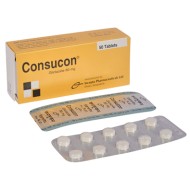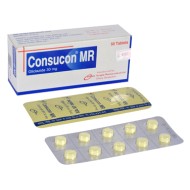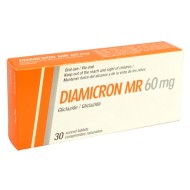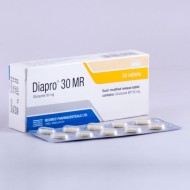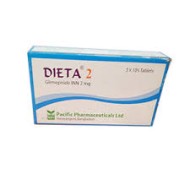
- Stock: In Stock
- Brand: Unimed Unihealth MFG. Ltd.
- Product ID: Glimepiride
Available Options
🔒 100% Secure Payment | bKash | Nagad | SSLCommerz | COD
⭐ Become a FREE Member: 7% Extra Savings • Free Delivery • Refill Reminders • Priority Support
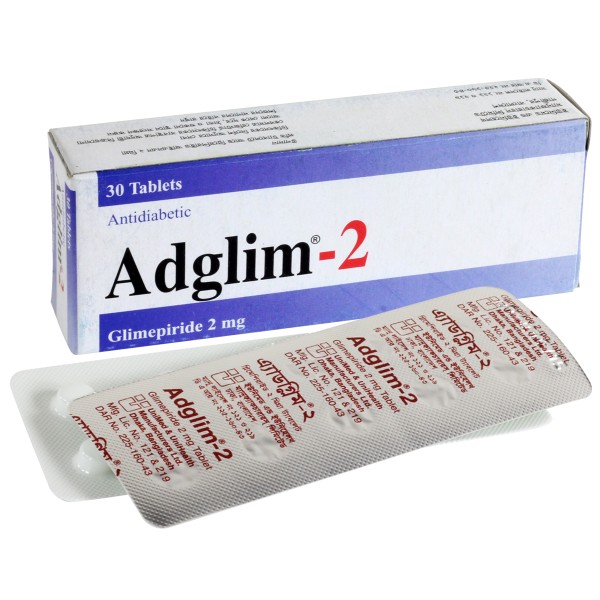
ADGLIM 2mg Tablet — Glimepiride
Generic Name: Glimepiride 2mg
Manufacturer: Beximco Pharmaceuticals Ltd.
Drug Class: Sulphonylurea — Oral Antidiabetic Agent (3rd Generation)
Dosage Form: Tablet
Prescription Status: Prescription Only (Rx)
Mechanism of Action
Glimepiride is a third-generation sulphonylurea that stimulates insulin secretion from pancreatic beta cells by binding to the sulphonylurea receptor-1 (SUR-1) subunit of ATP-sensitive potassium (KATP) channels, causing channel closure, membrane depolarisation, calcium influx, and insulin release. It also has extrapancreatic effects, improving insulin sensitivity in peripheral tissues and reducing hepatic glucose output.
The 2mg tablet is the most commonly used maintenance dose for most T2DM patients requiring sulphonylurea therapy, offering effective glycaemic control with once-daily dosing.
Advantages over Older Sulphonylureas
- Once-daily dosing due to long duration of action
- Lower risk of severe hypoglycaemia compared to glibenclamide
- Selective binding — less cardiovascular KATP channel effect
- Additional extrapancreatic insulin-sensitising properties
- Can be used in combination with metformin, DPP-4 inhibitors, SGLT-2 inhibitors, or basal insulin
Indications
- Type 2 Diabetes Mellitus (T2DM) in adults — monotherapy or combination therapy
- When metformin alone is insufficient for glycaemic targets
- As part of triple oral therapy or with basal insulin
Dosage and Administration
| Stage | Dose | Timing |
|---|---|---|
| Starting dose | 1mg once daily (start low) | With or just before the first main meal |
| Titration to 2mg | Increase by 1mg every 1–2 weeks | Based on fasting blood glucose response |
| Usual maintenance | 1–4mg once daily (2mg is typical) | Before breakfast |
| Maximum dose | 6mg/day | — |
Always take with or just before a meal. Never skip meals after taking glimepiride. Swallow whole with water.
Critical Warning — Hypoglycaemia Risk
Hypoglycaemia is the most important adverse effect. Risk increases with:
- Skipping or delaying meals after the dose
- Strenuous unplanned exercise
- Alcohol consumption
- Renal or hepatic impairment (reduced drug clearance)
- Concurrent use of azole antifungals, fibrates, NSAIDs, or ACE inhibitors
- Elderly patients and those with irregular meal patterns
Early symptoms: Sweating, trembling, palpitations, hunger, dizziness, headache, confusion.
Treatment: 15–20g fast-acting carbohydrate (glucose tablets, sugar, juice). If unconscious: IV dextrose or glucagon injection — seek emergency care.
Monitoring in Diabetes
| Parameter | Target | Frequency |
|---|---|---|
| HbA1c | <7.0% (individualise for patient) | Every 3 months (stable: 6 monthly) |
| Fasting blood glucose | 4.4–7.2 mmol/L (80–130 mg/dL) | Daily during titration |
| Renal function (eGFR, creatinine) | Dose adjust if eGFR reduced | Annually |
| Body weight | Monitor — sulphonylureas cause weight gain | Every clinic visit |
Renal and Hepatic Dose Adjustment
- eGFR 30–60 ml/min/1.73m²: Use with caution; start at 1mg; titrate cautiously
- eGFR <30 ml/min/1.73m²: Avoid — significant hypoglycaemia risk from drug accumulation
- Hepatic impairment: Use with caution; risk of severe prolonged hypoglycaemia; insulin preferred
Contraindications
- Type 1 diabetes mellitus
- Diabetic ketoacidosis (DKA)
- Pregnancy and breastfeeding
- Severe renal or hepatic failure
- Hypersensitivity to glimepiride, other sulphonylureas, or sulphonamides
Drug Interactions
| Drug / Class | Effect on Glycaemia |
|---|---|
| Azole antifungals (fluconazole, miconazole) | Strongly potentiate — severe hypoglycaemia risk |
| NSAIDs, fibrates, ACE inhibitors | Enhance glucose-lowering effect |
| Corticosteroids, thiazides, oral contraceptives | Antagonise — raise blood glucose |
| Beta-blockers | Mask adrenergic hypoglycaemia symptoms |
| Alcohol | Unpredictable — inhibits gluconeogenesis; hypoglycaemia risk |
Side Effects
| System | Side Effects |
|---|---|
| Metabolic | Hypoglycaemia, weight gain (1–2 kg over time) |
| GI | Nausea, vomiting, diarrhoea (uncommon) |
| Hepatic | Elevated liver enzymes, cholestatic jaundice (rare) |
| Haematological | Leucopenia, thrombocytopenia (rare) |
Storage
Store below 30°C in a cool, dry place away from moisture and direct sunlight. Keep out of reach of children.
Medical Disclaimer
The information provided here is for educational and informational purposes only and is not a substitute for professional medical advice, diagnosis, or treatment. ADGLIM (Glimepiride) must only be used under the supervision of a qualified physician. Regular blood glucose and HbA1c monitoring is essential. Never skip meals after taking this medication. DiabetesStore.com.bd does not endorse self-medication. Seek immediate medical attention in case of hypoglycaemia or any adverse reaction.