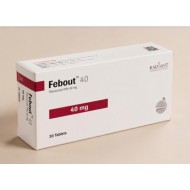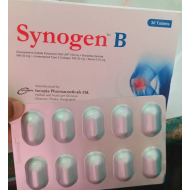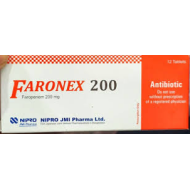
- Stock: Out Of Stock
- Brand: Square Pharmaceuticals
- Product ID: Glibenclamide
Available Options
🔒 100% Secure Payment | bKash | Nagad | SSLCommerz | COD
⭐ Become a FREE Member: 7% Extra Savings • Free Delivery • Refill Reminders • Priority Support
This Item is for pre order
| Generic Name | Glibenclamide |
| Strength | 5 mg |
| Dosage Form | Tablet |
| Manufacturer | Square Pharmaceuticals PLC |
| Therapeutic Class | Sulfonylurea Antidiabetic Agent |
| Pack Size | Each box contains tablets in blister strips |
Overview
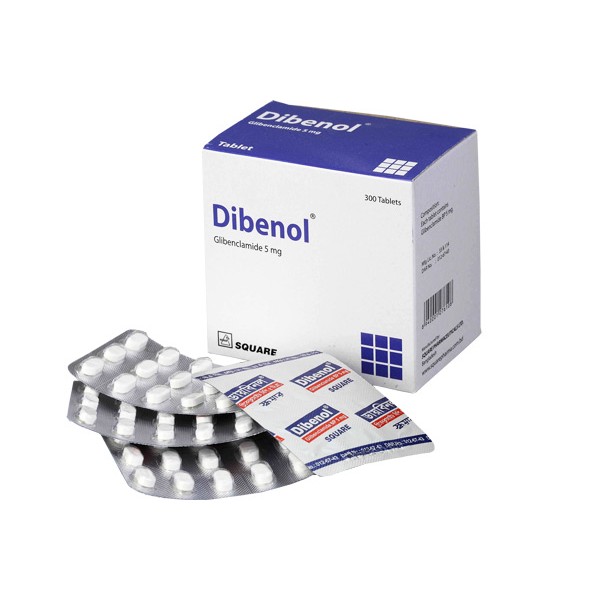
Dibenol 5 mg Tablet contains Glibenclamide (Glyburide), a second-generation sulfonylurea antidiabetic agent manufactured by Square Pharmaceuticals PLC. It stimulates pancreatic beta cells to release insulin and is used in the management of type 2 diabetes mellitus as monotherapy or in combination with other antidiabetic agents when diet and exercise alone are insufficient.
Dosage and Administration
Adults: initially 2.5–5 mg once daily with breakfast; adjust by 2.5 mg increments at weekly intervals up to a maximum of 15–20 mg/day in divided doses, as prescribed.
Interaction
Hypoglycaemia risk increased with other antidiabetics, alcohol, NSAIDs, sulfonamides, fibrates, and fluconazole. Rifampicin and barbiturates may reduce efficacy. May enhance warfarin effect.
Contraindications
Contraindicated in type 1 diabetes, diabetic ketoacidosis, severe renal/hepatic impairment, porphyria, hypersensitivity to sulfonylureas, and during pregnancy.
Side Effects
Hypoglycaemia is the most significant adverse effect — particularly in elderly patients and those with irregular meals. Weight gain, GI disturbances, and rarely haematological reactions.
Pregnancy and Lactation
Contraindicated in pregnancy — risk of prolonged neonatal hypoglycaemia. Insulin is preferred in gestational and pre-gestational diabetes. Not recommended during breastfeeding.
Precautions and Warnings
Monitor blood glucose regularly. Educate patients on recognising and treating hypoglycaemia. Use with caution in elderly patients, those with renal impairment, and those with irregular eating patterns.
Storage Conditions
Store below 30°C in a cool, dry place away from direct sunlight.
Frequently Asked Questions
Why is glibenclamide particularly associated with hypoglycaemia?
Glibenclamide has a relatively long duration of action and active metabolites that accumulate in renal impairment, making prolonged and unpredictable hypoglycaemia more likely than with shorter-acting sulfonylureas.
Is glibenclamide still commonly used for type 2 diabetes?
While effective, glibenclamide has been largely replaced by newer agents (metformin, DPP-4 inhibitors, SGLT-2 inhibitors) in many guidelines due to its hypoglycaemia risk; it remains available where cost-effectiveness is a priority.
This content is for informational purposes only and does not substitute professional medical advice. Please consult a registered physician before taking any medication.